
The Theory of Moral Sentiments
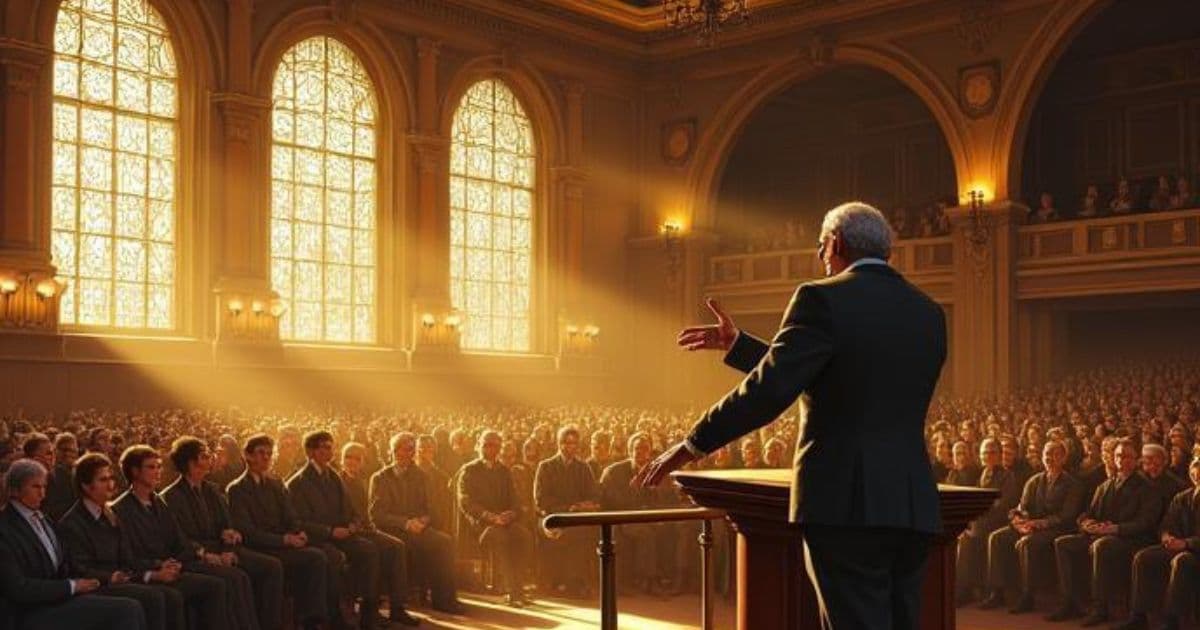
Adam Smith
0:00 / 0:00
Though our brother is upon the rack, as long as we ourselves are at our ease, our senses will never inform us of what he suffers. That is the first move. We flinch at a stroke aimed at someone else's arm. We twist our own bodies watching a slack-rope dancer, as if our balance could keep him up. Imagination is doing the work the senses cannot. Adam Smith published The Theory of Moral Sentiments in 1759, seventeen years before The Wealth of Nations, and spent the rest of his life revising it through six editions. He told friends this was the more important book. The argument is that moral life does not start with a rule. It starts with an act of placing yourself in a case that is not yours.
The spectator is whoever tries to feel a situation he cannot inhabit. The person principally concerned is the sufferer or the agent whose passion we are asked to enter. The impartial spectator is the imagined fair witness we slowly install as conscience: a judge who knows our motives and will not take our side because we asked. The rich man collects our sympathy without earning it. The poor man stands in a crowd and remains as obscure as if he were shut in his hovel. The poor man's son spends a life toiling for palaces and retinues, then finds in old age that wealth is an enormous machine no better than a tweezer-case. The pressure among them is not a debate about whether we are selfish. It is whether the same imagination that flinches at a stranger's pain will keep flinching when the stranger is poor, or when our own interest is on the table.
Chapter 1 names sympathy as fellow-feeling with any passion, not pity, and insists it arises from the situation more than from the face. We approve feelings that match what we imagine we would feel, and we lower our own grief or anger to a pitch another person can enter. That trained spectator turns inward. We divide ourselves into two persons and pass sentence on the one who acted. The hinge is the corruption Smith will not soften. Because we enter joy more easily than misery, we parade riches, hide poverty, and learn to admire rank as if it were virtue. Justice, which may be extracted by force, is the pillar that keeps a society standing even among merchants who feel no love. Beneficence cannot be extorted; its absence disappoints, but it does not dissolve the house. Fortune then bends desert. We curse the stone that hurts us, praise the friend whose request succeeded, and punish the crime that landed while the same intention, failing, looks lighter. Nature, Smith says, planted that irregularity so courts would not become inquisitions of wishes.
Smith is not writing a preface to markets, and he is not writing a sermon against wanting things. He is writing a moral psychology for a commercial society that will later get an economics. Later chapters keep adding how utility charms the eye: we rearrange chairs for an order we could ignore, buy a precise watch while remaining unpunctual, and chase a machine of wealth whose beauty we confuse with happiness. The ending does not crown a theory of the moral sense. It tests other systems, including Hutcheson's, and leaves the work of judgment with sympathy refined by an impartial spectator, not with a special faculty that sees virtue the way the eye sees color.
Sympathy that can inhabit a brother's rack is Developing Moral Imagination, then the slack rope, then the blush we feel for a man who feels none. Distinguishing Self-Interest from Selfishness is the claim that every man is first recommended to his own care, set beside the miser and the cheat who use the same language. Cultivating the Impartial Spectator is the split into two persons, the remorse that arrives when nobody saw, and the general rules that hold when passion wants an exception. Recognizing Moral Corruption by Wealth is the poor man unheeded in a crowd, the toil whose end is a neighbor's admiration, and the worship of rank Smith calls the most universal cause of corrupted sentiment. Separating Justice from Beneficence is the pillar and the ornament: a society of merchants can stand without kindness and cannot stand once they start injuring one another. Holding Intentions Against Outcomes is the plank that saved a sailor, the office the friend failed to get, and the warning that if we punished wishes as we punish deeds, innocence would have no safety.
A crowd at a slack rope still twists to keep a stranger up. A poor man's son still spends a life buying a machine that will not rest. Wide Reads keeps summaries, quotes, and audio on all thirty-nine chapters, from a brother on the rack our senses cannot reach to a tweezer-case that turns out to have been enough.
Lessons from The Theory of Moral Sentiments
Theme-by-theme chapter breakdowns of the essential skills in this classic work.
Lessons from The Theory of Moral Sentiments
Theme-by-theme chapter breakdowns of the essential skills in this classic work.Developing Moral Imagination
Stand at the rack in chapter 1, then at the slack rope, and watch imagination do what the senses refuse.
Empathy is imaginative projection. Before you judge someone's reaction, ask what you would feel in their exact circumstances, not what you feel…
Distinguishing Self-Interest from Selfishness
Hear that every man is first recommended to his own care, then watch the miser and the cheat use the same sentence.
Prudent self-care is a virtue Smith endorses. The moral failure is not pursuing your interests but pursuing them without regard for how…
Deep dives
Chapter-by-chapter breakdowns
Cultivating the Impartial Spectator
Divide yourself into two persons in chapter 26, and let the one who did not act pass sentence.
Before you call an act right or wrong, you are already imagining a spectator in the room. Conscience grows when that witness…
Recognizing Moral Corruption by Wealth
Watch the poor man go unheeded in a crowd, then the toil whose only end is a neighbor's admiration.
Celebrity and wealth trigger automatic sympathy. Smith warns that admiration for the successful can outrun judgment of their merit.
Separating Justice from Beneficence
Set the pillar beside the ornament: merchants may live without love, and cannot live once they start injuring one another.
Justice needs a passion that looks ugly up close. The remote use of resentment does not sweeten its present face.
Holding Intentions Against Outcomes
Stay with the stone we curse, the office the friend failed to get, and the court that must not become an inquisition of wishes.
Before you argue about fairness, Smith says you are already moved by what gratitude and resentment pick out as their objects.
Table of Contents
How We Feel Each Other's Pain
Smith argues that even the most selfish human beings are moved by sympathy: a fellow-feeling for oth...
Why We Need Others to Feel With Us
Smith's claim is that mutual sympathy is one of the deepest pleasures in social life and its absence...
How We Judge Others' Feelings
Smith defines moral propriety through concord between a person's original passion and the spectator'...
The Art of Emotional Harmony
Smith distinguishes two arenas of judgment. For impersonal objects such as beauty, mathematics, poet...
Two Types of Virtue
Smith grounds virtue in two reciprocal efforts already described: the spectator's attempt to enter a...
When Your Body Betrays Your Image
Smith opens with a rule of decorum: strong passions born of the body's state should not be displayed...
Why We Can't Connect with Love
Smith examines passions rooted in a peculiar turn of imagination, especially romantic love between t...
When Anger Serves Justice
Hatred and resentment, Smith argues, are imagination-born passions that must be reduced far below th...
The Social Passions That Draw Us Together
Smith contrasts the divided sympathy that mars hatred and resentment with the redoubled sympathy tha...
The Social Cost of Success
Smith identifies a third family of passions between the social and unsocial: grief and joy about our...
Why We Feel Others' Pain More Than Their Joy
Smith analyzes an asymmetry in sympathy that shapes how we read each other's fortunes. Though the wo...
Why We Chase Status and Fear Obscurity
Smith locates the origin of ambition in sympathy's unequal pull toward joy and sorrow. Because obser...
The Stoic Way of Life
Smith opens his examination of Stoicism by questioning why mankind overrates some conditions of life...
The Emotional Logic of Justice
Smith links desert directly to the passions that move us to benefit or harm others. Whatever appears...
When Justice Feels Right to Everyone
Smith defines the proper objects of gratitude and resentment as those which an impartial spectator c...
Common Questions About The Theory of Moral Sentiments
Trending search questions mapped to the six lessons in this treatise—what readers actually ask Google about sympathy, the impartial spectator, self-interest, justice, wealth, and Smith's moral psychology before economics.
What is The Theory of Moral Sentiments about?
Smith opens with a brother on the rack our senses cannot reach: imagination places us in his case and produces a weaker echo of his pain. Published in 1759, seventeen years before The Wealth of Nations, the book asks how we approve feelings, judge motives, and install an impartial spectator as conscience. It is moral psychology for a commercial society, not a sermon against wanting things.
Explore Developing Moral ImaginationWhat is the impartial spectator in Adam Smith?
The imagined fair witness we slowly train inside ourselves: a judge who knows our motives and will not take our side because we asked. Smith has us divide into two persons and pass sentence on the one who acted, even when nobody saw. Chapter 26 names the inner judge that general rules consult when passion wants an exception.
Explore Cultivating the Impartial SpectatorWhat is sympathy according to Adam Smith?
Fellow-feeling with any passion, not pity alone. Because our senses never carry us into another body, sympathy works by changing places in fancy: we shrink at a stroke aimed at someone else's arm and writhe with a slack-rope dancer as if our balance could keep him up. Smith insists sympathy arises more from grasping the situation than from reading a face.
Explore Developing Moral ImaginationWas Adam Smith selfish?
Smith says every man is first recommended to his own care, which is not the same as the miser or cheat who quote the same sentence. Chapter 1 already claims even the greatest ruffian feels something for another's misery. The book's pressure is whether imagination keeps entering a poor man's case once rank and interest are on the table.
Explore Distinguishing Self-Interest from SelfishnessWhat is justice in The Theory of Moral Sentiments?
The pillar a society can extract by force: injury creates a claim, beneficence does not. Merchants who feel no love for one another can still stand in a market until they start injuring one another. Smith separates the ornament kindness would add from the rule without which the house falls, then tests how fortune bends desert when we curse the stone that hurt us.
Explore Separating Justice from BeneficenceWhat life lessons does The Theory of Moral Sentiments teach?
Six lessons run through the treatise: develop moral imagination by inhabiting another's case before you judge; distinguish self-interest from selfishness; cultivate the impartial spectator as conscience; recognise how wealth and rank corrupt sympathy; separate justice from beneficence when a society must stand; and hold intentions against outcomes without turning courts into inquisitions of wishes. Those skills, not the invisible hand alone, are why Smith still answers modern searches.
About Adam Smith
Published 1759
Adam Smith (1723-1790) was born in Kirkcaldy on the Firth of Forth and educated at Glasgow and Oxford. He became professor of moral philosophy at Glasgow, where his lectures on ethics, jurisprudence, and political economy drew students from across Europe. He published The Theory of Moral Sentiments in 1759 and spent the rest of his life revising it through six editions, insisting to friends that it remained his more important book.
Smith traveled as tutor to the young Duke of Buccleuch, met the Physiocrats in France, and returned to Scotland as a customs commissioner with firsthand knowledge of how commerce and character interact. The Wealth of Nations (1776) applied his moral psychology to markets, labor, and trade, but he never treated economics as separate from conscience.
The Theory of Moral Sentiments gave the Enlightenment its most precise account of sympathy, approval, and self-deception. Smith showed how we judge others, how we learn to judge ourselves, and how admiration for wealth can warp both processes. Knighted in 1787, he died in Edinburgh three years later. Modern readers who know only the invisible hand miss the mind that made markets intelligible in the first place.
Why Adam Smith Matters Today
Smith speaks to the moment when a market explanation is asked to do the work of conscience: the colleague whose pain you register only after the meeting ends, the policy that rewards visible success while the poor case stays invisible in a crowd, the self-help line that mistakes self-interest for selfishness and calls both virtue. His answer is not a rulebook. It is sympathy refined by an imagined witness who knows your motives.
What makes him indispensable is that he wrote the psychology before the economics. Professor of moral philosophy at Glasgow, tutor on the Continent, customs commissioner who watched commerce and character interact, Smith published The Theory of Moral Sentiments in 1759 and spent the rest of his life revising it through six editions while insisting it remained his more important book. The brother on the rack, the slack-rope dancer, the poor man's son chasing a machine of wealth, and the inner judge who passes sentence when nobody saw are not ornaments on a treatise about trade. They are the mind that made markets intelligible.
Economics textbooks are often mistaken for the whole Smith. The Theory of Moral Sentiments is the correction. He separates justice from beneficence, shows how rank bends sympathy, and refuses to punish wishes as if they were deeds. Readers still search the impartial spectator, sympathy, and whether Smith was selfish because the skills are modern: inhabit another case before you judge, install a conscience that will not take your side, and notice when wealth is admired as if it were virtue.
More by Adam Smith in Our Library

Wide Reads is different.
Plot, characters, and themes — plus audio, source text, and patterns you can use after class
Two ways in
Read & listen to the summary
Chapter by chapter, with audio. The meaning arrives because you experienced it — not because someone listed bullet points.
Start with this.
Read the original text
The actual words the author wrote, alongside every summary. Use the guide, then step into the source.
Then step into the source.
Either way, the door opens inward.
— and most of all, Why does this matter?
Get the Full Book
Purchase the complete book to access all chapters and support classic literature

Available in paperback, hardcover, and e-book formats
You Might Also Like



Free to read • No account required