
The Iron Heel
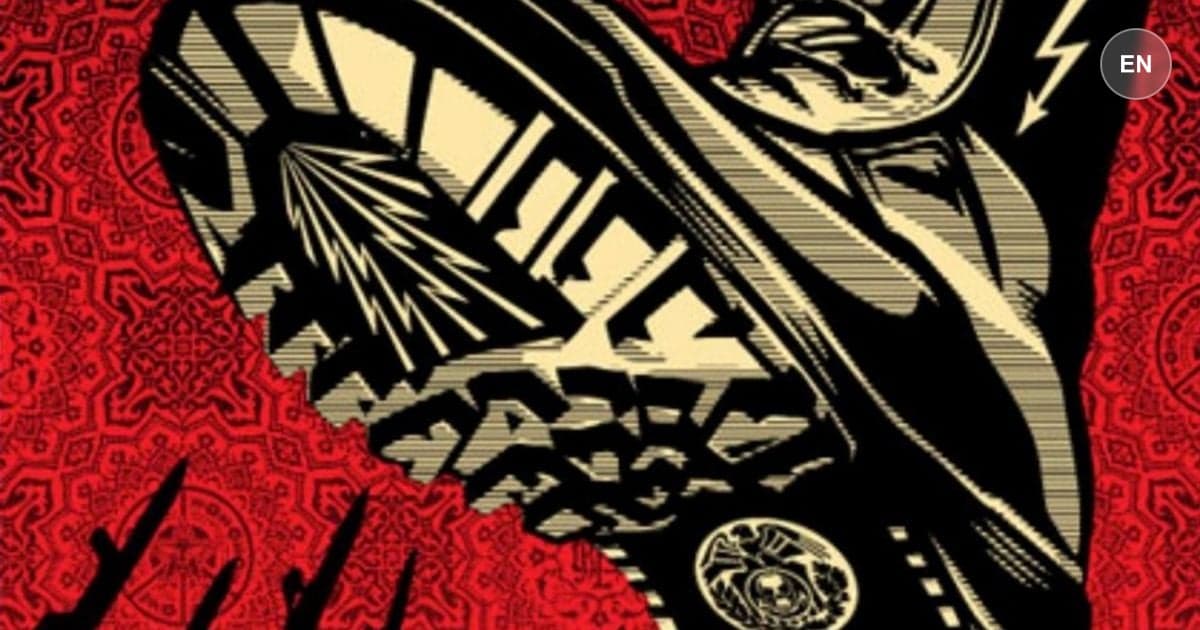
Jack London
0:00 / 0:00
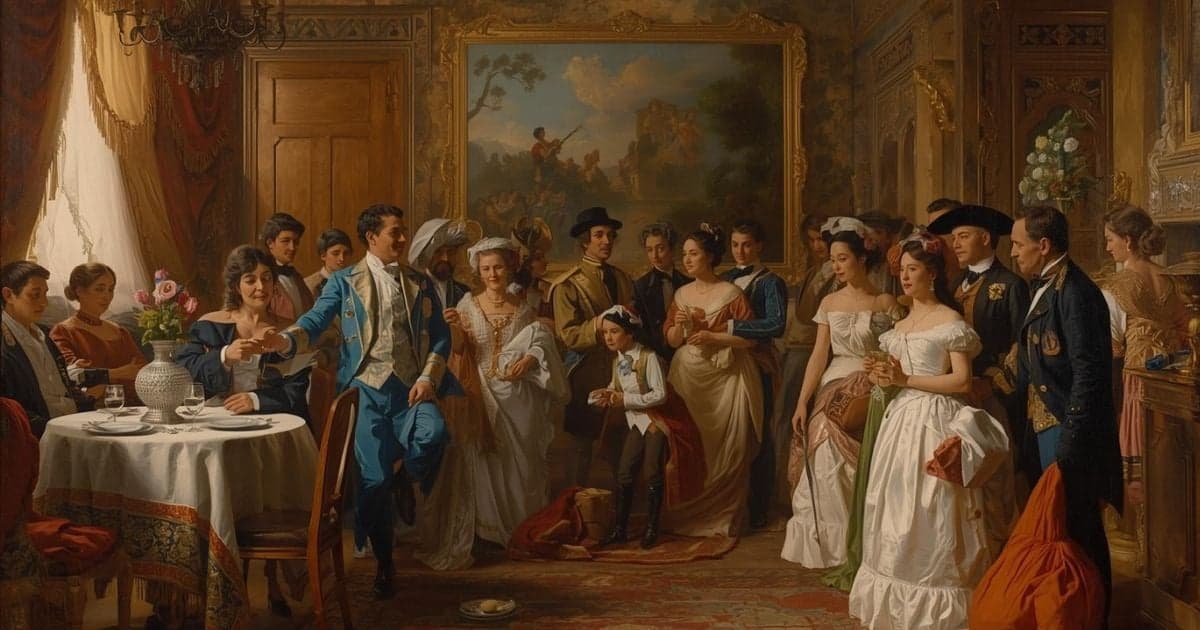
Ernest Everhard walks into a Berkeley dining room of ministers and tells them they do not live in the world they describe. They reason from subjectivity. Workers live inside facts. Avis Cunningham, the professor's daughter at the table, watches her class get taken apart over the soup. London published the novel in 1908. The man who names the oligarchy first will still be executed in secret, and the woman who loved him will bury the memoir in a hollow tree for a later century to find.
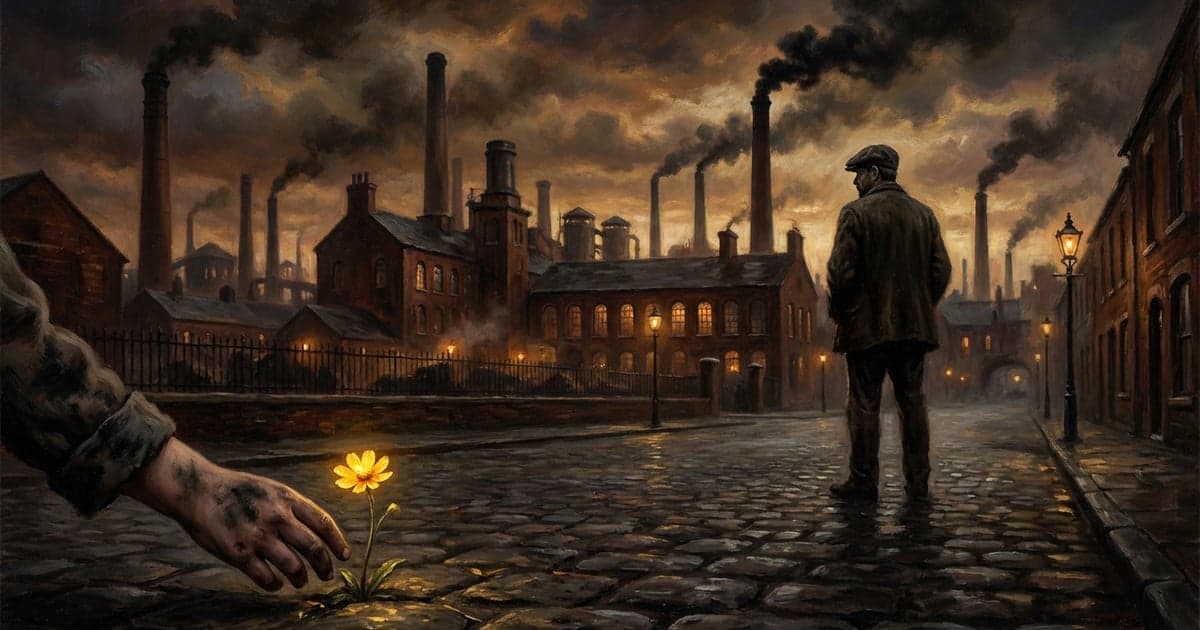
Avis is the narrator: privileged, newly awake, writing from Wake Robin Lodge after Ernest's death, with footnotes from Anthony Meredith seven hundred years later that keep reminding you the First Revolt failed. Ernest is the socialist they call a bear, a working-class guest who treats metaphysics as evasion and statistics as a moral demand. Dr. John Cunningham is the scientist father who publishes the truth about education and loses the university, the dividends, and the life he thought reason would protect. Bishop Morehouse is the clergyman who sees the city at night and cannot stay respectable. Mr. Wickson is the oligarch who stops pretending and says the quiet part: we will grind you under our heel. Jackson is the mill worker whose crushed arm starts Avis's education. The small capitalists at the Machine Breakers dinner still defend the system that is eating them. The favored unions are bought into a labor aristocracy. The people of the abyss in Chicago rise and are slaughtered. The only opponent who never leaves the page is the claim that elections, pulpits, and newspapers still belong to the people who vote, pray, and read.
Chapter 1 opens after the execution and then returns to the dinner, where a prize is still taken, and it is Avis's innocence. Chapters 3 and 4 send her to Jackson's house by the marsh, then to every official who will not pay for the arm. Chapter 5 is the Philomath Club, where Ernest tells the richest men in America they have made a shambles of civilization, and Wickson answers with the heel. Chapters 7 and 12 follow Morehouse from vision to sanitarium to laborer's clothes. Chapter 9 is the mathematics of a dream: small capitalists must pass away, then the trusts, then the workers under them if the math is not broken. Chapter 10 takes Cunningham's book, damages the plates, and forces a resignation the papers call a gift to science. Chapters 14 and 15 buy the strongest unions and leave the rest to be ground out. Chapter 17 is the scarlet livery in Congress and the trap sprung on the socialist landslide. Chapters 22 through 24 are Chicago: the planned revolt used as bait, the abyss in the streets, Avis waking in ruins. Chapter 25 is the Cause in pieces, terrorists filling the gap, and a manuscript that will not be read in time.
London never treats the oligarchy as a cartoon villain you can vote out next Tuesday, or Ernest as a prophet the century will reward, or Avis's conversion as a cute class romance. He writes the book in 1908, before the wars and the fascisms later readers keep matching to his pages, and he refuses the cheap ending. The First Revolt fails. Ernest is captured and killed offstage. The Brotherhood of Man arrives only in Meredith's footnotes, centuries later. What remains is not a sermon that revolution is good. It is a picture of how concentrated capital captures the university, the pulpit, the press, and the union hall, and how a woman who started the book defending her class learns to live as someone else because the old name would get her killed.
The dinner is the first pressure. Recognizing Power Structures is that Berkeley table, the Philomath Club, and the damaged plates of Cunningham's book: who rules when the ballot still looks intact. Speaking Truth to Power is Ernest's facts over the soup, Morehouse's sermon that sends him to a sanitarium, and the scarlet-livery speech in Congress. Long-Term Thinking is chapter 9's mathematics, the labor aristocracy bought in chapters 14 and 15, and the Chicago trap measured in decades. Choosing Solidarity Over Comfort is Avis at Jackson's house by the marsh, then in disguise among the ruins. Reading Divide-and-Conquer is the Machine Breakers dinner and the raise that buys one caste and grinds out the rest. Holding Hope After Defeat is the execution in the first paragraph, Avis waking in Chicago, and a memoir buried in a hollow tree for readers who were not yet born.
Wickson says they will grind you under their heel. Avis buries the memoir in a hollow tree. Wide Reads posts summaries, quotes, and audio on all twenty-five chapters, from a crushed arm by the marsh to a Cause in pieces.
Lessons from The Iron Heel
Six lessons from this classic novel.
Lessons from The Iron Heel
Six lessons from this classic novel.Deep dives
Chapter-by-chapter breakdowns
Long-Term Thinking
Watch the mathematics of collapse, the labor aristocracy, and the Chicago trap: plans measured in decades.
Not only is it inevitable that you small capitalists shall pass away, but it is inevitable that the large capitalists, and the…
Choosing Solidarity Over Comfort
Follow Avis from Jackson's house to disguise: a side that will cost her the life she was born to.
There was something in that clarion-call of his that went to my heart.
Table of Contents
My Eagle
Avis Everhard writes from Wake Robin Lodge after Ernest's execution, framing the memoir as both trib...
The Challenge Accepted
After the explosive dinner, Avis finds herself drawn to Ernest despite, or because of, his assault o...
The Machine's Victims Speak
Avis investigates Jackson's workplace accident case and discovers a web of corruption that shakes he...
When Everyone Says No
Avis becomes obsessed with Jackson's case, unable to shake the image of his mangled arm and what it ...
The Bear Confronts the Masters
Ernest speaks at the elite Philomath Club, where the wealthiest and most powerful people gather mont...
Warning Signs and Power Plays
The establishment begins closing ranks against Avis's father and Ernest. University President Wilcox...
When Truth Becomes Madness
Bishop Morehouse has a life-changing moment of clarity while riding through the city at night. He se...
Common Questions About The Iron Heel
Trending search questions mapped to the six lessons in this novel—what readers actually ask Google about the oligarchy, Ernest Everhard, Avis Cunningham, the First Revolt, Chicago, and Jack London's dystopia.
What is The Iron Heel about?
London's 1908 dystopia follows Avis Cunningham, a professor's daughter, as she watches Ernest Everhard name the oligarchy at a Berkeley dinner and then live inside the revolution that fails. The novel opens after Ernest's secret execution and is framed by footnotes from Anthony Meredith seven hundred years later. The First Revolt is crushed in Chicago. Avis buries the memoir in a hollow tree. The book asks who rules when universities, pulpits, presses, and unions still look democratic.
Explore Recognizing Power StructuresWho is Ernest Everhard in The Iron Heel?
A working-class socialist the privileged call a bear, who walks into dining rooms of ministers and oligarchs and treats metaphysics as evasion and statistics as a moral demand. He tells the Philomath Club they have made a shambles of civilization, and Wickson answers with the heel. Ernest wins elections on paper and loses on the ground. He is captured and executed offstage. London refuses to make him a prophet the century rewards on schedule.
Explore Speaking Truth to PowerWhat is the oligarchy in The Iron Heel?
The Iron Heel is London's name for concentrated capital that captures institutions while elections still look intact. Cunningham's book on education is damaged and his resignation is called a gift to science. Favored unions are bought into a labor aristocracy. Congress wears scarlet livery. Wickson stops pretending and says the quiet part: they will grind the workers under their heel. The novel was written in 1908, before the wars readers later matched to its pages.
Explore Recognizing Power StructuresWhat happens in Chicago in The Iron Heel?
Chapters 22 through 24 are the planned revolt used as bait: the people of the abyss rise in the streets and are slaughtered. Avis wakes in ruins. The Cause is in pieces. Terrorists fill the gap Ernest warned against. London does not give the First Revolt a victory lap. Chicago is the price of a trap measured in decades, not a single bad election.
Explore Holding Hope After DefeatIs The Iron Heel based on a true story?
Not a documentary, but London wrote from direct observation. He had worked canneries and coal shovels, reported on the East End in The People of the Abyss, and ran for mayor of Oakland on a socialist ticket. Jackson's crushed arm, the officials who will not pay, and the university that silences Cunningham are fiction built from arguments he was making in speeches while famous for The Call of the Wild.
Explore Choosing Solidarity Over ComfortWhat life lessons does The Iron Heel teach?
Six lessons run through the novel: recognise power structures when ballots and pulpits still look intact; speak truth to power even when the room sends you to a sanitarium; think in decades when oligarchs buy one union caste and grind out the rest; choose solidarity over comfort when the old name would get you killed; read divide-and-conquer in raises that split the working class; and hold hope after defeat without pretending the First Revolt won. Those skills, not a simple dystopia checklist, are why the book still answers modern searches.
About Jack London
Published 1908
Jack London (1876-1916) was born in San Francisco and raised in Oakland poverty. He worked canneries, shoveled coal, sailed as a seaman, and rode freight trains before he ever sat down to write. He educated himself in public libraries, reading Darwin, Marx, and Spencer at night, and turned that reading into a mind that could hold both brutal work and radical hope.
The Call of the Wild and White Fang made him famous and rich. The Iron Heel, The People of the Abyss, and his labor essays showed what he actually believed: that the system which paid him was a choice, and a cruel one. He ran for mayor of Oakland twice on a socialist ticket, gave speeches, and spent the fortune as fast as it arrived.
He died at forty, exhausted and still writing. More than fifty books remain. The gift in this one is refusing a victory lap. He lets the oligarchy win on the page, lets the prophet die offstage, and still leaves a manuscript in a tree for readers who would recognize the night a university, a pulpit, or a union hall quietly changed owners.
Why Jack London Matters Today
Jack London speaks to the moment you can name the system and still lose to it: the university that calls censorship a gift to science, the union raise that buys one caste and grinds out the rest, the election won on paper while the heel is already on the neck. The Iron Heel names concentrated power that keeps the ballot, the pulpit, and the press looking intact long after they have changed owners.
What makes him indispensable is that he wrote this from inside the work, not from a safe distance. He shovelled coal, rode freight trains, educated himself in public libraries reading Darwin and Marx at night, and became famous for animal stories while running for mayor of Oakland on a socialist ticket. The Iron Heel appeared in 1908, before the wars readers later matched to its pages, and he refused the cheap ending: the First Revolt fails, Ernest is executed offstage, and the Brotherhood of Man arrives only in footnotes centuries later.
Few novelists have earned the right to test hope this ruthlessly. London does not let the oligarchy become a cartoon you can vote out next Tuesday, or Ernest become a prophet the century rewards on schedule. He lets Avis learn at Jackson's house by the marsh, bury a memoir in a hollow tree, and still leave readers who were not yet born a map for the night institutions quietly change hands.
Wide Reads is different.
Plot, characters, and themes — plus audio, source text, and patterns you can use after class
Two ways in
Read & listen to the summary
Chapter by chapter, with audio. The meaning arrives because you experienced it — not because someone listed bullet points.
Start with this.
Read the original text
The actual words the author wrote, alongside every summary. Use the guide, then step into the source.
Then step into the source.
Either way, the door opens inward.
— and most of all, Why does this matter?
Get the Full Book
Purchase the complete book to access all chapters and support classic literature

Available in paperback, hardcover, and e-book formats
You Might Also Like

Free to read • No account required