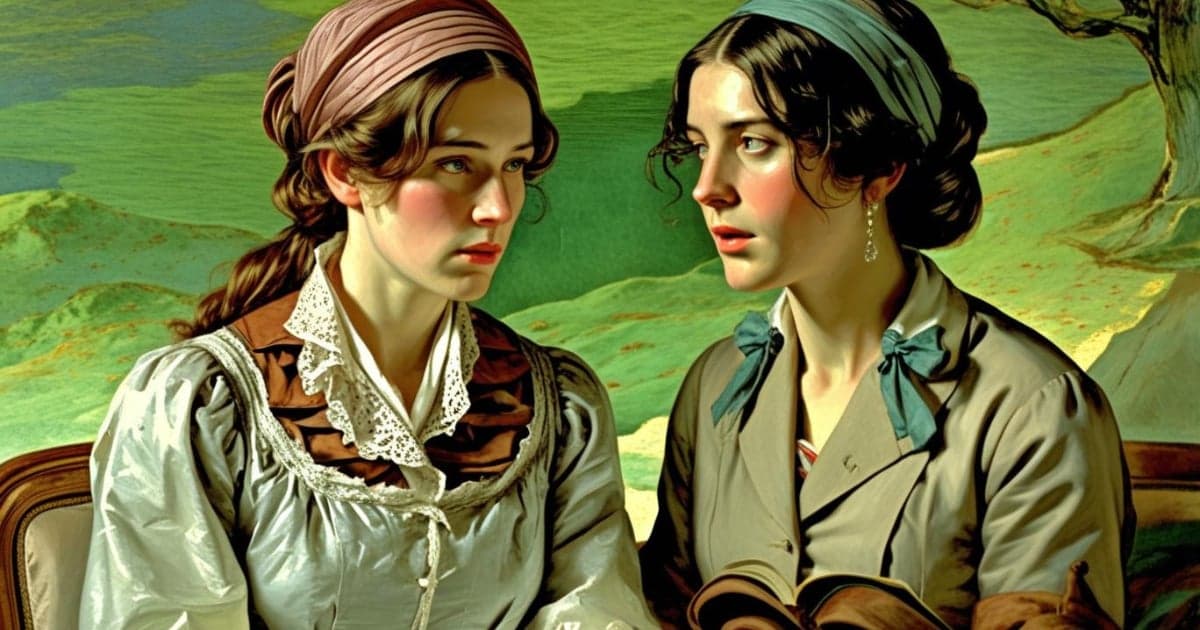
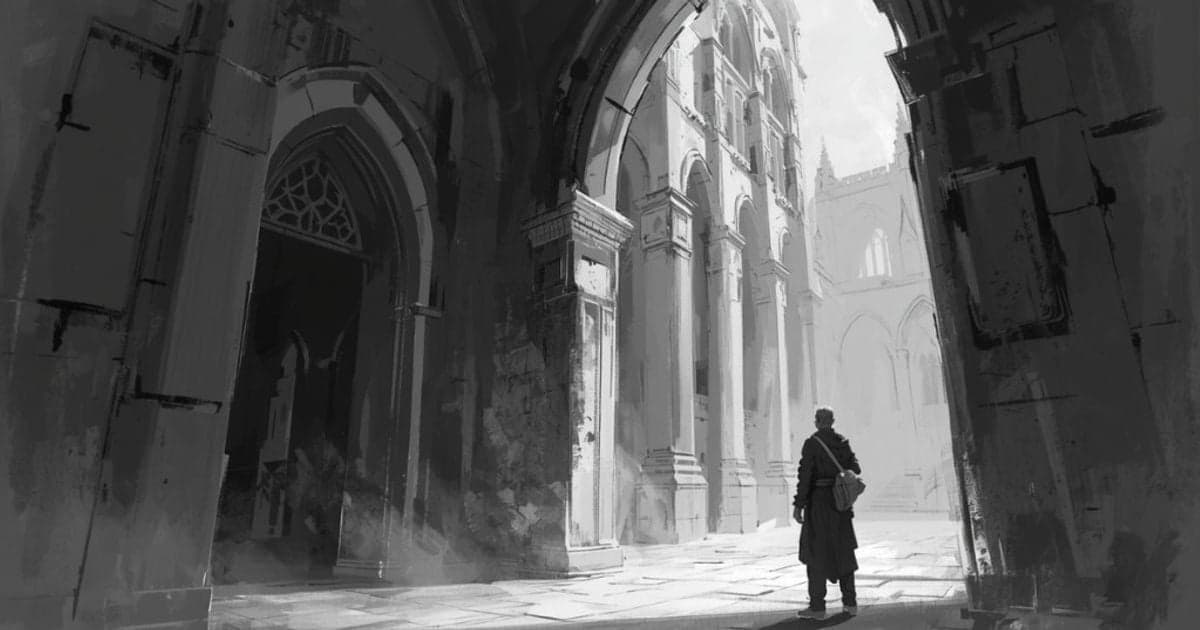
The Mill on the Floss
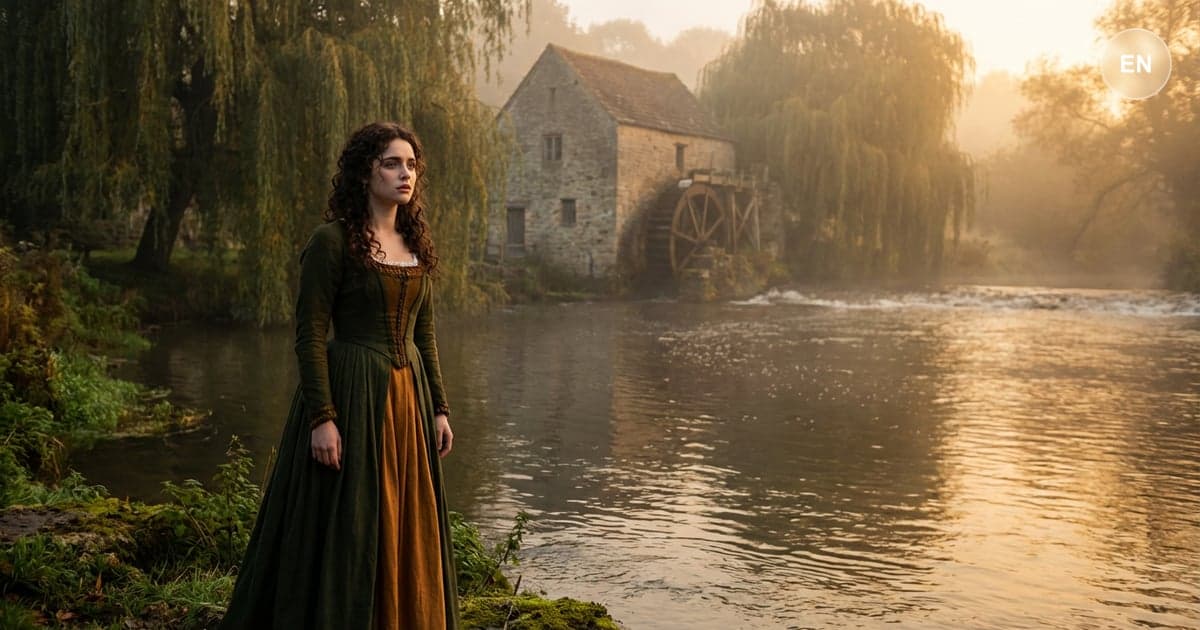
George Eliot
0:000:00
0:00 / 0:00

Prestige · $2.99/month
Chapter audio, theme analysis, and downloads
George Eliot
0:00 / 0:00
Maggie sits in a boat with Stephen Guest after they have already drifted past the landing, and she still believes she can turn the current around. She will row back. St. Ogg's will already have the story, written without asking when she turned. Eliot published the novel in 1860. Dorlcote Mill is already lost by then, and the aunts have already named what a girl like Maggie is allowed to want. The girl who feels too much will be punished not for cruelty but for wanting a life large enough to hold her.
Maggie Tulliver is the miller's daughter: dark-haired, hungry for books, and so unmatched to St. Ogg's that even childhood play becomes a verdict. Tom Tulliver is the practical brother their father prefers, a boy who loves Maggie and trains that love into a code. Mr. Tulliver ruins the household by suing Lawyer Wakem and losing Dorlcote Mill. Philip Wakem, the lawyer's disabled son, is the only person who meets Maggie's mind without asking her to shrink. Lucy Deane is the cousin whose sweetness makes room for Maggie and then pays for it. Stephen Guest is the man promised to Lucy, whose attention arrives like weather Maggie did not invite. The aunts treat linen and respectability as law. The town will rewrite any story once the result looks bad.
Maggie forgets Tom's rabbits and learns that love can be withdrawn like a privilege. She pushes Lucy into the mud, then runs to the gypsies and finds the fantasy will not have her. The lawsuit fails, a bailiff smokes in her father's chair, and childhood closes. In the Red Deeps Philip confesses love and she promises what she cannot later keep. Music at Lucy's house wakes a hunger she thought she had buried. Stephen finds her in a lane and names what they have been performing. They take a boat, miss the stop, and wake to a fact the town can narrate without asking when she turned back. Tom shuts the mill door. Dr. Kenn cannot find her work. The Floss rises, Maggie rows to Tom, and they die together before the town has to change its mind.
Eliot wrote the book out of a Midlands childhood and a mind the nineteenth century had no category for, and she never treats Maggie's intensity as a cute flaw or Tom's honor as a joke you should outgrow. Ruin is not bad luck. Gossip is not comic relief. The sibling bond is not a comfort. What remains is not a sermon against passion. It is a picture of how a girl can be loved and still trained to disappear, and how a community can call that training morality.
The forgotten rabbits are the first pressure. Seeing How Childhood Still Governs You is those rabbits, Lucy pushed into the mud, and the gypsy road that will not have her. Recognizing Systemic Constraint is the mill lost to Wakem, the aunts' linen law, and St. Ogg's eyes already limiting Maggie before she ever chooses wrong. Understanding Loyalty's Cost is Tom converting family survival into a blade and shutting the mill door. Reading Emotional Intelligence is Philip in the Red Deeps, music at Lucy's house, Stephen in the lane, and the interior war more honest than any public story. Choosing Desire Against Duty is the boat that misses the stop, then the morning she refuses Stephen because Lucy and Philip still exist. Reading Public Judgment is the world's wife rewriting that boat: married would have been romance, returned alone is ruin.
A bailiff smokes in her father's chair after the lawsuit fails. Tom shuts the mill door on the sister who came back alone. The Floss rises and they die together before the town has to change its mind. Wide Reads binds summaries, quotes, and audio to all fifty-eight chapters, from forgotten rabbits and a mill wheel remembered in a dream to a flood that takes the mill itself.
George Eliot opens her story not with action or dialogue, but with a dreamy, almost hypnotic tour of...
Mr. Tulliver declares his intention to give his son Tom a proper education, not to make him a miller...
Mr. Tulliver seeks advice from his friend Mr. Riley about finding a school for his son Tom. What unf...
Maggie's morning explodes when she's told she can't go fetch her beloved brother Tom from school. He...
Tom returns from school to his eager family, especially his adoring sister Maggie. What starts as a ...
Mrs. Tulliver prepares for a family gathering, anxious about impressing her well-to-do Dodson sister...
The Dodson sisters arrive for dinner, each representing different approaches to respectability and s...
Mr. Tulliver faces a financial crisis when his sister-in-law threatens to call in a loan, forcing hi...
Maggie's day begins badly and only gets worse. A harsh critique from the hairdresser about her self-...
Maggie's jealousy reaches a boiling point when Tom ignores her to play with their cousin Lucy instea...
Nine-year-old Maggie, hurt by Tom's cruelty, decides to run away and join the gypsies, a fantasy she...
Eliot takes us into the ancient town of St. Ogg's to meet Mr. and Mrs. Glegg, whose marriage runs on...
Mr. Tulliver's pride costs him dearly when he misinterprets his wife's well-meaning attempt to help....
Published 1860
George Eliot was the pen name of Mary Ann Evans (1819-1880), chosen because she knew the Victorian literary world would not take a woman novelist seriously. Born in Warwickshire, she grew up in the rural English Midlands that became the landscape of her fiction. She translated Feuerbach and Spinoza, edited a major intellectual journal, and then produced novels that changed what English fiction could hold.
The Mill on the Floss appeared in 1860, twelve years before Middlemarch. It is the most personal book she wrote: a girl too intelligent and too feeling for the world she was given, told by a woman who had already left that world and still could not stop returning to it. Readers who knew her brother Isaac recognized the sibling bond. Readers who knew her life recognized the cost of refusing to stay small.
Her gift was refusing to flatten anyone into a type. Tom is not a villain. The aunts are not cartoons. Maggie is not a martyr. Evans writes the pressure of a provincial town with the same patience she later brought to Middlemarch, and she never pretends the flood solves the argument. She died in 1880, still the most serious novelist of her century, and still the woman who had to publish under a man's name before anyone would listen.
Eliot speaks to the moment a girl can be loved and still trained to disappear: the brother who forgets nothing except mercy, the town that rewrites a boat from the result, and the linen law that calls itself morality. The Mill on the Floss names that pressure through forgotten rabbits, a landing missed on the river, and a door Tom shuts before the flood makes reconciliation impossible.
Plot, characters, and themes — plus audio, source text, and patterns you can use after class
Two ways in
Chapter by chapter, with audio. The meaning arrives because you experienced it — not because someone listed bullet points.
Start with this.
The actual words the author wrote, alongside every summary. Use the guide, then step into the source.
Then step into the source.
Either way, the door opens inward.
— and most of all, Why does this matter?
Purchase the complete book to access all chapters and support classic literature
Available in paperback, hardcover, and e-book formats
Free to read • No account required

Weekly insights from the classics. Amplify Your Mind.
We focus on public domain classics because these timeless works belong to everyone. No paywalls, no restrictions—just wisdom that has stood the test of centuries, freely accessible to all readers.
Public domain books have shaped humanity's understanding of love, justice, ambition, and the human condition. By amplifying these works, we help preserve and share literature that truly belongs to the world.
© 2026 Wide Reads™. All Rights Reserved.
Intelligence Amplifier™ and Wide Reads™ are proprietary trademarks of Arvin Lioanag.
Copyright Protection: All original content, analyses, discussion questions, pedagogical frameworks, and methodology are protected by U.S. and international copyright law. Unauthorized reproduction, distribution, web scraping, or use for AI training is strictly prohibited. See our Copyright Notice for details.
Disclaimer: The information provided on this website is for general informational and educational purposes only and does not constitute professional, legal, financial, or technical advice. While we strive to ensure accuracy and relevance, we make no warranties regarding completeness, reliability, or suitability. Any reliance on such information is at your own risk. We are not liable for any losses or damages arising from use of this site. By using this site, you agree to these terms.
Deep dives
Stay inside Maggie's war: Philip sees her, Stephen inflames her, and the town never looks.
The need of being loved, the strongest need in poor Maggie's nature, began to wrestle with her pride, and soon threw it.
Hear the world's wife after the boat: married would be romance, returned alone is ruin.
Though, as she often observed, no woman had better clothes, it was not her way to wear her new things out before…
Trending search questions mapped to the six lessons in this novel—what readers actually ask Google about Maggie Tulliver, Tom, Stephen Guest, the boat scene, the flood ending, and George Eliot's most personal book.
Eliot's 1860 novel follows Maggie Tulliver, a miller's daughter too intelligent and too feeling for St. Ogg's. She loves her practical brother Tom, ruins the household by forgetting his rabbits, pushes Lucy into the mud, and grows into a woman the town will not forgive. After a lawsuit costs Dorlcote Mill, a boat with Stephen Guest misses the landing, and Maggie returns alone to a verdict already written. The Floss rises. She rows to Tom, and they die together before the town has to change its mind.
Explore Recognizing Systemic ConstraintTom has shut the mill door on Maggie after she came back alone from the boat with Stephen. Dr. Kenn cannot find her respectable work. The Floss floods. Maggie rows to Tom in the water, and they die together in the boat before St. Ogg's can revise the story. Eliot refuses a reconciliation the town would have to earn. The ending is the most personal in her fiction: the sibling bond that could not survive public judgment, paid in water.
Explore Understanding Loyalty's CostThe dark-haired miller's daughter hungry for books and a life larger than linen law allows. She forgets Tom's rabbits, runs to the gypsies, loves Philip Wakem in the Red Deeps, and wakes a hunger at Lucy's house she thought she had buried. Stephen Guest finds her in a lane. She refuses him in the morning because Lucy and Philip still exist, but the town has already written the boat. Maggie is not a martyr. She is a girl trained to disappear and punished when she will not.
Explore Reading Emotional IntelligenceMaggie and Stephen Guest take a boat after music at Lucy's house. They drift past the landing. She still believes she can turn back. St. Ogg's wakes to a fact the town can narrate without asking when she refused him in the morning. Married would have been romance. Returned alone is ruin. Eliot stages the scene so every reader becomes the world's wife: rewriting motive from the result.
Explore Choosing Desire Against DutyTom converts family honor into a blade. He loved Maggie as a child and trained that love into a code. After the boat, her return alone is worse to St. Ogg's than if she had stayed with Stephen. Tom shuts the mill door because loyalty, in his hands, means the sister must pay for a story the town already finished. Eliot never makes him a villain. She shows how a boy who kept rabbits can become a lock.
Explore Understanding Loyalty's CostSix lessons run through the novel: recognise systemic constraint when the mill, the aunts, and St. Ogg's limit Maggie before she chooses wrong; understand loyalty's cost when Tom shuts the door; read emotional intelligence in Philip, Stephen, and Maggie's interior war; choose desire against duty in the boat and the morning she refuses Stephen; read public judgment in the world's wife after the landing; and see how childhood still governs you in the rabbits, the mud, and the gypsy road. Those skills, not a simple romance plot, are why the book still answers modern searches.
What makes her indispensable here is how personal the book is. She grew up in the Midlands that became St. Ogg's, published as George Eliot because a woman's novel would be priced as amusement, and wrote Maggie out of a mind the nineteenth century had no category for. Readers who knew her brother Isaac recognised the sibling bond. She refuses to let Tom become a villain or Maggie become a martyr. The flood does not solve the argument.
The novel appeared twelve years before Middlemarch and remains the book she could not stop returning to in disguise. Anyone who has watched public judgment arrive before anyone asked when you turned back is reading the same indictment she filed in 1860, ending on water because the town would never have earned a gentler reconciliation.