Free study guide · no paywall
PersuasionStudy Guide
by Jane Austen (1817)
Eight years of silence, a cold reunion, and a letter at the White Hart, mapped across 24 chapters and six lessons.

Start here
Plot, characters & chapter jump
24 chapter summaries · 8 key figures · discussion questions · quotes · free
Plot summary
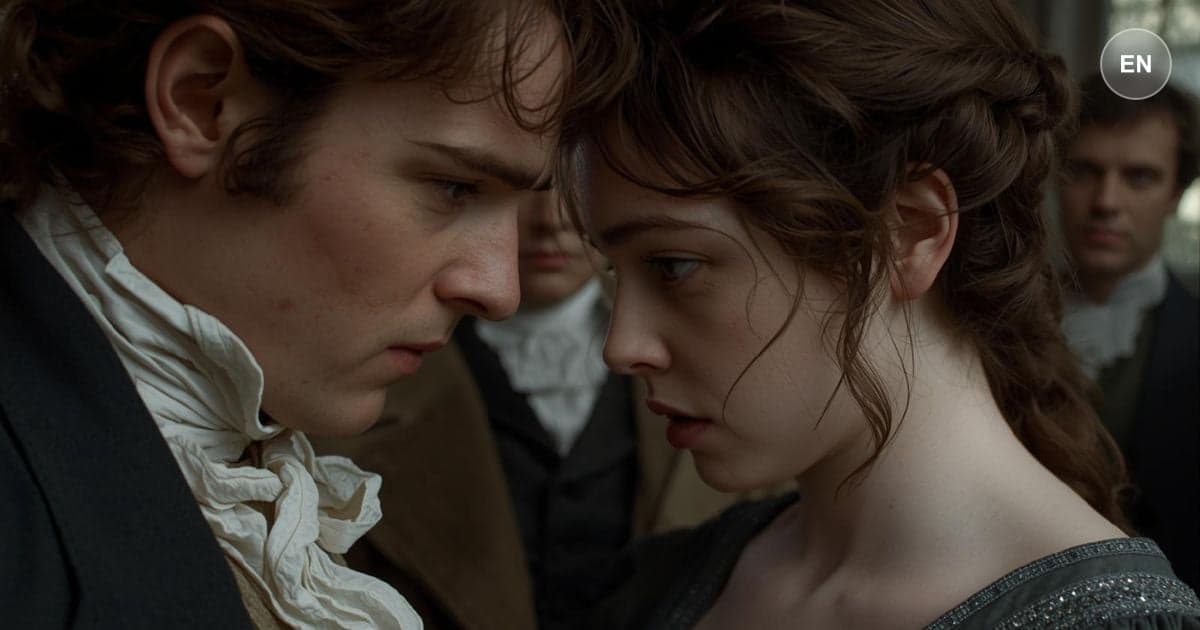
Anne Elliot broke her engagement to Captain Wentworth at nineteen because everyone she trusted called it imprudent. Eight years later he returns wealthy and wounded. Kellynch goes to the Crofts, Louisa falls on the Cobb, Bath brings Mr. Elliot's charm, and the White Hart letter finally names what silence cost: You pierce my soul. I am half agony, half hope.
Key characters
Jump to chapter
What readers search for
Common questions about Persuasion
What is Persuasion about?
Jane Austen's last completed novel: Anne Elliot, twenty-seven, broke her engagement to Captain Wentworth eight years ago because Lady Russell and her family called it imprudent. He returns from the Napoleonic Wars wealthy and wounded. Kellynch Hall goes to the Crofts, Uppercross tests reunion, Louisa falls on the Cobb, Bath brings Mr. Elliot's charm and Mrs. Smith's ledger, and the White Hart letter finally names eight years of silence.
Second Chances and ConstancyWhy did Anne Elliot break her engagement to Wentworth in Persuasion?
At nineteen she loved Wentworth, who had no fortune and no guaranteed career. Lady Russell, standing in for Anne's dead mother, called the match imprudent. Anne yielded to people she trusted. Austen never treats Lady Russell as a fool. The novel is an audit of who caution actually protects: reputation and comfort, not Anne's happiness, and eight years of delay Lady Russell never runs the numbers on.
Distinguishing Prudence from PersuasionWhat does "You pierce my soul" mean in Persuasion?
Wentworth's letter at the White Hart, written while the room is still talking: You pierce my soul. I am half agony, half hope. He overheard Anne argue that women love longest when hope is gone, and jealousy finally cracked the composure he had worn since Kellynch. The line names eight years in one paragraph after a reunion that sounded like indifference.
Second Chances and ConstancyWho is the villain in Persuasion?
No cartoon villain. William Elliot is agreeable, polished, and secretly cruel: heir to the baronetcy who abandoned his first wife and courts Anne for advantage. Lady Russell is respectable caution that cost Anne eight years. Sir Walter is vanity reading the Baronetage while debt swallows Kellynch. Austen's test is whether you can see past performed charm and family pressure without pretending prudence was never real.
Seeing Through Performed CharmDo Anne and Wentworth marry at the end of Persuasion?
Yes. After the White Hart letter, Wentworth returns to Anne in Camden Place and they become engaged. The novel ends with their marriage and a quiet correction: constancy rewarded, but only after Anne reclaims the judgment she surrendered at nineteen and both have learned what eight years of silence cost.
Second Chances and ConstancyFast track
Short on time? Start here
You do not have to read all 24 chapters in one sprint. These 8 beats hold the book's argument together.
Full coverage
Everything in this study guide
The same surfaces readers expect from a traditional study guide — plot, characters, themes, quotes, and homework help — plus audio and the source text on every chapter. Free, no paywall.
Plot overview
Summary, context, and why the book still matters
24 chapter summaries
Every chapter with audio narration
8 key figures
Who drives the plot and what each one does
6 lessons
Themes traced to scenes, not generic labels
15+ important quotes
Verified lines with chapter links and analysis
Discussion questions
Five per chapter, with suggested answers for class and essays
Original text
Author's words beside every summary
This is not a plot cheat sheet. Wide Reads walks Persuasion as Austen's last novel about constancy after prudent counsel goes wrong: Anne at twenty-seven reclaiming a judgment she surrendered at nineteen while Wentworth wears politeness like armour. Use the chapter-by-chapter path below, follow the six lesson deep dives when a scene hooks you, and open individual chapters for summaries, quotes, and audio.
For plot and theme questions about Persuasion, see Common Questions on the book page.
How to use this guide
How to Read This Book with Wide Reads
Start at Kellynch
Read Chapters 1–7 for Sir Walter's vanity, the debt swallowing Kellynch Hall, Lady Russell's caution, and Wentworth's return in Anne's hearing with a verdict she absorbs in silence. You need the broken engagement before Uppercross can test reunion.
Follow Uppercross to Lyme
Chapters 8–12 hold Mary's household, Wentworth charming the Musgrove sisters, and Louisa's jump on the Cobb where Anne, not the horrified onlookers, gives every order that saves her. Chapters 13–16 move toward Bath as social decline and performed rank tighten.
Stay for Bath and the letter
Chapters 17–24 bring Mr. Elliot's agreeableness, Mrs. Smith's ledger, the concert where jealousy cracks Wentworth's composure, and the White Hart letter written while the room is still talking.
Plot & context
Book Overview
Wentworth tells Mary, in Anne's hearing, that she is so altered he should not have known her again. She absorbs the verdict in silence and keeps walking. Bloom is the only currency her family still counts, and she has spent it. Austen finished the book in 1817 and did not live to see it published. The woman everyone treated as furniture will be the only person who can think when a real crisis arrives.
Anne Elliot is twenty-seven, the overlooked middle daughter of a vain baronet, clever enough to see her family's folly and trained to yield when people she trusts speak with confidence. Captain Frederick Wentworth returns from the Napoleonic Wars wealthy, decorated, and polite in exactly the way that proves he has not forgiven her. Sir Walter Elliot reads the Baronetage the way some people refresh their own name, oblivious to the debt swallowing Kellynch Hall. Lady Russell, who stands in for Anne's dead mother, is the respectable caution that talked her out of the engagement and has never quite admitted the cost. William Elliot, heir to the baronetcy, arrives in Bath so agreeable that the whole room leans toward him. Louisa Musgrove wants to prove she is decisive and nearly kills herself doing it. Mrs. Smith, a poor widow Bath has written off, turns out to be the only person who actually knows what Mr. Elliot is.
Eight years earlier Anne broke the engagement because everyone she trusted called it imprudent. At Uppercross she manages Mary's household while Wentworth charms the Musgrove sisters and mentions the year six without his voice faltering. On the Cobb, Louisa jumps a half-second too early, and it is Anne, not the horrified onlookers, who gives every order that saves her. At the Bath concert she speaks to Wentworth first, then watches jealousy crack his composure while she talks to Mr. Elliot. In the White Hart, overhearing her argue that women love longest when hope is gone, he writes the letter that names eight years in one paragraph: You pierce my soul. I am half agony, half hope.
Austen never treats Lady Russell as a fool. Wentworth truly had no money and no guaranteed career at nineteen, and the Elliots truly would have struggled with the match. The novel is not a takedown of caution. It is an audit of who caution actually protects. Lady Russell's prudence guarded reputation and comfort, not Anne's happiness, and she never runs the numbers on eight years of delay. Most of us are not talked out of things by fools. We are talked out of them by people who love us and happen to be wrong.
Read the full summary on the book page →
Why this book now
People still arrive when prudent advice from people who love them costs more than the risk it was meant to prevent, when a cold reunion hides eight years of feeling, or when charm makes a room lean before anyone opens the ledger. Austen does not mock caution. She audits who it protects. This guide keeps Kellynch, the Cobb, Camden Place, and the White Hart tied to second chances and judgment you can still reclaim at twenty-seven.
About Jane Austen
Jane Austen (1775-1817) was born in Steventon, Hampshire, the seventh of eight children in a clerical family that lived on the edge of genteel comfort. She never married, never had an independent income, and depended on male relatives for security while writing six novels that reshaped English fiction. Readers knew the books as by a Lady. Her name did not appear on a title page during her lifetime. Persuasion was her last completed novel, finished in 1817 while her health was failing. She revised it through illness and died at forty-one before seeing it in print. The book is quieter than Pride and Prejudice: more interior, willing to let a heroine suffer in silence while the man she loves misreads her past. Anne Elliot is not witty like Elizabeth Bennet. Her power is perception, patience, and the slow reclaiming of a judgment she once surrendered. Austen understood what it cost to be intelligent in a world that offered women little scope beyond marriage and family performance. Persuasion asks when you should listen to people who love you, when their caution is really fear, and whether a choice made at nineteen can be unmade at twenty-seven without destroying what dignity you have left. The novel has never stopped finding readers who recognize that the most expensive mistakes are often the prudent ones.
Themes with proof
Lessons from Persuasion
Six lesson deep dives — themes with chapter proof, not theme labels alone. Start with the two featured lessons, then explore the full set.
Second Chances and Constancy
Hold a feeling through eight years of silence, a cold reunion, and the letter that finally names it.
They were gradually acquainted, and when acquainted, rapidly and deeply in love.
Distinguishing Prudence from Persuasion
Tell Lady Russell's caution from fear dressed as sense, then refuse the same music when it returns as Mr. Elliot.
She was persuaded to believe the engagement a wrong thing: indiscreet, improper, hardly capable of success, and not deserving it.
Deep dives
Chapter-by-chapter breakdowns
Navigating Social Decline
Watch Kellynch go to the Crofts while Wentworth rises, and carry worth without performing the rank you lost.
Vanity was the beginning and the end of Sir Walter Elliot's character;
Reading Past Performance to Character
See past Sir Walter's mirror and Mr. Elliot's polish to the woman who gives the orders on the Cobb.
Vanity was the beginning and the end of Sir Walter Elliot's character;
Character guide
Key Figures
Who drives the plot, what each one wants, and why they matter to the argument of the book.
Anne Elliot
Twenty-seven, overlooked and perceptive; broke an engagement she still regrets and reclaims her judgment without performing bloom.
Captain Frederick Wentworth
Wealthy, decorated, and polite in exactly the way that proves he has not forgiven her; writes the letter that names eight years.
Lady Russell
Respectable caution that talked Anne out of Wentworth at nineteen and has never quite admitted the cost.
Sir Walter Elliot
Vain baronet who reads the Baronetage while debt swallows Kellynch and bloom is the only currency counted.
William Elliot
Heir to the baronetcy, agreeable in Camden Place, exposed by Mrs. Smith's ledger on what his polish costs.
Mrs. Smith
Poor widow Bath wrote off; the only person who actually knows what Mr. Elliot is.
Louisa Musgrove
Wants to prove she is decisive and nearly kills herself doing it on the Cobb.
Anne
Wide Reads modern thread: a hospital administrator reconnecting with a former love after years of regret.
Memorable lines
Key Quotes
Verified passages with chapter links — the lines teachers and essays keep returning to.
“Vanity was the beginning and the end of Sir Walter Elliot's character;”
“her word had no weight, her convenience was always to give way—she was only Anne.”
“Every emendation of Anne's had been on the side of honesty against importance.”
“Quit Kellynch Hall.”
“The navy, I think, who have done so much for us, have at least an equal claim with any other set of men, for all the comforts and all the privileges which any home can give.”
“The profession has its utility, but I should be sorry to see any friend of mine belonging to it.”
“They were gradually acquainted, and when acquainted, rapidly and deeply in love.”
“She was persuaded to believe the engagement a wrong thing: indiscreet, improper, hardly capable of success, and not deserving it.”
“Then I am sure Anne had better stay, for nobody will want her in Bath.”
“To be claimed as a good, though in an improper style, is at least better than being rejected as no good at all”
“another lesson, in the art of knowing our own nothingness beyond our own circle, was become necessary for her”
“Excepting one short period of her life, she had never, since the age of fourteen, never since the loss of her dear mother, known the happiness of being listened to, or encouraged by any just appreciation or real taste.”
“You, who have not a mother's feelings, are a great deal the properest person.”
“It is over! it is over!”
“Once so much to each other! Now nothing!”
Class & essay prep
Discussion Questions
Sample prompts drawn from the chapter guides — each with suggested answers for seminars and written work.
Why does Sir Walter read only the Baronetage, and what does that habit reveal about how he handles distress?
From Chapter 1How does Austen establish Anne's position in the family before the Wentworth backstory fully unfolds?
From Chapter 1Why does Mr Shepherd refuse to raise retrenchment directly with Sir Walter?
From Chapter 2How do Anne's proposed economies differ from Lady Russell's plan?
From Chapter 2Why does Mr Shepherd promote naval officers as tenants despite Sir Walter's prejudices?
From Chapter 3What are Sir Walter's two stated objections to the navy?
From Chapter 3Why does Lady Russell oppose Wentworth more decisively than Sir Walter does?
From Chapter 4How does Anne frame her break with Wentworth at the time, and how has that framing changed by age twenty-seven?
From Chapter 4Why does Anne miss the Crofts' visit to Kellynch yet later regret missing it?
From Chapter 5What makes Elizabeth's remark about Bath especially cruel?
From Chapter 5Why is Anne surprised by how little Uppercross cares about the Elliots' move?
From Chapter 6How does Anne function between the Musgroves and Mary throughout the chapter?
From Chapter 6Why does Mary agree to leave the sick child only after Anne offers to stay?
From Chapter 7What does Anne understand from Wentworth's choosing to breakfast at the Great House instead of the Cottage?
From Chapter 7Why does Anne believe Wentworth must remember the year six when he speaks of it?
From Chapter 8Chapter by chapter
All Chapters
Chapter-by-chapter summaries, quotes, and audio.
Ch. 1 · The Elliots of Kellynch HallSir Walter and the Baronetage
Austen opens with surgical precision, diagnosing Sir Walter Elliot in a single sentence: vanity is the beginning and end of his character. This is not...
Ch. 2 · New Tenants for Kellynch
Fate has a cruel sense of timing. The Elliots must rent Kellynch Hall to escape financial ruin, and their new tenants turn out to be Admiral and Mrs. ...
Ch. 3 · The Meeting at Kellynch
Admiral and Mrs. Croft arrive to finalize the rental of Kellynch Hall, and the contrast couldn't be starker. Sir Walter and Elizabeth perform their ar...
Ch. 4 · Mary's ComplaintsWentworth's return in her hearing
Austen finally reveals what happened eight years ago, and it's devastating in its ordinariness. In the summer of 1806, Frederick Wentworth came to Som...
Ch. 5 · The Musgroves
The practical arrangements of dismantling Kellynch begin. The Crofts finalize the rental, with Admiral Croft and Sir Walter exchanging mutual condesce...
Ch. 6 · Louisa and Henrietta
Anne settles into life at Uppercross and learns an essential truth: move three miles, change your entire world. Everything that consumed Kellynch, Sir...
Ch. 7 · The First Reunion
The moment Anne has been dreading arrives: Captain Wentworth is at Kellynch, visiting the Crofts. He's coming to dine at the Great House. They will me...
Ch. 8 · Wentworth's ColdnessUppercross and Mary's household
Now begins the exquisite torture of forced proximity. Anne and Wentworth are repeatedly in the same circle, dining together, talking in company, exist...
Ch. 9 · The Walk to Winthrop
Wentworth becomes a fixture at Uppercross, drawn by the Musgroves' warm hospitality and the admiration of the young ladies. A romantic triangle emerge...
Ch. 10 · The Nut Gathering
The romantic geometry shifts. Charles Hayter returns and finds himself displaced, Henrietta, who'd been devoted to him, is now caught up in Captain We...
Ch. 11 · The Fall at Lyme
The group impulsively decides to visit Lyme, a seaside town seventeen miles away, where Wentworth's friend Captain Harville is recovering from war wou...
Ch. 12 · Aftermath of the AccidentLouisa on the Cobb
The morning begins with a moment of grace. A stranger on the steps, a gentleman in mourning, looks at Anne with unmistakable admiration. The sea air h...
Ch. 13 · Captain Benwick's Grief
The aftermath of the accident reshapes everything. Anne spends her last two days at Uppercross helping the devastated Musgrove parents prepare to go t...
Ch. 14 · Return from Lyme
Mary and Charles return from Lyme with news. Louisa is recovering slowly but surely, sitting up now, though her nerves remain fragile. The Musgroves a...
Ch. 15 · Mr. Elliot Appears
Anne arrives in Bath with a "sinking heart," anticipating "an imprisonment of many months." Her father and sister greet her with unexpected warmth, no...
Ch. 16 · Bath Society
Mr. Elliot calls late on Anne's first evening, his first meeting with her since Lyme, and he's delighted to discover that the beautiful woman who caug...
Ch. 17 · Lady Russell's Approval
While her father and sister chase aristocratic connections, Anne pursues a different kind of relationship: she reconnects with Mrs. Smith, a former sc...
Ch. 18 · Mrs. Smith's StoryMr. Elliot in Bath
Lady Russell continues promoting Mr. Elliot as Anne's ideal match, painting an irresistible picture: Anne could become Lady Elliot, mistress of Kellyn...
Ch. 19 · Mr. Elliot Exposed
The Crofts arrive in Bath, and with them comes news: Admiral Croft reveals that Wentworth is free, that Louisa is engaged to Benwick, not to him. Went...
Ch. 20 · The ConcertMrs. Smith opens the ledger
The concert. Anne arrives early and sees Wentworth alone. She speaks to him first, a small but significant act of courage. They talk, and gradually so...
Ch. 21 · Wentworth's Jealousy
Anne visits Mrs. Smith the morning after the concert, deliberately avoiding Mr. Elliot. Mrs. Smith reads Anne's face immediately: "Your countenance pe...
Ch. 22 · Captain Harville's Argument
Anne escapes seeing Mr. Elliot in the morning, but he's coming again in the evening. Now that she knows his true character, the calculating selfishnes...
Ch. 23 · The LetterThe White Hart letter
Anne returns to the White Hart the next morning. In the room: Mrs. Musgrove talking with Mrs. Croft, Captain Harville speaking with Wentworth. The con...
Ch. 24 · ResolutionEngagement and quiet correction
They're engaged. Sir Walter makes no objection, Wentworth, with twenty-five thousand pounds and high rank in his profession, "was no longer nobody." E...
Using this guide
Study Guide FAQ
How to use Wide Reads for class, essays, and revision — and how this guide compares to traditional study sites.
Why Wide ReadsWhat makes this different from SparkNotes or CliffsNotes?
Traditional study guides summarise Persuasion chapter by chapter. This guide gives you that coverage: all 24 chapters, eight key figures, and discussion questions with suggested answers. Wide Reads adds Second Chances and Constancy and Distinguishing Prudence from Persuasion traced through named scenes like the Cobb and the White Hart letter. Summaries include audio; the original text sits beside every chapter. Free, no paywall.
Is Persuasion hard to read?
Persuasion is rated intermediate difficulty. Our chapter-by-chapter analysis breaks down complex passages, explains historical context, and highlights key themes to make the text more accessible. Each chapter includes summaries, character analysis, and discussion questions to deepen your understanding.
Can I use this study guide for essays and homework?
Yes — use this reading guide alongside Persuasion, not instead of it. Wide Reads exists to show you why the book still matters: lessons, chapter summaries with audio, and life skills you can carry into real life. That context can sharpen essays on themes, characters, and quotes. Always read Jane Austen's original text, though. We are the guide at the trailhead; the classic is still the point.
Begin at Kellynch
Chapter 1 opens with Sir Walter reading the Baronetage while debt swallows the hall. Each chapter adds summaries, quotes, audio, and the life-skill thread that turns Austen's quietest heroine into a test of judgment you can still reclaim.
Wide Reads is different.
Plot, characters, and themes — plus audio, source text, and patterns you can use after class
Two ways in
Read & listen to the summary
Chapter by chapter, with audio. The meaning arrives because you experienced it — not because someone listed bullet points.
Start with this.
Read the original text
The actual words the author wrote, alongside every summary. Use the guide, then step into the source.
Then step into the source.
Either way, the door opens inward.
— and most of all, Why does this matter?
Continue Exploring
Guides, life skills, and the full library.More ways to read Persuasion: guides, life skills, and the wider library.