Wide Reads
Literature MattersLife IndexEducators
Sign in
Where to Begin

The Nut Gathering — Persuasion

Persuasion - The Nut Gathering

Jane Austen

Persuasion

The Nut Gathering

Home›Books›Persuasion›Chapter 10: The Nut Gathering
Previous
10 of 24
Next

Analysis by the Wide Reads editorial team·Reviewed against the source text·Updated November 29, 2025

Summary

The Nut Gathering

Persuasion by Jane Austen

0:000:00
Listen to Next Chapter

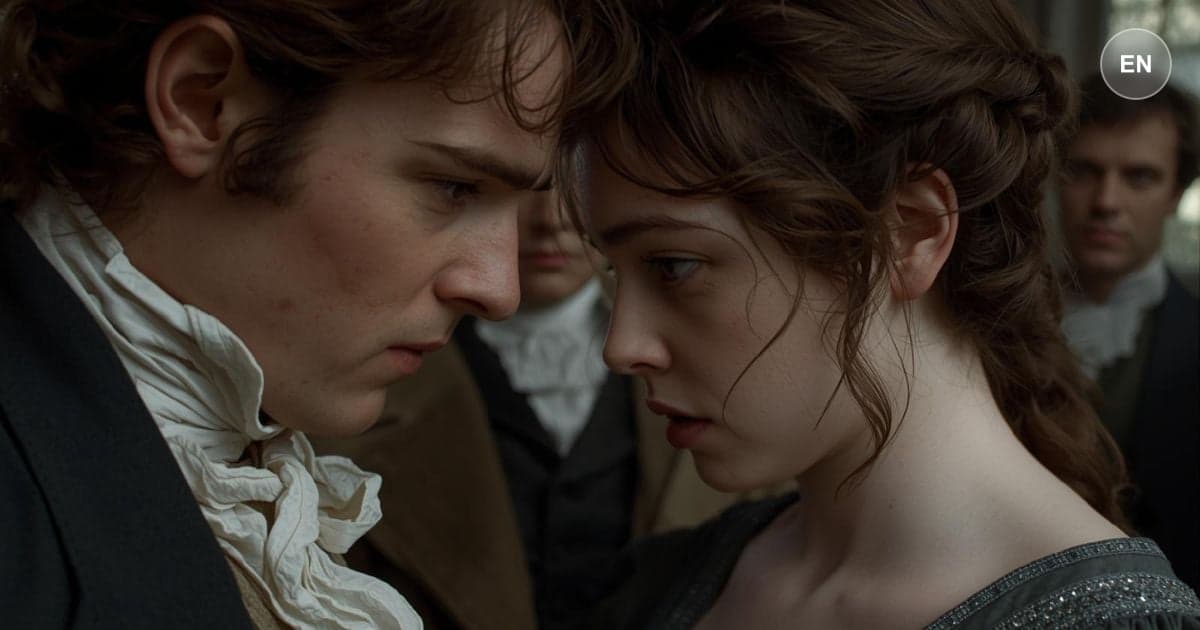
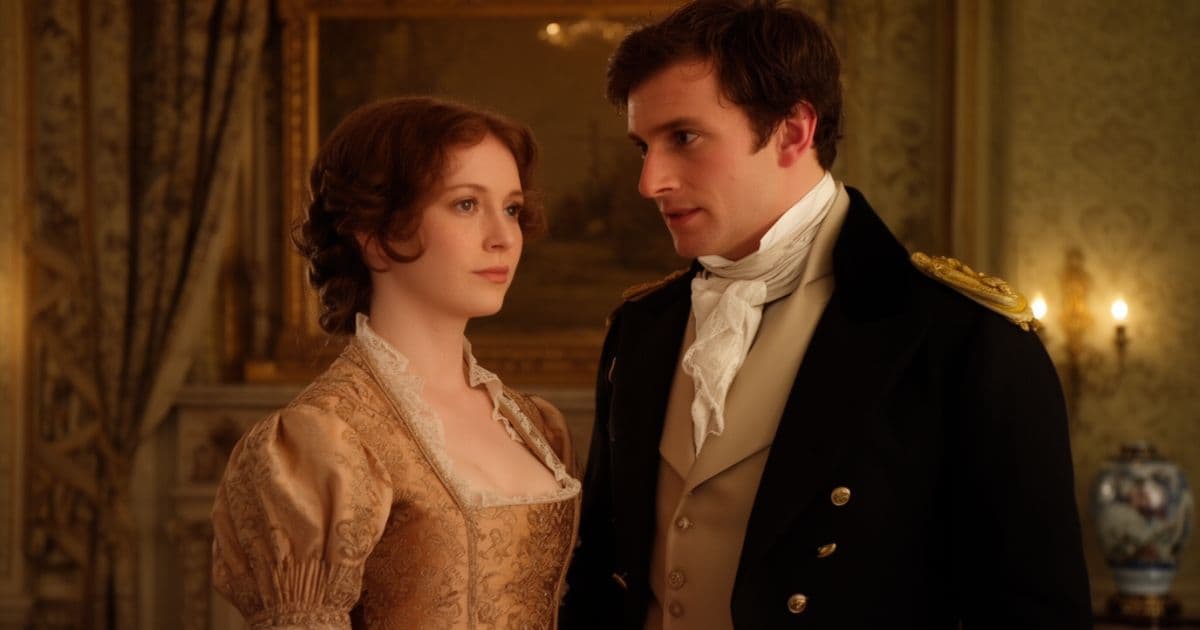
The romantic geometry shifts. Charles Hayter returns and finds himself displaced, Henrietta, who'd been devoted to him, is now caught up in Captain Wentworth's orbit. Wentworth remains at Uppercross, charming everyone, accepting the simultaneous attentions of both Musgrove sisters without choosing between them. A long walk is proposed. The six of them set out together, Anne trying to stay invisible, Wentworth and Louisa increasingly paired, Henrietta wavering between her forgotten understanding with Charles Hayter and her fascination with the charismatic captain. Then comes the conversation Anne was never meant to hear. She sits exhausted on a bank while Louisa and Wentworth walk nearby in the hedgerow. Louisa boasts about persuading Henrietta to visit Winthrop despite Mary's discouragement: "I have no idea of being so easily persuaded. When I have made up my mind, I have made it." Wentworth seizes on this with enthusiasm. He praises Louisa's firmness, her decisiveness, her strength of mind. "It is the worst evil of too yielding and indecisive a character, that no influence over it can be depended on." He picks a perfect hazelnut, holding it up as an example: "blessed with original strength, has outlived all the storms of autumn. Not a puncture, not a weak spot anywhere." His moral is clear: "Let those who would be happy be firm." Every word is a knife in Anne's heart. He's praising Louisa for the exact opposite of what Anne did, for not being persuadable, for having a firm character, for not yielding to others' interference. Then Louisa casually mentions that Anne once refused Charles Musgrove, and that everyone believes Lady Russell persuaded her to do it. Wentworth asks when. Louisa explains. Anne, hidden by a holly bush, hears how Wentworth sees her: weak, too easily persuaded, lacking the firmness he now values above all. Yet when the Admiral and Mrs. Croft offer a ride home, Wentworth wordlessly ensures Anne gets into the carriage. His hands, his will, placing her there. Anne understands: "He could not forgive her, but he could not be unfeeling." He condemns her past, yet still cannot watch her suffer. It's a remainder of former sentiment, or perhaps more.

In this chapter: Terms Characters Key Quotes Themes Modern Story

Why This Matters

Connect literature to life

Skill: Not Internalizing Overheard Verdicts

What you overhear can sound like final judgment because you cannot answer back. Anne listens while Wentworth praises firmness and Louisa repeats the story of Lady Russell's persuasion. Before you adopt someone else's moral lecture as truth, weigh it against what they still do when you need help.

Coming Up in Chapter 11

A letter from Captain Harville sends Wentworth to Lyme, and Louisa insists the whole party go overnight despite November weather. Anne meets grieving Captain Benwick at the Harvilles' cramped lodgings, counsels him toward prose instead of romantic poetry, then catches the irony of preaching resignation while her own heart has not moved in eight years.

Share it with friends

PreviousPrevious ChapterNextNext Chapter
Original text
3,850 wordscomplete

Chapter 10

The Nut Gathering

Other opportunities of making her observations could not fail to occur. Anne had soon been in company with all the four together often enough to have an opinion, though too wise to acknowledge as much at home, where she knew it would have satisfied neither husband nor wife; for while she considered Louisa to be rather the favourite, she could not but think, as far as she might dare to judge from memory and experience, that Captain Wentworth was not in love with either. They were more in love with him; yet there it was not love. It was a…

Public-domain chapter text, formatted for reading.

Master this chapter. Complete your experience

Purchase the complete book to access all chapters and support classic literature

Buy at Powell'sBuy on Amazon

Available in paperback, hardcover, and e-book formats

Now let's explore the literary elements.

Key Quotes & Analysis

"When I have made up my mind, I have made it;"

— Louisa Musgrove

Context: Boasting to Wentworth about persuading Henrietta to visit Winthrop

Louisa performs the firmness Wentworth now claims to admire. The speech is aimed at Anne's deepest wound without knowing she listens.

In Today's Words:

Louisa says once her mind is made up, it stays made. People often praise decisiveness when they mean resistance to influence. When someone celebrates being unpersuadable, ask who paid for that virtue in the past Name the pattern when you notice it in your own relationships and daily choices.

"Let those who would be happy be firm."

— Captain Frederick Wentworth

Context: Praising Louisa while holding up a perfect hazelnut

He turns a country walk into moral theater. The nut becomes a lesson against the woman who once yielded to persuasion.

In Today's Words:

Wentworth tells Louisa that happy people must be firm, using a hazelnut as proof. Moral lectures in flirtation often target someone not in the conversation. If a new admirer praises rigidity, notice who from the past is being punished Name the pattern when you notice it in your own relationships and daily choices.

"It is the worst evil of too yielding and indecisive a character"

— Captain Frederick Wentworth

Context: Explaining why firmness matters in marriage and life

Anne hears her own history reframed as weakness. His praise of Louisa is indirect condemnation of the choice that broke them.

In Today's Words:

He calls yielding character the worst evil because no influence on it can be trusted. That is his verdict on Anne's broken engagement. When someone praises the opposite of your nature, consider whether you are the unstated example Name the pattern when you notice it in your own relationships and daily choices.

"He could not forgive her, but he could not be unfeeling."

— Narrator

Context: After Wentworth puts Anne into the Crofts' carriage

Justice and tenderness split. He condemns her past yet still acts when she is tired, which Anne reads as remnant attachment.

In Today's Words:

Austen says he cannot forgive Anne yet cannot be unfeeling either. People can reject you and still refuse to watch you suffer. Do not treat every act of care as proof the moral verdict has changed Name the pattern when you notice it in your own relationships and daily choices.

Thematic Threads

The Nut Gathering

In This Chapter

Anne experiences recognizing someone's true character

Development

This connects to the broader themes of constancy and second chances

In Your Life:

Consider how constancy, firmness, flexibility appear in your own relationships

You now have the context. Time to form your own thoughts.

Discussion Questions

This is not a test. Five prompts guide you through the chapter, from how it opens to how it closes, so you notice context and rhythm rather than facts to memorize. Sit with each question in your own words. When you see "One way to read it," treat it as a starting point, not the only answer.

  1. 1

    Why does Anne choose to walk with Charles and Mary rather than stay near Wentworth?

    ▶One way to read it

    Her object is not to be in the way. On narrow paths she keeps with her brother and sister instead of the pair she cannot join.

    analysis • surface
  2. 2

    What does Wentworth's hazelnut speech reveal about how he now reads Anne's past?

    ▶One way to read it

    He treats yielding character as fatal weakness. Louisa's firmness is the virtue Anne lacked when she broke their engagement.

    analysis • medium
  3. 3

    Why is Louisa's mention of Lady Russell especially painful for Anne?

    ▶One way to read it

    It repeats the story Anne still debates internally. She hears her private regret narrated as public fact while unable to defend herself.

    application • medium
  4. 4

    How does the carriage moment complicate Anne's understanding of Wentworth?

    ▶One way to read it

    He still sees her fatigue and acts, though he condemns her past. Care and resentment coexist rather than canceling each other.

    analysis • deep
  5. 5

    When have you learned something painful by overhearing rather than being told directly?

    ▶One way to read it

    Overheard words feel final because you cannot clarify them. The skill is pairing them with later behavior before you accept them as the whole story.

    reflection • deep

Critical Thinking Exercise

10 minutes

Understanding The Nut Gathering

Reflect on a situation in your life involving constancy, firmness, flexibility. How did you handle it, and what would you do differently now?

Consider:

  • •How did constancy affect your decisions?
  • •What did you learn from the experience?

Journaling Prompt

Write about how understanding constancy, firmness, flexibility has changed your approach to relationships.

Coming Up Next...

Chapter 11: The Fall at Lyme

A letter from Captain Harville sends Wentworth to Lyme, and Louisa insists the whole party go overnight despite November weather. Anne meets grieving Captain Benwick at the Harvilles' cramped lodgings, counsels him toward prose instead of romantic poetry, then catches the irony of preaching resignation while her own heart has not moved in eight years.

Continue to Chapter 11
Previous
The Walk to Winthrop
Contents
Next
The Fall at Lyme
Keep exploring

Continue Exploring

Study guides, teaching tools, themes, and the full library.More ways to read Persuasion: study guides, teaching tools, and the wider library.

  • Persuasion Study Guide
  • Teaching Resources
  • Essential Life Index
  • Browse by Theme
  • All Books

What this chapter teaches

Theme analyses that draw on this chapter and apply it to modern life.

  • Inner Worth vs. Outer AppearanceExplore inner worth vs outer appearance through Persuasion by Jane Austen. Life lessons from classic literature applied to modern challenges.
  • Second Chances and ConstancyExplore second chances and constancy through Persuasion by Jane Austen. Life lessons from classic literature applied to modern challenges.
Love & RelationshipsSocial Class & StatusIdentity & Self-Discovery

You Might Also Like

Pride and Prejudice cover

Pride and Prejudice

Jane Austen

Also by Jane Austen

Sense and Sensibility cover

Sense and Sensibility

Jane Austen

Also by Jane Austen

Emma cover

Emma

Jane Austen

Also by Jane Austen

Northanger Abbey cover

Northanger Abbey

Jane Austen

Also by Jane Austen

Browse all 106+ books

Share This Chapter

Know someone who'd enjoy this? Spread the wisdom!

TwitterFacebookLinkedInEmail

Go further with Prestige

Unlock study guides and downloads, early access, and exclusive content — and support free access for everyone.

Subscribe to PrestigeCreate free account
Intelligence Amplifier
Intelligence Amplifier™Powering Wide Reads

Exploring human-AI collaboration through books, essays, and philosophical dialogues. Classic literature transformed into navigational maps for modern life.

2025 Books

→ The Amplified Human Spirit→ The Alarming Rise of Stupidity Amplified→ San Francisco: The AI Capital of the World
Visit intelligenceamplifier.org
hello@widereads.com

WideReads Originals

→ You Are Not Lost→ The Last Chapter First→ The Lit of Love→ Wealth and Poverty→ Wisdom for the Wounded
Arvintech
arvintechAmplify your Mind
Visit at arvintech.com

Navigate

  • Home
  • Library
  • Essential Life Index
  • How It Works
  • Subscribe
  • Account
  • About
  • Contact
  • Authors
  • Suggest a Book
  • Landings

Made For You

  • Trending
  • Students
  • Educators
  • Families
  • Readers
  • Literary Analysis
  • Finding Purpose
  • Letting Go
  • Recovering from a Breakup
  • Corruption
  • Gaslighting in the Classics

Newsletter

Weekly insights from the classics. Amplify Your Mind.

Legal

  • Privacy Policy
  • Terms of Service
  • Editorial Standards
  • Cookie Policy
  • Accessibility

Why Public Domain?

We focus on public domain classics because these timeless works belong to everyone. No paywalls, no restrictions—just wisdom that has stood the test of centuries, freely accessible to all readers.

Public domain books have shaped humanity's understanding of love, justice, ambition, and the human condition. By amplifying these works, we help preserve and share literature that truly belongs to the world.

A Pilgrimage

Powell's City of Books

Portland, Oregon

If you ever find yourself in Portland, walk to the corner of Burnside and 10th. The building takes up an entire city block. Inside is over a million books, new and used on the same shelf, organized by color-coded rooms with names like the Rose Room and the Pearl Room. You can lose an afternoon. You can lose a weekend. You will find a book you have been looking for your whole life, and three you did not know existed.

It is a pilgrimage. We cannot find a bookstore like it anywhere on earth. If you read the classics, and you ever get the chance, go. It belongs on every reader's bucket list.

Visit powells.com

We are not in any way affiliated with Powell's. We are just a very big fan.

© 2026 Wide Reads™. All Rights Reserved.

Intelligence Amplifier™ and Wide Reads™ are proprietary trademarks of Arvin Lioanag.

Copyright Protection: All original content, analyses, discussion questions, pedagogical frameworks, and methodology are protected by U.S. and international copyright law. Unauthorized reproduction, distribution, web scraping, or use for AI training is strictly prohibited. See our Copyright Notice for details.

Disclaimer: The information provided on this website is for general informational and educational purposes only and does not constitute professional, legal, financial, or technical advice. While we strive to ensure accuracy and relevance, we make no warranties regarding completeness, reliability, or suitability. Any reliance on such information is at your own risk. We are not liable for any losses or damages arising from use of this site. By using this site, you agree to these terms.