Chapter 24
Resolution
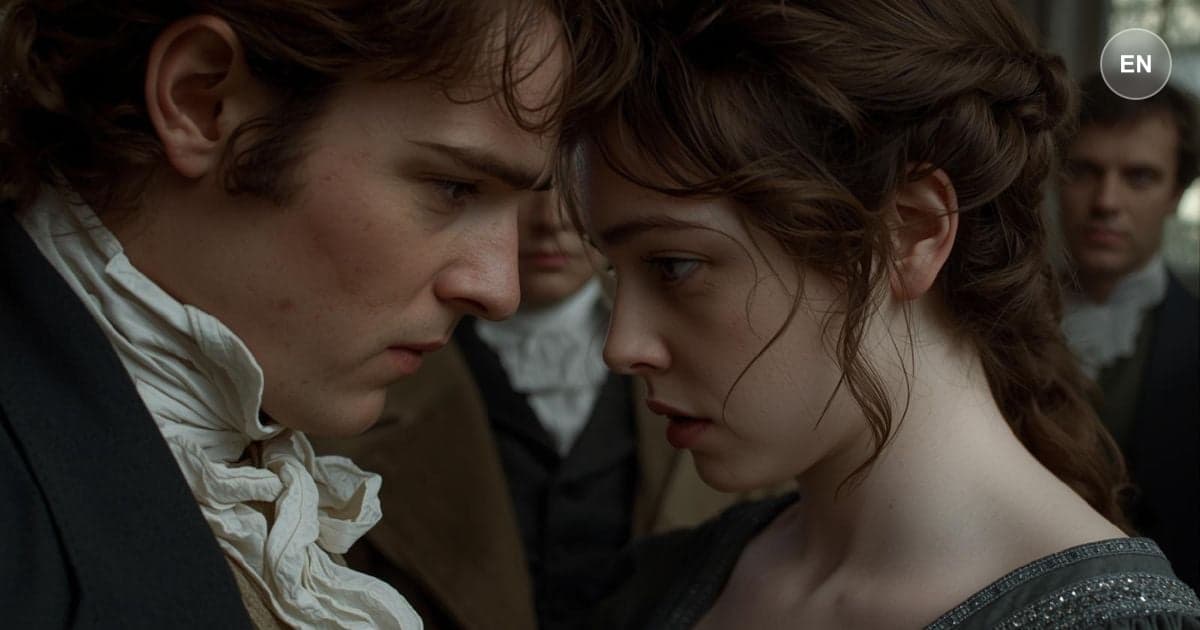
Who can be in doubt of what followed? When any two young people take it into their heads to marry, they are pretty sure by perseverance to carry their point, be they ever so poor, or ever so imprudent, or ever so little likely to be necessary to each other’s ultimate comfort. This may be bad morality to conclude with, but I believe it to be truth; and if such parties succeed, how should a Captain Wentworth and an Anne Elliot, with the advantage of maturity of mind, consciousness of right, and one independent fortune between them, fail of bearing…
Public-domain chapter text, formatted for reading.
Master this chapter. Complete your experience
Purchase the complete book to access all chapters and support classic literature
Available in paperback, hardcover, and e-book formats
Now let's explore the literary elements.
Key Quotes & Analysis
"When any two young people take it into their heads to marry, they are pretty sure by perseverance to carry their point, be they ever so poor, or ever so imprudent, or ever so little likely to be necessary to each other's ultimate comfort."
Context: Opening reflection on Anne and Wentworth's engagement
Austen states the practical moral plainly. Mature rightness plus one independent fortune clears opposition that only lacks warmth.
In Today's Words:
The narrator says determined young people usually marry despite obstacles, and Anne and Wentworth with maturity and money are even better positioned. Most resistance they face is cold manners, not real force Name the pattern when you notice it in your own relationships and daily choices.
"There was nothing less for Lady Russell to do, than to admit that she had been pretty completely wrong, and to take up a new set of opinions and of hopes."
Context: Lady Russell reconciling to the match
Lady Russell's love for Anne finally outweighs her faith in her own discernment. Wrong advice yields to attachment.
In Today's Words:
Lady Russell had to admit she misread both men and adopt new hopes. She loved Anne more than she loved being right Name the pattern when you notice it in your own relationships and daily choices Name the pattern when you notice it in your own relationships and daily choices.
"She gloried in being a sailor's wife, but she must pay the tax of quick alarm for belonging to that profession which is, if possible, more distinguished in its domestic virtues than in its national importance."
Context: Closing portrait of Anne's married life
Happiness is real but not fantasy. Anne accepts danger and alarm as part of loving a naval officer.
In Today's Words:
Anne was proud to be a sailor's wife and also knew that role meant sudden fear whenever war threatened. Her joy included the cost of his profession Name the pattern when you notice it in your own relationships and daily choices Name the pattern when you notice it in your own relationships and daily choices.
"I must learn to brook being happier than I deserve."
Context: Evening party conversation about their past mistakes
Wentworth names pride as his worst enemy and accepts happiness without full merit. Maturity is receiving grace, not only earning it.
In Today's Words:
Wentworth said he needed to accept being happier than he deserved. After years of proud suffering, he was learning to receive joy instead of only earning it Name the pattern when you notice it in your own relationships and daily choices Name the pattern when you notice it in your own relationships and daily choices.
Thematic Threads
Resolution
In This Chapter
Anne experiences claiming your happiness
Development
This connects to the broader themes of constancy and second chances
In Your Life:
Consider how reconciliation, growth, earned joy appear in your own relationships
You now have the context. Time to form your own thoughts.
Discussion Questions
This is not a test. Five prompts guide you through the chapter, from how it opens to how it closes, so you notice context and rhythm rather than facts to memorize. Sit with each question in your own words. When you see "One way to read it," treat it as a starting point, not the only answer.
- 1
Why does Sir Walter accept Captain Wentworth as a son-in-law?
analysis • surfaceOne way to read it
Wentworth now has twenty-five thousand pounds and high professional standing. Sir Walter is impressed by his appearance and no longer treats him as nobody.
- 2
What must Lady Russell do once Anne is engaged?
analysis • mediumOne way to read it
She must admit she misjudged both men, relinquish Mr Elliot, and learn to value Wentworth. Love for Anne finally outweighs faith in her own discernment.
- 3
How do Mr Elliot and Mrs Clay exit the story?
application • mediumOne way to read it
Elliot leaves Bath disappointed; Mrs Clay follows and lives under his protection in London. Their double game of blocking each other continues outside Anne's life.
- 4
What does Wentworth regret about 1808?
analysis • deepOne way to read it
He asks whether Anne would have renewed the engagement if he had written when he first made his fortune. Pride kept him silent and cost them six more years.
- 5
Why does Anne still defend obeying Lady Russell years ago?
reflection • deepOne way to read it
She says duty to a parental figure would have made defiance harder on her conscience then, though she would never give such advice now. They were both right and wrong.
Critical Thinking Exercise
Understanding Resolution
Reflect on a situation in your life involving reconciliation, growth, earned joy. How did you handle it, and what would you do differently now?
Consider:
- •How did reconciliation affect your decisions?
- •What did you learn from the experience?
Journaling Prompt
Write about how understanding reconciliation, growth, earned joy has changed your approach to relationships.