Chapter 01
The Elliots of Kellynch Hall
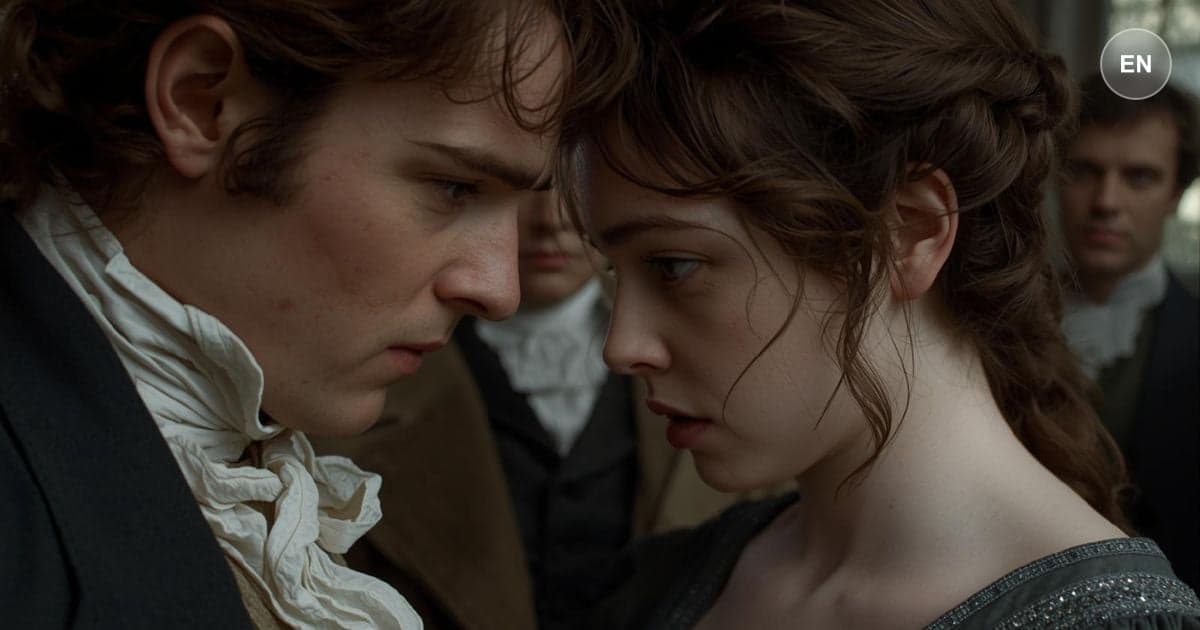
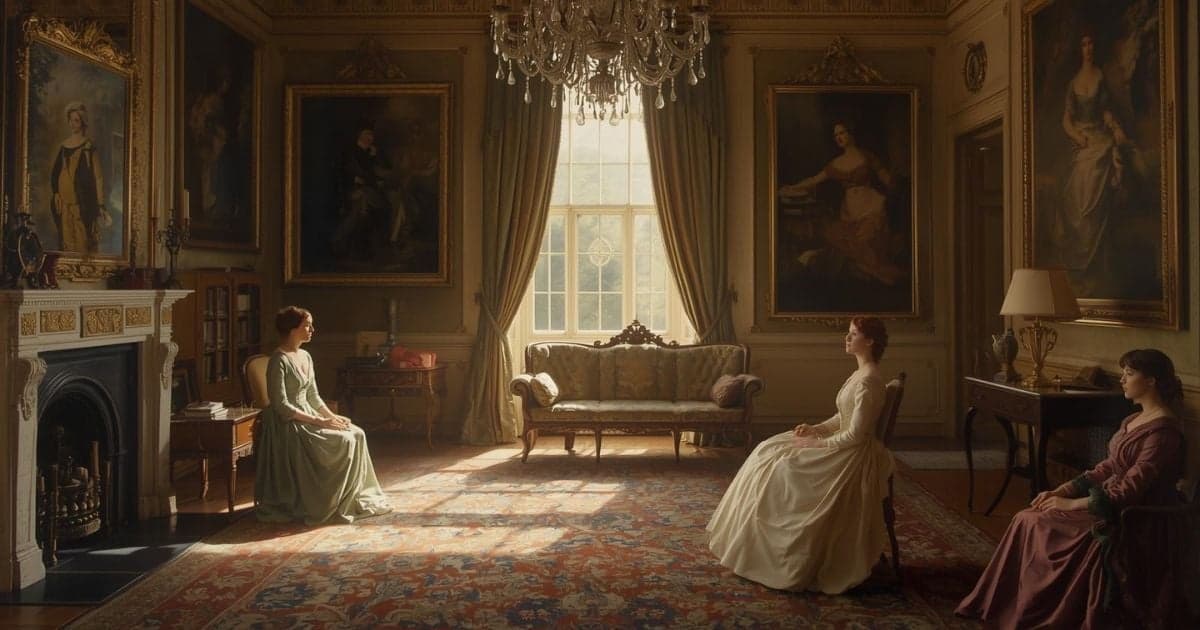
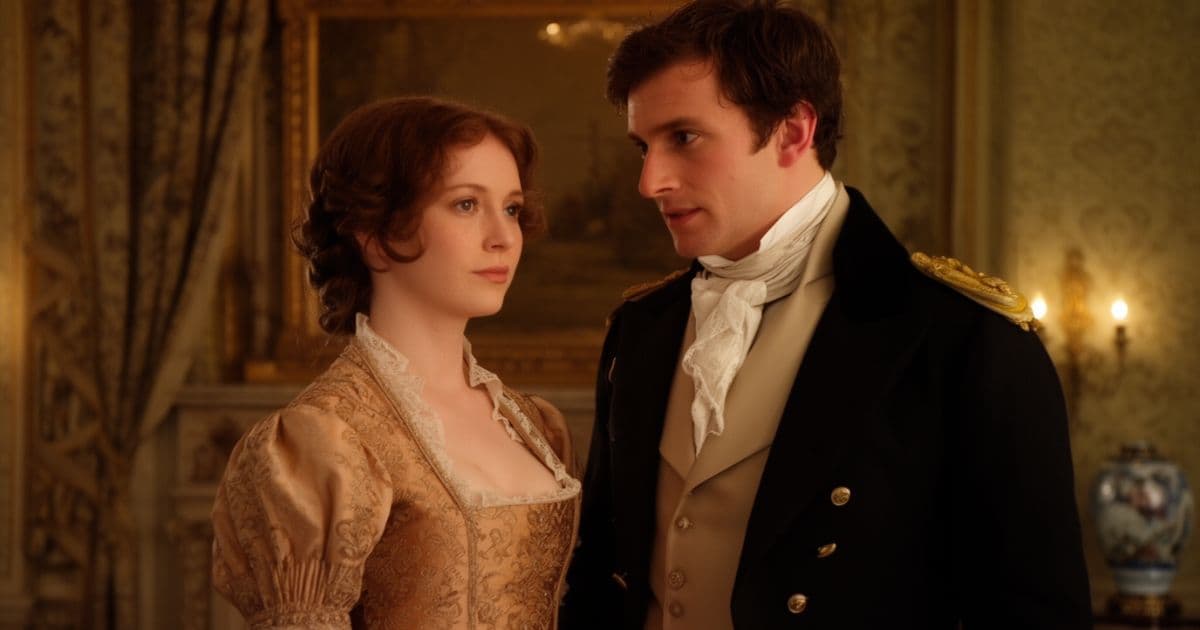
Sir Walter Elliot, of Kellynch Hall, in Somersetshire, was a man who, for his own amusement, never took up any book but the Baronetage; there he found occupation for an idle hour, and consolation in a distressed one; there his faculties were roused into admiration and respect, by contemplating the limited remnant of the earliest patents; there any unwelcome sensations, arising from domestic affairs changed naturally into pity and contempt as he turned over the almost endless creations of the last century; and there, if every other leaf were powerless, he could read his own history with an interest which…
Public-domain chapter text, formatted for reading.
Master this chapter. Complete your experience
Purchase the complete book to access all chapters and support classic literature
Available in paperback, hardcover, and e-book formats
Now let's explore the literary elements.
Key Quotes & Analysis
"Vanity was the beginning and the end of Sir Walter Elliot's character;"
Context: Austen diagnoses Sir Walter in the opening portrait of Kellynch Hall
Vanity is not a quirk but the engine of every choice Sir Walter makes, from reading the Baronetage to refusing honest retrenchment.
In Today's Words:
Some people organize their whole identity around how they look and rank on paper. Sir Walter reads his own entry in the Baronetage the way others refresh a profile, and that fixation keeps him from seeing debt until crisis arrives. When status becomes your compass, reality becomes an insult you refuse to read.
"her word had no weight, her convenience was always to give way—she was only Anne."
Context: Contrasting Elizabeth's influence with Anne's marginal place in the Elliot household
Anne's competence and feeling count for nothing against birth order and her father's vanity. The phrase 'only Anne' names how families can erase a useful member.
In Today's Words:
In families and offices alike, the reliable person often gets the smallest voice. Anne is gentle, capable, and always expected to bend, while louder siblings keep precedence. If your convenience is always last, you are not being modest; you are being trained to disappear Name the pattern when you notice it in your own relationships
"No; he would never disgrace his name so far. The Kellynch estate should be transmitted whole and entire, as he had received it."
Context: Sir Walter refuses to sell land even as debts overwhelm him
Sir Walter would rather mortgage and rent than sell because the name matters more than solvency. Pride blocks the practical exit.
In Today's Words:
He would rather bleed money than sell the family property because the story of the name matters more than solvency. People do this with houses, businesses, and reputations: they protect the symbol even when the symbol is bankrupting them. Pride dressed as legacy can be the most expensive refusal you make.
"Can we retrench? Does it occur to you that there is any one article in which we can retrench?"
Context: Sir Walter asks Elizabeth about cuts after hints of debt reach Kellynch
Even facing ruin, Sir Walter frames economy as a question rather than a duty, and Elizabeth's shallow cuts cannot touch the real problem.
In Today's Words:
When finances crack, Sir Walter asks whether retrenchment is possible instead of commanding it. That passive framing lets vanity survive another season. In modern households, the same move sounds like 'Can we maybe cut back?' while subscriptions, status spending, and appearances stay untouched Name the pattern when you notice it in your own relationships and
Thematic Threads
Persuasion and Regret
In This Chapter
Anne's broken engagement haunts her eight years later
Development
The novel will explore whether past choices can ever be undone
In Your Life:
Think of a decision you made because someone 'sensible' told you to. Do you still stand by it?
Vanity vs. Substance
In This Chapter
Sir Walter's obsession with appearance blinds him to reality
Development
Characters throughout will be measured by this standard
In Your Life:
Where in your life do you prioritize how things look over how things are?
You now have the context. Time to form your own thoughts.
Discussion Questions
This is not a test. Five prompts guide you through the chapter, from how it opens to how it closes, so you notice context and rhythm rather than facts to memorize. Sit with each question in your own words. When you see "One way to read it," treat it as a starting point, not the only answer.
- 1
Why does Sir Walter read only the Baronetage, and what does that habit reveal about how he handles distress?
analysis • surfaceOne way to read it
The Baronetage turns family rank into self-soothing ritual. When domestic trouble rises, he flips to pedigree instead of facing bills or daughters' needs.
- 2
How does Austen establish Anne's position in the family before the Wentworth backstory fully unfolds?
analysis • mediumOne way to read it
Anne has elegance and feeling but 'was only Anne' to father and sister. Her word carries no weight, which foreshadows how persuasion will override her judgment.
- 3
Why does Sir Walter refuse to sell Kellynch land even when mortgaging has failed to stop his debts?
application • mediumOne way to read it
Selling would admit collapse of the family name as he imagines it. Transmitting the estate whole matters more to him than solvency, a common trap when symbols outrank math.
- 4
What does Elizabeth's disappointment over Mr Elliot suggest about how the Elliots link marriage to inheritance and rank?
analysis • deepOne way to read it
Elizabeth expected the heir presumptive and felt disgraced when he married wealth without Elliot approval. Marriage is treated as estate strategy, not merely affection.
- 5
Where have you seen someone protect image long after the underlying situation was failing?
reflection • deepOne way to read it
Strong answers name a workplace, family, or habit where display continued after resources thinned. The lesson is to read who benefits from keeping the performance alive.
Critical Thinking Exercise
The Advice Audit
Think of a major life decision where you followed someone else's advice. Was the advice driven by genuine wisdom about your situation, or by the advisor's own fears, values, or limitations?
Consider:
- •Did the advisor understand your full situation?
- •Were they projecting their own experiences onto you?
- •What would have happened if you'd trusted your own instincts?
Journaling Prompt
Write about a time you were 'persuaded' against your instincts. How did it turn out? What did you learn about whose advice to trust?
Coming Up Next...
Chapter 2: New Tenants for Kellynch
Lady Russell must turn retrenchment from theory into action, yet Sir Walter recoils at every cut that threatens his consequence. Anne wants honest reform; Elizabeth wants cosmetic savings. Soon the lawyer's quiet hint becomes unavoidable: quit Kellynch Hall entirely.