Wide Reads
Literature MattersLife IndexEducators
Sign in
Where to Begin

Captain Benwick's Grief — Persuasion

Persuasion - Captain Benwick's Grief

Jane Austen

Persuasion

Captain Benwick's Grief

Home›Books›Persuasion›Chapter 13: Captain Benwick's Grief
Previous
13 of 24
Next

Analysis by the Wide Reads editorial team·Reviewed against the source text·Updated November 29, 2025

Summary

Captain Benwick's Grief

Persuasion by Jane Austen

0:000:00
Listen to Next Chapter

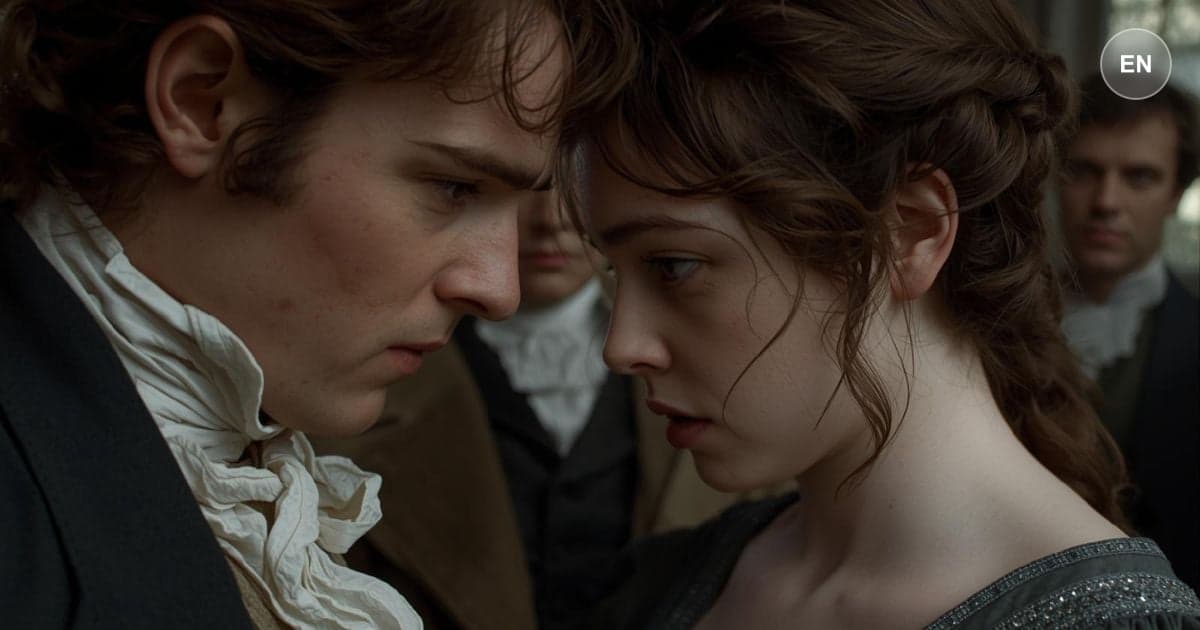
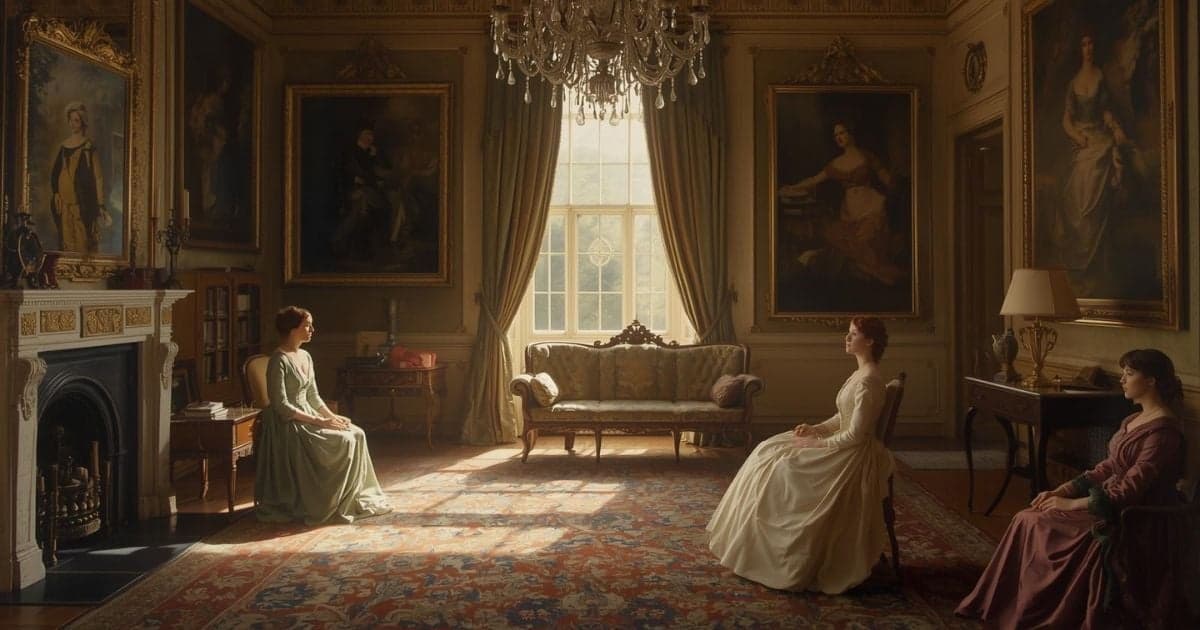
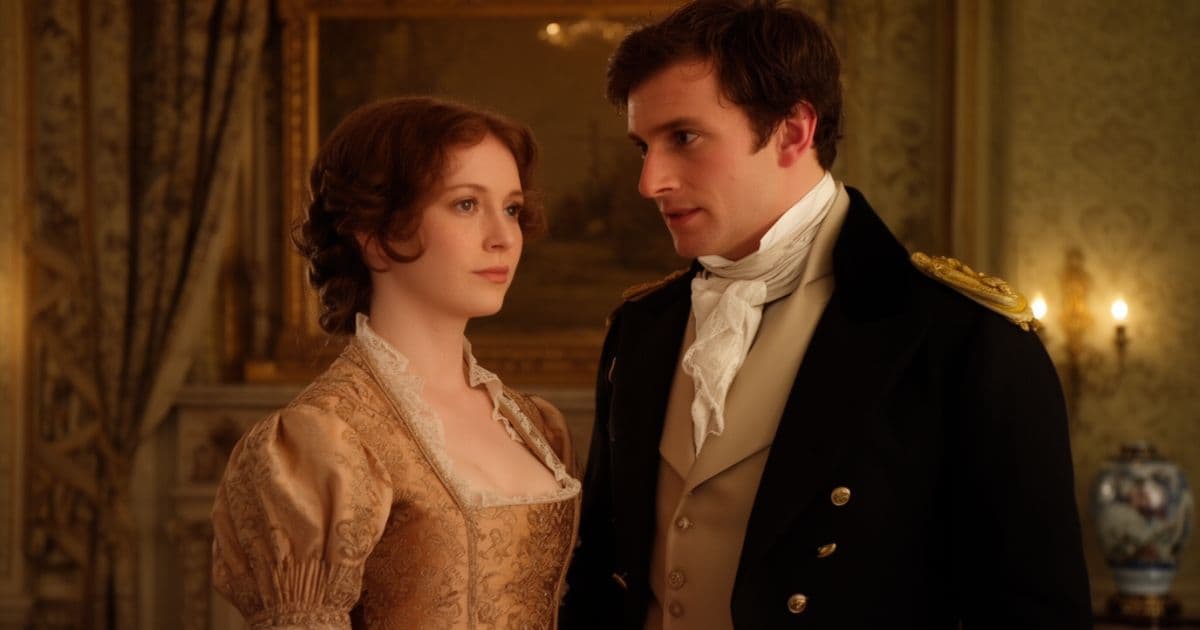
The aftermath of the accident reshapes everything. Anne spends her last two days at Uppercross helping the devastated Musgrove parents prepare to go to Lyme to be near Louisa. News arrives that Wentworth is fixed at Lyme, showing no intention of leaving while Louisa remains injured. Anne interprets this as decisive: he'll marry Louisa once she recovers. The house that was filled with laughter and company empties completely. Anne is the last one remaining, sitting alone in the deserted mansion on a dark November day with rain blotting out the windows. She imagines the future: when Louisa recovers, Wentworth will marry her, and these rooms will fill again "with all that was happy and gay, all that was glowing and bright in prosperous love, all that was most unlike Anne Elliot." Lady Russell arrives to take Anne to Bath. They visit the Crofts at Kellynch Hall, and Anne learns something that pierces through her resignation: Wentworth came to Kellynch yesterday, brought a note about Louisa, and specifically asked after Anne. More than that, he praised her exertions during the crisis, called them "great." Mrs. Croft delivers this casually, not knowing what it means to Anne. It's handsome of him to acknowledge her competence, even while planning to marry someone else. The Admiral, with characteristic bluntness, jokes about Wentworth's "new sort of way" of making love, "breaking his mistress's head." Lady Russell and Mrs. Croft agree the accident was the result of "thoughtlessness and imprudence," Louisa's reckless determination to be jumped down the steps. Anne says nothing, but she's thinking: Wentworth spent weeks praising firmness, decisiveness, refusing to be persuaded. He got exactly what he encouraged. His philosophy of absolute firmness nearly killed the girl he was courting and revealed what Anne always knew, that persuadability isn't weakness. Sometimes it's wisdom. Anne prepares to leave for Bath, believing she's seen the last of Frederick Wentworth. He'll marry Louisa. Anne will return to invisibility. At least she knows he saw her clearly, for one moment, during the crisis. It will have to be enough.

In this chapter: Terms Characters Key Quotes Themes Modern Story

Why This Matters

Connect literature to life

Skill: Reading Quiet Evidence

A finished story about your future can feel like wisdom when it is only self-protection. Anne believes Wentworth will marry Louisa, yet learns at Kellynch that he asked after her particularly and praised her crisis exertions as great. When someone else's casual report contradicts your resignation, write the new fact down before the old narrative swallows it again.

Coming Up in Chapter 14

Charles and Mary return from Lyme with news that unsettles every assumption Anne has carried to Kellynch. Captain Benwick's shyness about visiting her, Charles's report of his admiration, and Wentworth's refusal to see Louisa all suggest attachments shifting in ways no one at Uppercross foresaw. Before Bath closes around her, one more holiday visit will show the Musgrove house riotously alive again.

Share it with friends

PreviousPrevious ChapterNextNext Chapter
Original text
2,740 wordscomplete

Chapter 13

Captain Benwick's Grief

The remainder of Anne’s time at Uppercross, comprehending only two days, was spent entirely at the Mansion House; and she had the satisfaction of knowing herself extremely useful there, both as an immediate companion, and as assisting in all those arrangements for the future, which, in Mr and Mrs Musgrove’s distressed state of spirits, would have been difficulties. They had an early account from Lyme the next morning. Louisa was much the same. No symptoms worse than before had appeared. Charles came a few hours afterwards, to bring a later and more particular account. He was tolerably cheerful. A speedy…

Public-domain chapter text, formatted for reading.

Master this chapter. Complete your experience

Purchase the complete book to access all chapters and support classic literature

Buy at Powell'sBuy on Amazon

Available in paperback, hardcover, and e-book formats

Now let's explore the literary elements.

Key Quotes & Analysis

"She was the last, excepting the little boys at the cottage, she was the very last, the only remaining one of all that had filled and animated both houses, of all that had given Uppercross its cheerful character."

— Narrator

Context: After Anne sends the Musgroves to Lyme and the houses empty around her

Austen makes absence physical. Anne is not merely alone; she is the last trace of a social world that has drained away, which sharpens her sense of being outside the happiness others will reclaim.

In Today's Words:

When a crisis empties a workplace or family home, the person still holding things together can end up alone in rooms that used to buzz with noise. That silence often hurts more than the labor itself because it confirms you are not part of the future everyone else is rushing toward.

"might be filled again with all that was happy and gay, all that was glowing and bright in prosperous love, all that was most unlike Anne Elliot!"

— Narrator

Context: Anne imagines Louisa's recovery and marriage to Wentworth restoring Uppercross

Anne does not envy Louisa abstractly; she pictures a concrete future that excludes her temperament and history. The exclamation mark admits the wound she will not speak aloud.

In Today's Words:

It is one thing to lose someone. It is another to picture the life they will build with someone else in a place you once belonged, decorated in a style that could never be yours. That imagined scene can feel like proof you were always the wrong kind of person.

"I think you are very likely to suffer the most of the two; your feelings are less reconciled to the change than mine."

— Anne Elliot

Context: Anne prepares Lady Russell for visiting the Crofts at Kellynch Hall

Anne names Lady Russell's pain honestly while claiming her own adjustment. The line shows mature empathy without surrendering her private judgment that Kellynch is better tended now.

In Today's Words:

When an old mentor grieves a lost status symbol, you can acknowledge their hurt without pretending you share it. Naming whose loss is sharper can keep compassion honest and stop guilt from rewriting what you know to be true Name the pattern when you notice it in your own relationships and daily choices.

"Ay, a very bad business indeed. A new sort of way this, for a young fellow to be making love, by breaking his mistress's head, is not it, Miss Elliot?"

— Admiral Croft

Context: Discussing Louisa's accident with Anne and Lady Russell at Kellynch

The Admiral's blunt joke punctures romantic posturing. His simplicity lets Anne enjoy a moment of truth while the sensible women around her classify the accident as imprudence.

In Today's Words:

Sometimes the most useful comment in a tense room comes from someone who refuses elegant phrasing. A plain joke can name what careful people only circle, and give the quiet listener room to breathe without having to argue Name the pattern when you notice it in your own relationships and daily choices.

Thematic Threads

Captain Benwick's Grief

In This Chapter

Anne experiences connecting through shared sorrow

Development

This connects to the broader themes of constancy and second chances

In Your Life:

Consider how grief, poetry, emotional intelligence appear in your own relationships

You now have the context. Time to form your own thoughts.

Discussion Questions

This is not a test. Five prompts guide you through the chapter, from how it opens to how it closes, so you notice context and rhythm rather than facts to memorize. Sit with each question in your own words. When you see "One way to read it," treat it as a starting point, not the only answer.

  1. 1

    Why does Anne persuade the Musgrove parents to go to Lyme immediately even though it leaves her alone at Uppercross?

    ▶One way to read it

    She knows they need relief and each other, and she chooses practical help over her own comfort, which is typical of how the family uses her strength.

    analysis • surface
  2. 2

    What does Anne's imagined future for the deserted rooms reveal about how she reads Wentworth's attachment to Louisa?

    ▶One way to read it

    She treats his staying at Lyme as settled intent to marry Louisa and pictures a prosperous love that is explicitly unlike herself.

    analysis • medium
  3. 3

    When have you interpreted someone's distance as a final answer and later learned you were wrong?

    ▶One way to read it

    Like Anne assuming Wentworth's future is decided, many people protect themselves with a closed story until a small, indirect detail forces a revision.

    application • medium
  4. 4

    Why does Wentworth's enquiry after Anne at Kellynch matter to her more than almost anything else in the visit?

    ▶One way to read it

    It proves he saw her clearly during the crisis, which gives her one moment of recognition even while she believes he belongs elsewhere.

    application • deep
  5. 5

    How does Anne's view of the Crofts at Kellynch differ from the grief Lady Russell expects to feel there?

    ▶One way to read it

    Anne believes the estate is in better hands and feels conscience-guided pain, while Lady Russell mourns fallen status Anne no longer shares.

    reflection • deep

Critical Thinking Exercise

10 minutes

Understanding Captain Benwick's Grief

Reflect on a situation in your life involving grief, poetry, emotional intelligence. How did you handle it, and what would you do differently now?

Consider:

  • •How did grief affect your decisions?
  • •What did you learn from the experience?

Journaling Prompt

Write about how understanding grief, poetry, emotional intelligence has changed your approach to relationships.

Coming Up Next...

Chapter 14: Return from Lyme

Charles and Mary return from Lyme with news that unsettles every assumption Anne has carried to Kellynch. Captain Benwick's shyness about visiting her, Charles's report of his admiration, and Wentworth's refusal to see Louisa all suggest attachments shifting in ways no one at Uppercross foresaw. Before Bath closes around her, one more holiday visit will show the Musgrove house riotously alive again.

Continue to Chapter 14
Previous
Aftermath of the Accident
Contents
Next
Return from Lyme
Keep exploring

Continue Exploring

Study guides, teaching tools, themes, and the full library.More ways to read Persuasion: study guides, teaching tools, and the wider library.

  • Persuasion Study Guide
  • Teaching Resources
  • Essential Life Index
  • Browse by Theme
  • All Books

Life-skill deep dives in Persuasion

  • Inner Worth vs. Outer AppearanceExplore inner worth vs outer appearance through Persuasion by Jane Austen. Life lessons from classic literature applied to modern challenges.
  • Navigating Social DeclineExplore navigating social decline through Persuasion by Jane Austen. Life lessons from classic literature applied to modern challenges.
  • Second Chances and ConstancyExplore second chances and constancy through Persuasion by Jane Austen. Life lessons from classic literature applied to modern challenges.
  • Trusting Your Own JudgmentLearn how Anne Elliot was persuaded against her heart—and what it takes to trust your own convictions when others advise otherwise in Persuasion...
Love & RelationshipsSocial Class & StatusIdentity & Self-Discovery

You Might Also Like

Pride and Prejudice cover

Pride and Prejudice

Jane Austen

Also by Jane Austen

Sense and Sensibility cover

Sense and Sensibility

Jane Austen

Also by Jane Austen

Emma cover

Emma

Jane Austen

Also by Jane Austen

Northanger Abbey cover

Northanger Abbey

Jane Austen

Also by Jane Austen

Browse all 106+ books

Share This Chapter

Know someone who'd enjoy this? Spread the wisdom!

TwitterFacebookLinkedInEmail

Go further with Prestige

Unlock study guides and downloads, early access, and exclusive content — and support free access for everyone.

Subscribe to PrestigeCreate free account
Intelligence Amplifier
Intelligence Amplifier™Powering Wide Reads

Exploring human-AI collaboration through books, essays, and philosophical dialogues. Classic literature transformed into navigational maps for modern life.

2025 Books

→ The Amplified Human Spirit→ The Alarming Rise of Stupidity Amplified→ San Francisco: The AI Capital of the World
Visit intelligenceamplifier.org
hello@widereads.com

WideReads Originals

→ You Are Not Lost→ The Last Chapter First→ The Lit of Love→ Wealth and Poverty→ Wisdom for the Wounded
Arvintech
arvintechAmplify your Mind
Visit at arvintech.com

Navigate

  • Home
  • Library
  • Essential Life Index
  • How It Works
  • Subscribe
  • Account
  • About
  • Contact
  • Authors
  • Suggest a Book
  • Landings

Made For You

  • Trending
  • Students
  • Educators
  • Families
  • Readers
  • Literary Analysis
  • Finding Purpose
  • Letting Go
  • Recovering from a Breakup
  • Corruption
  • Gaslighting in the Classics

Newsletter

Weekly insights from the classics. Amplify Your Mind.

Legal

  • Privacy Policy
  • Terms of Service
  • Editorial Standards
  • Cookie Policy
  • Accessibility

Why Public Domain?

We focus on public domain classics because these timeless works belong to everyone. No paywalls, no restrictions—just wisdom that has stood the test of centuries, freely accessible to all readers.

Public domain books have shaped humanity's understanding of love, justice, ambition, and the human condition. By amplifying these works, we help preserve and share literature that truly belongs to the world.

A Pilgrimage

Powell's City of Books

Portland, Oregon

If you ever find yourself in Portland, walk to the corner of Burnside and 10th. The building takes up an entire city block. Inside is over a million books, new and used on the same shelf, organized by color-coded rooms with names like the Rose Room and the Pearl Room. You can lose an afternoon. You can lose a weekend. You will find a book you have been looking for your whole life, and three you did not know existed.

It is a pilgrimage. We cannot find a bookstore like it anywhere on earth. If you read the classics, and you ever get the chance, go. It belongs on every reader's bucket list.

Visit powells.com

We are not in any way affiliated with Powell's. We are just a very big fan.

© 2026 Wide Reads™. All Rights Reserved.

Intelligence Amplifier™ and Wide Reads™ are proprietary trademarks of Arvin Lioanag.

Copyright Protection: All original content, analyses, discussion questions, pedagogical frameworks, and methodology are protected by U.S. and international copyright law. Unauthorized reproduction, distribution, web scraping, or use for AI training is strictly prohibited. See our Copyright Notice for details.

Disclaimer: The information provided on this website is for general informational and educational purposes only and does not constitute professional, legal, financial, or technical advice. While we strive to ensure accuracy and relevance, we make no warranties regarding completeness, reliability, or suitability. Any reliance on such information is at your own risk. We are not liable for any losses or damages arising from use of this site. By using this site, you agree to these terms.