Chapter 22
Captain Harville's Argument
Anne went home to think over all that she had heard. In one point, her feelings were relieved by this knowledge of Mr Elliot. There was no longer anything of tenderness due to him. He stood as opposed to Captain Wentworth, in all his own unwelcome obtrusiveness; and the evil of his attentions last night, the irremediable mischief he might have done, was considered with sensations unqualified, unperplexed. Pity for him was all over. But this was the only point of relief. In every other respect, in looking around her, or penetrating forward, she saw more to distrust and to…
Public-domain chapter text, formatted for reading.
Master this chapter. Complete your experience
Purchase the complete book to access all chapters and support classic literature
Available in paperback, hardcover, and e-book formats
Now let's explore the literary elements.
Key Quotes & Analysis
"She meant to avoid any such alteration of manners as might provoke a remonstrance on his side. It was a great object to her to escape all enquiry or eclat; but it was her intention to be as decidedly cool to him as might be compatible with their relationship;"
Context: Mr Elliot's evening visit after the exposure
Anne now knows Elliot's file and retracts intimacy without public scene. Knowledge changes manner before it changes circumstances.
In Today's Words:
Anne decided to be cool and distant with Mr Elliot without provoking a confrontation. She wanted no drama, only to undo the false warmth she had been led into Name the pattern when you notice it in your own relationships and daily choices Name the pattern when you notice it in your own relationships and
"What is Mr Elliot to me?"
Context: Arguing with Mary about Camden Place versus the theatre
Charles dismisses the heir's claims; Wentworth listens with his whole soul. Anne's preference for the Musgrove party becomes visible.
In Today's Words:
Charles told Mary he would not skip a play to honor Mr Elliot merely because Elliot was Sir Walter's heir. Wentworth heard every word and looked straight at Anne Name the pattern when you notice it in your own relationships and daily choices Name the pattern when you notice it in your own relationships and
"It is a period, indeed! Eight years and a half is a period."
Context: Brief conversation at the White Hart
Wentworth names the elapsed time directly. Anne stops, afraid of misconstruction, but the shared count is now in the open.
In Today's Words:
He remarked that eight and a half years is a long time, and Anne nearly cut herself off, afraid he would read too much into her reply. Still, the separation was finally named between them Name the pattern when you notice it in your own relationships and daily choices.
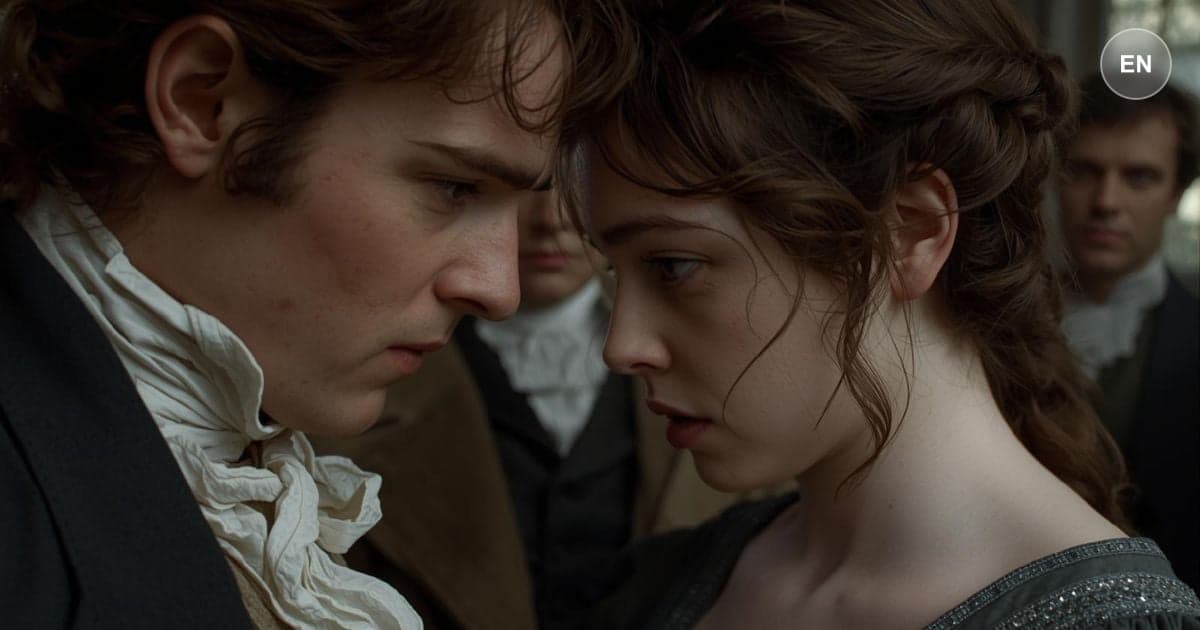
"Anne caught his eye, saw his cheeks glow, and his mouth form itself into a momentary expression of contempt, and turned away, that she might neither see nor hear more to vex her."
Context: After Elizabeth invites Wentworth to Camden Place
Elizabeth's gracious card may be social climbing; Wentworth's contempt suggests he reads it as condescension. Anne cannot tell acceptance from insult.
In Today's Words:
Elizabeth handed Captain Wentworth a party invitation with unusual grace, but Anne saw contempt flash across his face. She looked away because she could not tell whether he would come or refuse the Elliots entirely Name the pattern when you notice it in your own relationships and daily choices.
Thematic Threads
Captain Harville's Argument
In This Chapter
Anne experiences defending your truth
Development
This connects to the broader themes of constancy and second chances
In Your Life:
Consider how constancy, gender, emotional honesty appear in your own relationships
You now have the context. Time to form your own thoughts.
Discussion Questions
This is not a test. Five prompts guide you through the chapter, from how it opens to how it closes, so you notice context and rhythm rather than facts to memorize. Sit with each question in your own words. When you see "One way to read it," treat it as a starting point, not the only answer.
- 1
How does Anne behave toward Mr Elliot at his evening visit?
analysis • surfaceOne way to read it
She is decidedly cool and retracts the intimacy she had been led into. She sees insincerity in every smile now that she knows Mrs Smith's story.
- 2
Why does the Musgrove party come to Bath?
analysis • mediumOne way to read it
Captain Harville has business; Mrs Musgrove visits friends; Henrietta shops for wedding clothes. Charles and Mary join for convenience.
- 3
What makes Charles's line about Mr Elliot matter to Anne?
application • mediumOne way to read it
He refuses to honor the heir socially, and Wentworth listens with full attention. Anne's own lack of regard for the party becomes visible without her naming Wentworth.
- 4
How does Sir Walter and Elizabeth's entrance change the White Hart room?
analysis • deepOne way to read it
Comfort and gaiety collapse into cold composure. Their elegance humiliates Anne by contrast with the Musgroves' warmth.
- 5
Why is Anne unsure whether Wentworth will attend Camden Place?
reflection • deepOne way to read it
Elizabeth's invitation may be social ambition, but Wentworth's contemptuous look suggests he reads past insult in the gesture. Anne cannot tell acceptance from disdain.
Critical Thinking Exercise
Understanding Captain Harville's Argument
Reflect on a situation in your life involving constancy, gender, emotional honesty. How did you handle it, and what would you do differently now?
Consider:
- •How did constancy affect your decisions?
- •What did you learn from the experience?
Journaling Prompt
Write about how understanding constancy, gender, emotional honesty has changed your approach to relationships.
Coming Up Next...
Chapter 23: The Letter
At the White Hart next morning Anne hears Mrs Croft condemn long engagements, debates constancy with Captain Harville while Wentworth writes nearby, and receives his letter when he returns for forgotten gloves.