
Robinson Crusoe
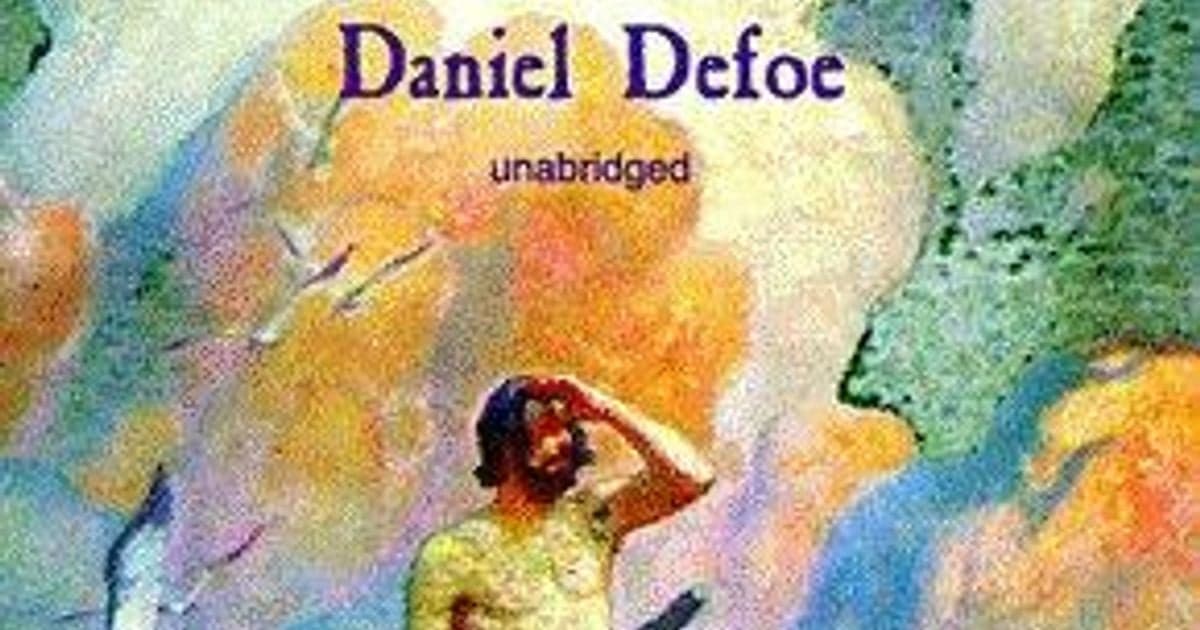
Daniel Defoe
0:00 / 0:00
Crusoe comes to on the beach and finds the sea has taken every other man on the ship. He is twenty-seven. He will not see another human face for twenty-eight years. The wreck is still there, and the first work is getting tools off it before the next tide. Defoe published the book in 1719 as if it were a memoir. The man who spent his youth running from a settled life will spend his prime building one from wreckage.
Robinson Crusoe is a restless younger son from York: clever enough to make a fortune and so sure the middle station is a cage that he cannot hear his father warning him what restlessness costs. His father is the voice of settled England, offering comfort, safety, and a life Crusoe treats as death. Xury is the boy who helps him flee Sallee and whom he later sells. The Portuguese captain pulls him from the African coast and sets him up in Brazil. Friday is the man Crusoe rescues from cannibals after two decades alone, then names, converts, and commands. The Sallee rover owned him. The cannibals' footprint ends the fantasy of an empty island. The English captain is marooned by his own crew. Poll the parrot learns to say Crusoe's name when no one else can. The only opponent who never leaves the page is the scale of the disaster.
In York the father names the middle station and Crusoe boards a ship anyway. Off Africa a Turkish rover takes the vessel and Crusoe spends two years as a slave, studying the boat, then tossing Ismael overboard and steering south with Xury. A Portuguese captain buys his freedom and helps him plant in Brazil; Crusoe sells Xury and then throws the plantation away for a slaving voyage that wrecks him off South America. He spends thirteen days rafting tools from the dying ship. He notches a calendar, builds a fortress, fails at pottery until a shard falls in the fire, and tames goats. Fever puts him on the ground and a verse does the rest: Call on Me in the day of trouble. Fifteen years in, a single footprint in the sand ends the fiction that he is alone. He watches, waits, then runs at the cannibals and takes the man he will call Friday. Years later an English ship appears carrying mutineers; Crusoe splits them, restores the captain, and leaves the island after twenty-eight years to find the Brazilian estate has made him rich without him.
Defoe never treats the island as a children's adventure, or the salvage as cute ingenuity, or Friday as a sidekick who happens to arrive. He was a merchant and a journalist before he was a novelist, and he understood that survival is a sequence of small problems, each solution creating the next. He also understood empire. Crusoe claims the island the way a European of 1719 claims land: by arriving, naming, and assuming the hierarchy is gratitude. The book rewards readers who sit with that tension rather than resolving it. What remains is not a hymn to toughness. It is a picture of how a person rebuilds capacity after catastrophic loss, and of how easily competence starts speaking in the language of ownership.
The first pressure is already on that beach: every other man is gone, and the wreck is now an inventory. Building from Nothing is the rafts, the fortress, and the pot that only works after a shard falls in the fire. Strategic Patience Under Adversity is two years in Sallee, a rainy season, and a footprint he watches before he runs. Reading Power Dynamics is the rover's slave becoming the man who names Friday and splits a mutiny: who controls food, boats, and the story. Managing Sustained Isolation is the journal, the calendar notch, and Poll saying his name so twenty-eight years do not become one long panic. Interrogating Colonial Assumptions is the rescue that immediately becomes a naming, a conversion, and a hierarchy he treats as natural generosity. Adapting Faith to Catastrophe is the fever and the verse Call on Me in the day of trouble, disasters that start looking like correction instead of luck.
He spends thirteen days rafting tools from the dying ship. Fifteen years in, a single footprint in the sand ends the fiction that he is alone. He fails at pottery until a shard falls in the fire. Poll learns to say his name when no one else can. Wide Reads keeps summaries, quotes, and audio on all nineteen chapters, from a father's warning in York to a wolf pack on the road home.
Lessons from Robinson Crusoe
Six lessons from this classic novel.
Lessons from Robinson Crusoe
Six lessons from this classic novel.Building from Nothing
Watch the wreck, the rafts, and the broken pot that falls in the fire: start with what is salvageable and treat each small success as the next tool.
I had neither food, house, clothes, weapon, nor place to fly to;
Strategic Patience Under Adversity
Sit through two years in Sallee, then the seasons and the footprint, and use a powerless stretch as reconnaissance instead of collapse.
I meditated nothing but my escape, and what method I might take to effect it, but found no way that had the…
Deep dives
Chapter-by-chapter breakdowns
Reading Power Dynamics
Follow Crusoe from the rover's slave to the man who names Friday and splits a mutiny: map who actually controls food, boats, and the story.
Official status is not the hierarchy. Usefulness, the boat, and who holds the gun are. Survive first by mapping that chart, then…
Managing Sustained Isolation
Keep the journal, the calendar notch, Poll, and the two houses: structure time so twenty-eight years do not become one long panic.
Isolation becomes fatal when it stays one undivided emergency. You have to invent days before you can invent bread. A self needs…
Interrogating Colonial Assumptions
Watch the rescue that immediately becomes a naming, a conversion, and a hierarchy Crusoe treats as natural generosity.
The pattern is older than the wreck. Watch the hour when help becomes inventory. If your own freedom is the only freedom…
Table of Contents
Slavery and Escape
Robinson Crusoe's reckless pursuit of fortune leads him into slavery when Turkish pirates capture hi...
Shipwreck and Survival
Robinson's life takes a dramatic turn as he escapes slavery and finds unexpected prosperity in Brazi...
Salvaging Hope from Wreckage
Robinson awakens to find his ship closer to shore, giving him a chance to salvage supplies before it...
Building from Scratch
Crusoe begins the methodical work of survival, establishing routines that will keep him sane and ali...
Illness and Awakening
Crusoe continues salvaging materials from his wrecked ship, methodically collecting timber, iron, an...
Learning the Land and Seasons
Crusoe embarks on his first major exploration of the island, discovering a lush valley filled with f...
Mapping His World and Finding Home
Crusoe embarks on his first major exploration of the island, discovering that he's been living on th...
The Art of Making Do
Crusoe becomes a one-man industrial revolution, learning pottery, bread-making, and tool crafting th...
Building What You Can Control
Crusoe spends five years developing his island life, learning crucial lessons about planning and per...
The Footprint That Changed Everything
Crusoe has settled into a comfortable routine on his island, living like a king with his animal comp...
Fear Changes Everything
Crusoe's discovery of cannibals on his island transforms him from a cautious survivor into a paranoi...
The Spanish Shipwreck Discovery
After twenty-three years on the island, Crusoe has built a comfortable life with his animal companio...
A Dream Becomes Reality
After years of isolation, Crusoe becomes consumed with escape plans, his mind churning with desperat...
Teaching and Learning Together
Crusoe begins Friday's education, starting with practical matters like cooking meat and making bread...
Rescue of Prisoners from Cannibals
Crusoe and Friday prepare to escape the island by building a large canoe, but their plans are interr...
Unexpected Visitors and Dangerous Alliances
Crusoe faces a complex moral and strategic dilemma when an English ship arrives at his island. What ...
The Ship Recovered
Crusoe and the captain face their biggest challenge yet when ten more mutineers arrive from the ship...
Return to England and Unexpected Wealth
After twenty-eight years on the island, Crusoe finally returns to England, only to discover he's a s...
The Bear Dance and Wolf Pack
Friday steals the show in this action-packed chapter that reveals his playful genius and unshakeable...
Common Questions About Robinson Crusoe
Trending search questions mapped to the six lessons in this novel—building from nothing, strategic patience, reading power dynamics, managing isolation, interrogating colonial assumptions, and adapting faith to catastrophe—plus what readers actually ask Google about the footprint, Friday, and whether the story is colonialist.
How does Robinson Crusoe survive after the shipwreck?
He spends thirteen days rafting tools, gunpowder, and food off the dying ship before the next tide can take them. Once ashore he notches a calendar into a post, builds a fortress into a hillside, and fails at pottery for weeks until a piece finally hardens after falling in the fire. Survival in Robinson Crusoe is not one clever trick. It is a run of small, ugly failures that each become the next tool.
Explore Building from NothingWhat does the footprint in the sand mean in Robinson Crusoe?
Fifteen years into his solitude, Crusoe finds a single footprint on the shore, and it ends the fiction that the island has only ever held him. He does not run toward it or away from it that day. He watches, arms himself, and rebuilds his defences before he ever acts on what he has seen. The footprint is the moment patience becomes a plan instead of a panic.
Explore Strategic Patience Under AdversityIs Robinson Crusoe a colonialist novel?
Crusoe rescues a man from cannibals, then immediately names him Friday, teaches him English, converts him, and treats the whole arrangement as gratitude rather than command. Defoe never flags the hierarchy as a problem. Crusoe claims the island the way a European trader of 1719 claims any land: by arriving, naming, and assuming the welcome. Robinson Crusoe does not resolve that tension for the reader. It hands it over, which is exactly why the book still gets argued about.
Explore Interrogating Colonial AssumptionsHow does Robinson Crusoe keep track of time on the island?
He cuts a notch into a post every day, keeps a running journal once ink and paper survive the wreck, and later teaches a parrot named Poll to say his own name back to him. None of these habits change his situation. They stop twenty-eight years from collapsing into one indistinguishable stretch of dread, which is a different kind of survival than the fortress or the goats.
Explore Managing Sustained IsolationWhat religious change happens to Robinson Crusoe on the island?
A fever puts him on the ground in his first year alone, and a line from a salvaged Bible does the rest: Call on Me in the day of trouble, and I will deliver thee. He starts reading the wreck itself, the storms, and the good harvests as correction rather than accident. Defoe is not staging a quick conversion scene. He is showing a man's account of disaster slowly rewriting itself into providence.
Explore Adapting Faith to CatastropheWhat life lessons does Robinson Crusoe teach?
Six lessons run through the book: treat a wreck as inventory, not a verdict, and build from whatever survives; use a powerless stretch, like two years enslaved in Sallee, as reconnaissance instead of collapse; watch how the balance of power between people shifts with who controls food, boats, and the story; structure isolated time with journals and routine so it does not become one long panic; question a rescue that turns into a naming, a conversion, and a hierarchy called generosity; and notice how disaster can be read as correction once you go looking for the pattern. Those six skills, not the desert-island picture, are why the book still answers modern searches.
About Daniel Defoe
Published 1719
Daniel Defoe (1660-1731) was born into a London dissenting merchant family and lived through plague, fire, revolution, and the kind of debt that ends in the pillory. Before he wrote a novel he had been a trader, a pamphleteer, a government spy, a bankrupt, and a prisoner. He was nearly sixty when Robinson Crusoe appeared in 1719.
He claimed the book was a memoir. The first edition announced itself as The Life and Strange Surprising Adventures of Robinson Crusoe, of York, Mariner: Written by Himself. Readers believed it. Defoe drew on the real marooning of Alexander Selkirk, then invented the twenty-eight years, the conversion, and the island civilization that made the story endure. It sold out at once and was reprinted four times that year.
Defoe's gift was making a man's reasoning feel as dramatic as a wreck. He followed Crusoe with Moll Flanders, A Journal of the Plague Year, and Roxana, published under dozens of names, and died in 1731 still hiding from creditors. The English novel and the castaway genre both start here, because he understood that interior revision, the slow correction of a life you thought you were choosing, can hold a reader as tightly as any storm.
Why Daniel Defoe Matters Today
Defoe speaks to the moment when everything you built is gone and the only question left is what you do on the first morning after: the redundancy that erases a career overnight, the diagnosis that erases a five-year plan, the wreck that leaves you with an inventory instead of a life. His answer is not comfort. It is a method. Salvage what floats, notch the calendar, and treat the next small success as the only argument worth making.
What makes him indispensable is that he had already failed at being settled before he wrote a man who could not stop rebuilding. Defoe was a trader, a pamphleteer, a government spy, and a bankrupt who had stood in the pillory, and he was nearly sixty and still hiding from creditors when Robinson Crusoe appeared in 1719. He knew exactly what it costs to lose a fortune and start counting again from a lower number, which is why the raft, the fortress, and the ruined pottery read like reporting, not invention.
Robinson Crusoe remains the reference point for every account of starting over, because Defoe never lets competence stay innocent. The same habits that keep Crusoe alive, patience, inventory, naming what is his, are the habits that let him claim an island and a man named Friday as if gratitude and ownership were the same word. If you have ever rebuilt a life from a single bag of salvage, Defoe is the writer who shows you both what that discipline earns and what it can cost the people standing nearest to it.
Wide Reads is different.
Plot, characters, and themes — plus audio, source text, and patterns you can use after class
Two ways in
Read & listen to the summary
Chapter by chapter, with audio. The meaning arrives because you experienced it — not because someone listed bullet points.
Start with this.
Read the original text
The actual words the author wrote, alongside every summary. Use the guide, then step into the source.
Then step into the source.
Either way, the door opens inward.
— and most of all, Why does this matter?
Get the Full Book
Purchase the complete book to access all chapters and support classic literature

Available in paperback, hardcover, and e-book formats
You Might Also Like
Free to read • No account required