Chapter 09
The Tyrant's Prison
BOOK IX. Last of all comes the tyrannical man, about whom we have to enquire, Whence is he, and how does he live—in happiness or in misery? There is, however, a previous question of the nature and number of the appetites, which I should like to consider first. Some of them are unlawful, and yet admit of being chastened and weakened in various degrees by the power of reason and law. ‘What appetites do you mean?’ I mean those which are awake when the reasoning powers are asleep, which get up and walk about naked without any self-respect or shame;…
Public-domain chapter text, formatted for reading.
Master this chapter. Complete your experience
Purchase the complete book to access all chapters and support classic literature
Available in paperback, hardcover, and e-book formats
Now let's explore the literary elements.
Key Quotes & Analysis
"no conceivable folly or crime, however cruel or unnatural, of which, in imagination, they may not be guilty."
Context: Appetites active while reason sleeps
Even decent people harbor dark impulses; justice is whether reason governs them.
In Today's Words:
Socrates says when reason sleeps, lawless appetites wake and imagine every folly or crime. He is not claiming everyone acts on those images. He is saying the difference between just and unjust people is whether waking reason keeps those forces chained before they spill into daylight action.
"feast of reason and come to a knowledge of himself before going to rest, and has satisfied his desires just enough to prevent their perturbing his reason, which remains clear and luminous, and when he is free from quarrel and heat,—the visions which he has on his bed are least irregular and abnormal."
Context: The temperate soul before sleep
Self-examination and moderation leave reason clear and dreams less monstrous.
In Today's Words:
Socrates contrasts the beastly sleeper with the person who feasts on reason, knows himself, and satisfies desire only enough not to disturb thought. That soul sleeps with a clear mind. The passage is about daily habits that keep appetite from ruling even in private dreams and nighttime impulses.
"king is 729 times more happy than the tyrant."
Context: Comparing the best and worst lives
Plato uses exaggerated number to stress how miserable tyrannical rule of the soul is.
In Today's Words:
Socrates claims the philosophical king is 729 times happier than the tyrant. The math is symbolic, but the point is sharp: the life ruled by wisdom and order is vastly better than the life enslaved by endless craving, even when the tyrant seems to have everything.
"lion, and another of a man; the second smaller than the first, the third than the second; join them together and cover them with a human skin, in which they are completely concealed."
Context: Image of the three parts of the soul
Appetite, spirit, and reason must stay in hierarchy with reason in charge.
In Today's Words:
Socrates pictures the soul as a many-headed beast, a lion, and a human being bound together under one skin. The image makes abstract psychology concrete: you are not one simple will but a coalition, and justice means the thinking human must rule the animal forces.
Thematic Threads
Power
In This Chapter
The tyrant appears powerful but is actually the most enslaved person, controlled by desires and fears
Development
Completes the progression from philosopher-kings (true power through wisdom) to tyrants (false power through appetite)
In Your Life:
The coworker who bullies others is usually the most insecure person in the room
Self-Deception
In This Chapter
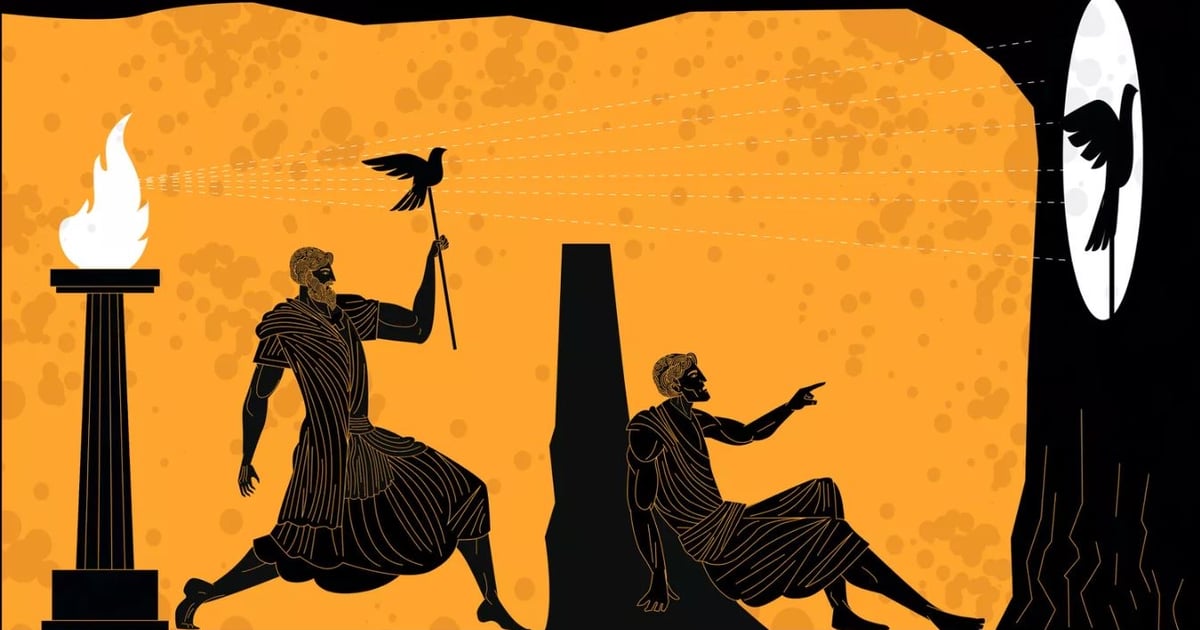
People mistake the absence of pain for pleasure, like prisoners thinking the middle of a cave is the top
Development
Extends the cave allegory to show how we deceive ourselves about what makes us happy
In Your Life:
Thinking a day without crisis is good when you've never experienced real peace
Internal Order
In This Chapter
Justice means the human ruling with the lion's help over the beast - proper hierarchy within the soul
Development
Crystallizes the entire book's argument: external justice mirrors internal order
In Your Life:
Your worst days are when your emotions run your decisions instead of your thinking mind
Compound Effects
In This Chapter
The tyrannical person develops gradually - from rebellious youth to indulgent adult to enslaved tyrant
Development
Shows how the character types aren't fixed but evolve through accumulated choices
In Your Life:
That 'harmless' habit that now controls your evenings started with 'just this once'
You now have the context. Time to form your own thoughts.
Discussion Questions
This is not a test. Five prompts guide you through the chapter, from how it opens to how it closes, so you notice context and rhythm rather than facts to memorize. Sit with each question in your own words. When you see "One way to read it," treat it as a starting point, not the only answer.
- 1
What appetites does Socrates say emerge when reason is asleep?
analysis • surfaceOne way to read it
Lawless desires that imagine every folly or crime without shame, as in dreams.
- 2
How does the democratic man's son become tyrannical?
analysis • mediumOne way to read it
Raised strictly, he rebels into total license; erotic obsession and lawless appetite eventually master him.
- 3
What does Plato mean by the beast, the lion, and the human in the soul?
application • mediumOne way to read it
Appetite, spirited anger or pride, and reason; justice requires reason to rule with spirit's help over appetite.
- 4
When have small concessions to a habit or impulse led to a larger loss of control?
application • deepOne way to read it
Examples include spending, scrolling, anger, or substance use where each small yes made the next refusal harder.
- 5
Why does Plato say the tyrant is miserable even with absolute power?
reflection • deepOne way to read it
He is enslaved by fear and insatiable desire, trusting no one and ruled by appetite; outward power masks inner bondage.
Critical Thinking Exercise
Track Your Inner Kingdom
For the next week, keep a simple log of your daily choices. Mark each significant decision with B (fed the beast), H (fed the human), or L (fed the lion). At the end of each day, tally them up. Don't judge yourself - just observe the pattern. Which creature is winning in your inner kingdom?
Consider:
- •The beast isn't just obvious vices - it includes procrastination, gossip, and avoiding hard conversations
- •The lion can be positive (standing up for yourself) or negative (losing your temper)
- •Small choices count - hitting snooze vs getting up, scrolling vs reading, complaining vs problem-solving
Journaling Prompt
After tracking for a week, write about one area where the beast has been winning. What would it look like if the human took charge instead? What specific systems could you set up to make that easier?
Coming Up Next...
Chapter 10: The Cave's Exit and Soul's Journey
Plato returns to poetry's danger to the soul, revealing why even beloved Homer must be excluded from the ideal state. The conversation then turns to the ultimate question - what happens to just and unjust souls after death..