Master this chapter. Complete your experience
Purchase the complete book to access all chapters and support classic literature
As an Amazon Associate, we earn a small commission from qualifying purchases at no additional cost to you.
Available in paperback, hardcover, and e-book formats
Why This Matters
Connect literature to life
This chapter teaches how to identify the informal networks that exist within every formal hierarchy, and how oppressive systems inadvertently create the conditions for their own resistance.
Practice This Today
This week, notice the unofficial communication channels in your workplace—who really knows what's happening, who protects whom, and where the real decision-making happens outside the official meetings.
Now let's explore the literary elements.
Key Quotes & Analysis
"I was a suspect—a word of fear that all revolutionists were soon to come to know."
Context: Explaining why she was held in prison for six months without charges
This shows how authoritarian governments create legal categories that strip away basic rights. The word 'suspect' becomes a weapon that requires no evidence, only suspicion of disloyalty.
In Today's Words:
They could lock you up just for being on their bad side—no trial, no charges, nothing.
"Throughout the organization of the Oligarchy, our own organization, weblike and spidery, was insinuating itself."
Context: Describing how revolutionaries infiltrated the Iron Heel's power structure
The spider web metaphor shows how effective resistance works—not through direct confrontation, but by quietly building connections throughout the enemy's own system.
In Today's Words:
We were getting our people everywhere in their system, like a web spreading through everything they controlled.
"Since imprisonment proved no bar to our activities, it was decided to avoid anything premature."
Context: Explaining why imprisoned leaders didn't attempt escape
This reveals sophisticated strategic thinking—sometimes the appearance of defeat can be more useful than dramatic gestures. They turn imprisonment into an advantage by maintaining operations from within.
In Today's Words:
We were getting stuff done even from jail, so why rock the boat with some flashy escape attempt?
Thematic Threads
Identity
In This Chapter
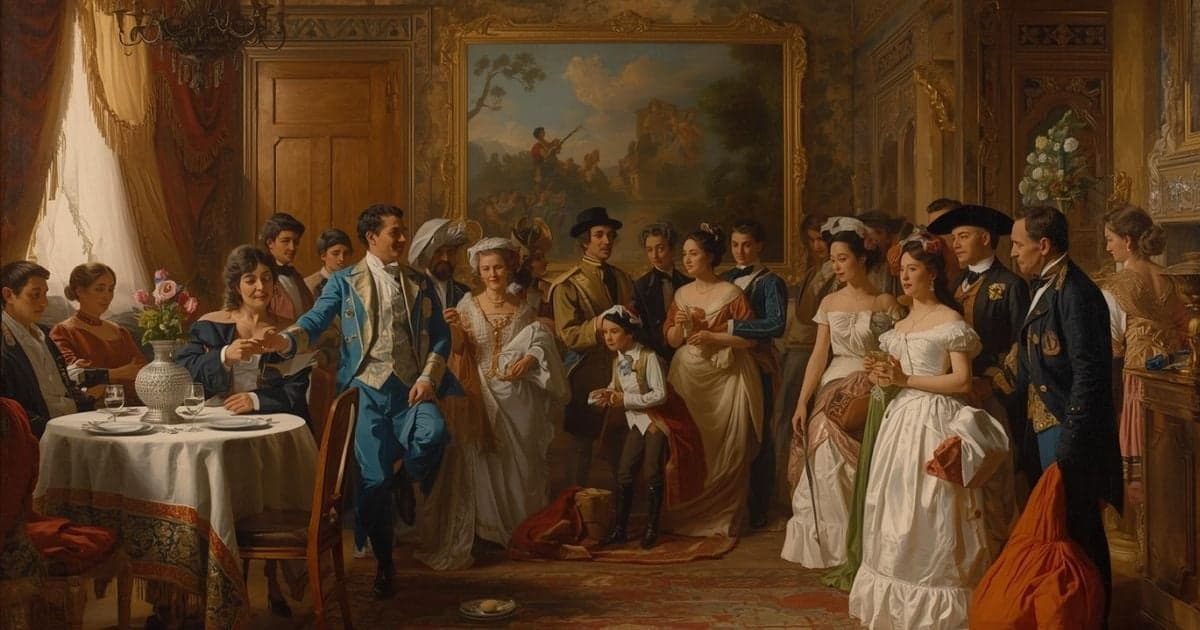
Avis completely transforms into 'Felice Van Verdighan,' adopting the mannerisms and lifestyle of the wealthy class she opposes
Development
Evolved from earlier themes of class consciousness—now identity becomes a strategic tool rather than just social position
In Your Life:
You might need to 'code-switch' at work, adopting the language and behavior expected in professional settings while maintaining your true values.
Networks
In This Chapter
Prison guards, doctors, and officials secretly work for the revolution, creating hidden communication channels
Development
Introduced here as a new theme showing how resistance organizes itself
In Your Life:
In any difficult situation, there are usually allies you haven't identified yet—look for the people who seem sympathetic or frustrated with the system.
Camouflage
In This Chapter
The revolutionary hideout is located on the estate of oligarch Wickson—hiding in the last place enemies would look
Development
Builds on earlier themes of deception but adds the strategic element of using proximity to power as protection
In Your Life:
Sometimes the safest place to be yourself is where others least expect it—like finding your real community in an unlikely setting.
Class
In This Chapter
The absurd luxury of having a maid for a lap dog highlights the grotesque inequality and waste of the oligarchy
Development
Continues the class critique but now shows how extreme wealth becomes a kind of performance that can be mimicked
In Your Life:
You might notice how certain status symbols are really just performances that reveal more about insecurity than actual power.
Loyalty
In This Chapter
John Carlson and other ordinary workers provide crucial support through quiet, daily acts of courage
Development
Expands from romantic loyalty to show how revolutions depend on countless small acts of solidarity
In Your Life:
Real change often comes from people like you doing small, brave things consistently rather than waiting for heroes to save the day.
You now have the context. Time to form your own thoughts.
Discussion Questions
- 1
How did the revolutionaries manage to communicate and organize even while imprisoned by the Iron Heel?
analysis • surface - 2
Why was Avis's disguise as a wealthy woman with a maid for her lap dog so effective at fooling the authorities?
analysis • medium - 3
Where do you see informal networks forming today to work around official systems that aren't serving people well?
application • medium - 4
If you needed to 'hide in plain sight' in a difficult situation, what identity or role would people least expect you to adopt?
application • deep - 5
What does this chapter reveal about how resistance movements survive and grow even under extreme oppression?
reflection • deep
Critical Thinking Exercise
Map Your Shadow Networks
Think about a challenging situation you're currently facing - at work, school, or in your community. Draw a simple map showing the official power structure, then add the informal networks that actually make things happen. Who are the sympathizers in positions of access? What communication channels exist outside official ones? Where might you find unexpected allies?
Consider:
- •Look for people who witness problems daily but can't speak up officially
- •Consider who has access to information or resources that could help
- •Think about what 'disguise' or role would give you the most freedom to operate
Journaling Prompt
Write about a time when you had to work around an official system to get something important done. What informal networks or creative strategies did you use? What did you learn about how power really works?
Coming Up Next...
Chapter 19: Becoming Someone Else
With her refuge established, Avis prepares for Ernest's arrival and the next phase of their resistance. But the Iron Heel's grip is tightening, and the revolutionaries must adapt their strategies to survive in an increasingly dangerous world.