Master this chapter. Complete your experience
Purchase the complete book to access all chapters and support classic literature
As an Amazon Associate, we earn a small commission from qualifying purchases at no additional cost to you.
Available in paperback, hardcover, and e-book formats
Why This Matters
Connect literature to life
This chapter teaches how to identify when people deflect from uncomfortable truths by attacking the truth-teller's character or delivery.
Practice This Today
This week, notice when someone responds to criticism by focusing on how you said it rather than what you said - that's deflection in action.
Now let's explore the literary elements.
Key Quotes & Analysis
"I am first of all a workingman. I was born in the working class, and I have worked with my hands for my living."
Context: Ernest establishes his credentials when challenged by the ministers
This quote shows Ernest's pride in his working-class identity and how he uses it as a source of authority. Unlike the ministers who speak about workers theoretically, Ernest has lived their reality and earned the right to speak for them.
In Today's Words:
I actually come from the world I'm talking about - I've lived this life, not just studied it.
"You have studied the books. I have studied life."
Context: Contrasting his experience with the ministers' academic knowledge
Ernest draws a sharp line between theoretical knowledge and lived experience. This becomes his main weapon against the educated elite - he's not anti-intellectual, but he insists that real understanding comes from actual experience, not just reading.
In Today's Words:
You learned about this stuff in school - I learned it by actually living it.
"The point is that you do not know the working class. You are not in touch with it."
Context: Challenging the ministers' claims to understand working people
This exposes the fundamental problem with privileged people trying to speak for the working class. Ernest argues that good intentions aren't enough - without real connection to working-class life, their understanding is fatally flawed.
In Today's Words:
You don't actually know these people you're trying to help - you're completely out of touch.
"I shall prove to you that you know neither the one nor the other."
Context: Promising to demonstrate the ministers' ignorance of both philosophy and the working class
Ernest's confidence here shows he's not intimidated by their education or social position. He's about to systematically dismantle their arguments using both intellectual rigor and practical knowledge they lack.
In Today's Words:
I'm going to show you that you don't know what you're talking about on either count.
Thematic Threads
Class
In This Chapter
Ernest's working-class background becomes a weapon used against his intellectual arguments
Development
Introduced here as central tension
In Your Life:
Your background or job title gets used to dismiss your valid points in meetings or family discussions.
Authority
In This Chapter
The ministers expect deference based on their positions, not their arguments
Development
Introduced here
In Your Life:
Bosses, doctors, or family members expect you to accept their word without question because of their role.
Intellectual Honesty
In This Chapter
Ernest demands concrete facts while the ministers prefer abstract theories
Development
Introduced here
In Your Life:
You notice when people use big words and complex theories to avoid addressing simple, uncomfortable realities.
Social Expectations
In This Chapter
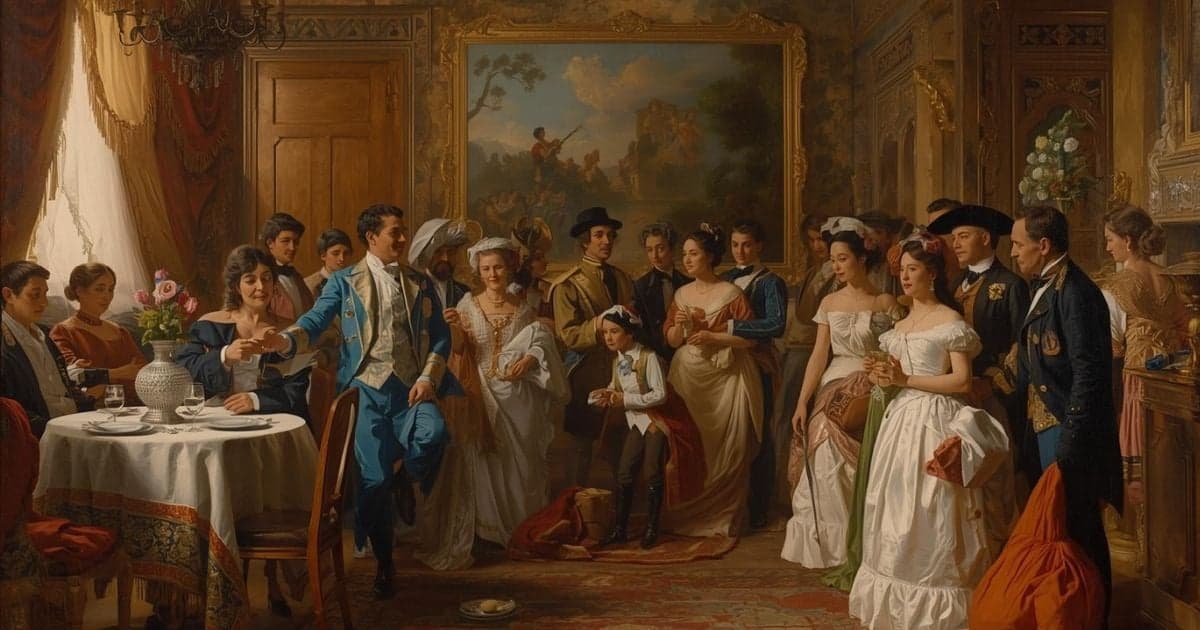
The dinner party has unspoken rules about polite conversation that Ernest violates
Development
Introduced here
In Your Life:
You feel pressure to stay quiet about problems to keep peace, even when speaking up might help.
Recognition
In This Chapter
Avis begins to see Ernest's power and the ministers' weakness
Development
Introduced here
In Your Life:
You start noticing who actually knows what they're talking about versus who just sounds impressive.
You now have the context. Time to form your own thoughts.
Discussion Questions
- 1
What specific tactics does Ernest use to challenge the ministers, and how do they respond to his arguments?
analysis • surface - 2
Why do the ministers attack Ernest's manner of speaking rather than addressing his facts about poverty and working conditions?
analysis • medium - 3
Think of a time when someone dismissed your concerns by criticizing how you said something rather than what you said. What was really happening?
application • medium - 4
If you were in Ernest's position at that dinner table, how would you balance speaking truth with maintaining relationships?
application • deep - 5
What does this dinner scene reveal about how people protect their worldview when confronted with uncomfortable truths?
reflection • deep
Critical Thinking Exercise
Map the Comfort Zone Defense
Think of a recent disagreement where someone criticized your tone or approach instead of addressing your actual point. Write down what you said, how they responded, and what they might have been protecting. Then flip it: recall a time when you attacked someone's delivery to avoid dealing with their uncomfortable message.
Consider:
- •Notice the difference between attacking the message versus attacking the messenger
- •Consider what comfort or position the person might be defending
- •Think about whether the 'tone policing' was genuine concern or deflection
Journaling Prompt
Write about a truth you need to speak but have been avoiding because you know it will make others uncomfortable. What are you protecting by staying silent, and what might change if you found the courage to speak up?
Coming Up Next...
Chapter 2: The Challenge Accepted
The intellectual battle continues as Ernest faces new challenges from the dinner guests. His radical ideas about society and class will force Avis to question everything she's been taught about the world around her.