Wide Reads
Literature MattersLife IndexEducators
Sign in
Where to Begin
War and Peace - The War Council's Deadly Dance

Leo Tolstoy

War and Peace

The War Council's Deadly Dance

Home›Books›War and Peace›Chapter 61
Previous
61 of 361
Next

Summary

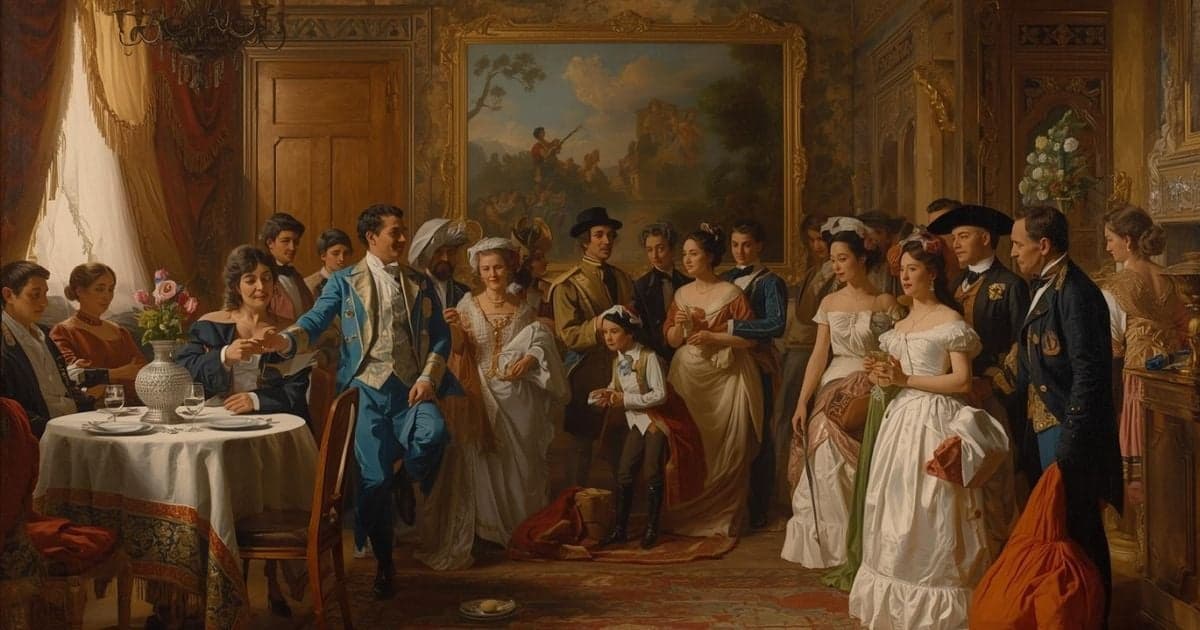
In a castle near the battlefield, military leaders gather for a war council that reveals the deadly politics of command. Weyrother, the Austrian strategist, presents an overly complex battle plan with the confidence of someone who's never been questioned. Meanwhile, Kutuzov, the experienced Russian commander, literally sleeps through the presentation—a pointed act of contempt that speaks volumes about what he thinks of the plan. The other generals respond with varying degrees of skepticism and politeness, but no one can effectively challenge the momentum toward what seems like a doomed attack. Prince Andrew watches this bureaucratic theater with growing horror, realizing that thousands of lives hang on decisions made by men more concerned with protocol than strategy. After the meeting, Andrew confronts his own dark motivations—he admits to himself that he craves glory above all else, even above the lives of those he loves most. This brutal self-honesty reveals the seductive power of ambition and how it can corrupt even good people. The chapter exposes how institutional dysfunction and personal ego create perfect storms of disaster. When hierarchy prevents honest feedback and when planners are insulated from consequences, catastrophe becomes inevitable. Andrew's internal struggle shows how the desire for recognition can override our better angels, making us complicit in systems we know are broken.

Coming Up in Chapter 62

As dawn approaches, the elaborate battle plan begins to unfold on the field. But reality has a way of destroying even the most detailed strategies, and the fog of war will soon reveal which leaders truly understand the cost of their decisions.

Share it with friends

Previous ChapterNext Chapter
GO ADS FREE — JOIN US
Original text
complete·2,351 words
S

hortly after nine o’clock that evening, Weyrother drove with his plans to Kutúzov’s quarters where the council of war was to be held. All the commanders of columns were summoned to the commander in chief’s and with the exception of Prince Bagratión, who declined to come, were all there at the appointed time.

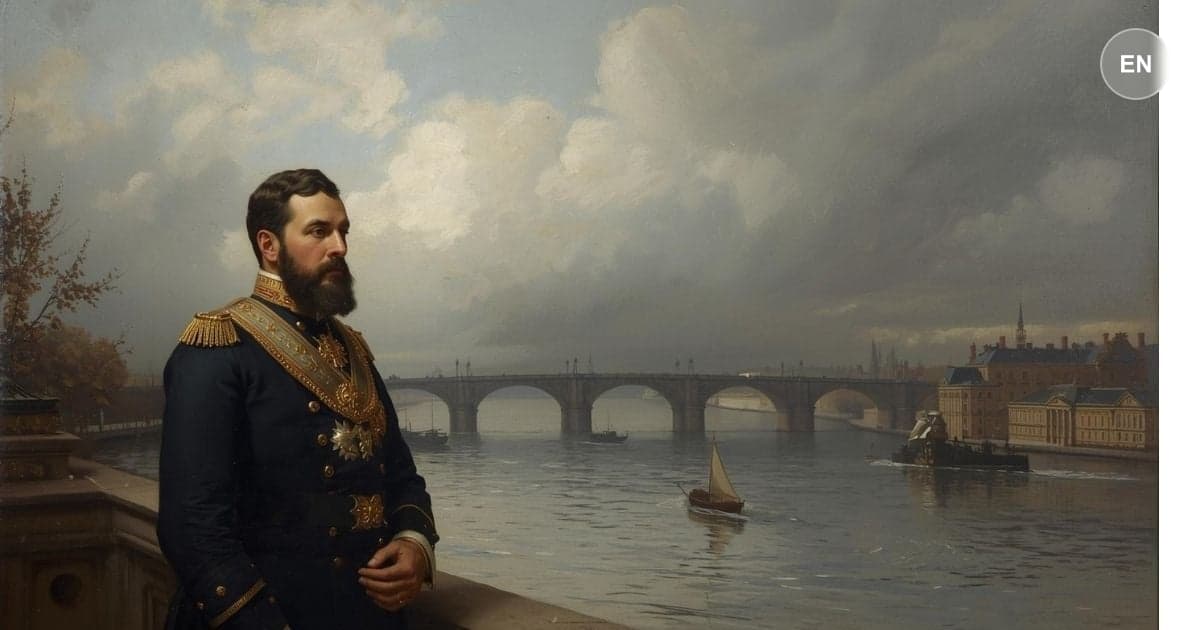
Weyrother, who was in full control of the proposed battle, by his eagerness and briskness presented a marked contrast to the dissatisfied and drowsy Kutúzov, who reluctantly played the part of chairman and president of the council of war. Weyrother evidently felt himself to be at the head of a movement that had already become unrestrainable. He was like a horse running downhill harnessed to a heavy cart. Whether he was pulling it or being pushed by it he did not know, but rushed along at headlong speed with no time to consider what this movement might lead to. Weyrother had been twice that evening to the enemy’s picket line to reconnoiter personally, and twice to the Emperors, Russian and Austrian, to report and explain, and to his headquarters where he had dictated the dispositions in German, and now, much exhausted, he arrived at Kutúzov’s.

1 / 13

Master this chapter. Complete your experience

Purchase the complete book to access all chapters and support classic literature

Read Free on GutenbergBuy at Powell'sBuy on Amazon

As an Amazon Associate, we earn a small commission from qualifying purchases at no additional cost to you.

Available in paperback, hardcover, and e-book formats

GO ADS FREE — JOIN US

Why This Matters

Connect literature to life

Skill: Reading Power Dynamics

This chapter teaches how to identify when decision-makers are insulated from the consequences of their choices.

Practice This Today

This week, notice when someone proposes a solution they won't personally experience—ask yourself who benefits and who pays the price.

GO ADS FREE — JOIN US

Now let's explore the literary elements.

Key Quotes & Analysis

"He was like a horse running downhill harnessed to a heavy cart. Whether he was pulling it or being pushed by it he did not know, but rushed along at headlong speed with no time to consider what this movement might lead to."

— Narrator

Context: Describing Weyrother's frantic energy as he prepares for battle

This metaphor perfectly captures how bureaucratic momentum can carry people toward disaster. Weyrother has become trapped by his own process, unable to step back and question whether he's making the right choices.

In Today's Words:

He was caught up in his own hype and couldn't hit the brakes even if he wanted to.

"The old man's drowsiness and lack of interest were even more striking in contrast to the restless energy of the Austrian."

— Narrator

Context: Contrasting Kutuzov's apparent disengagement with Weyrother's enthusiasm

Kutuzov's sleepiness isn't weakness - it's wisdom disguised as indifference. He knows the plan is doomed but can't say so directly, so he shows his contempt through body language.

In Today's Words:

The old guy checking out during the presentation wasn't tired - he was done with this nonsense.

"Yes, I want glory, I want to be known to men, I want to be loved by them."

— Prince Andrew

Context: Andrew's honest self-reflection after the council

This brutal self-honesty reveals how the desire for recognition can override our moral compass. Andrew admits that his ambition matters more to him than the lives at stake, showing how good people can become complicit in bad systems.

In Today's Words:

I want people to notice me and think I'm special, even if it means stepping on others.

Thematic Threads

Power

In This Chapter

Military hierarchy prevents honest feedback about a doomed battle plan

Development

Introduced here

In Your Life:

You might see this when your manager makes policies they'll never have to follow.

Pride

In This Chapter

Weyrother's arrogance blinds him to flaws in his strategy

Development

Introduced here

In Your Life:

You might catch yourself defending bad decisions just because they were your ideas.

Identity

In This Chapter

Andrew realizes his craving for glory corrupts his judgment about what matters

Development

Building from earlier chapters where Andrew sought meaning

In Your Life:

You might recognize moments when wanting to look good overrides doing good.

Class

In This Chapter

Officers make life-and-death decisions while soldiers bear all consequences

Development

Continuing theme of social hierarchy determining fate

In Your Life:

You might notice how those making rules rarely have to live under them.

Human Relationships

In This Chapter

Andrew's ambition threatens his love for family and friends

Development

Evolving from earlier focus on social connections

In Your Life:

You might see how career ambition can make you sacrifice relationships that actually matter.

GO ADS FREE — JOIN US

You now have the context. Time to form your own thoughts.

Discussion Questions

  1. 1

    What does Kutuzov's decision to sleep through the presentation tell us about his opinion of the battle plan?

    analysis • surface
  2. 2

    Why can't the generals who disagree with Weyrother's plan speak up directly, and what does this reveal about how power works in their system?

    analysis • medium
  3. 3

    Where do you see this same pattern today—people making decisions they won't have to live with while those affected have no voice?

    application • medium
  4. 4

    Prince Andrew admits he wants glory more than he wants his family safe. What does this tell us about how ambition can corrupt even good people?

    reflection • deep
  5. 5

    If you were in a meeting where you knew the plan was wrong but couldn't speak up directly, what strategies would you use to protect yourself and others?

    application • deep

Critical Thinking Exercise

10 minutes

Map the Decision-Consequence Gap

Think of a recent decision that affected you—at work, school, or in your community. Draw two columns: 'Who Made the Decision' and 'Who Lives with the Results.' Fill in both sides, then analyze what happens when these groups don't overlap. This exercise helps you spot dangerous power dynamics before they hurt you.

Consider:

  • •Look for situations where decision-makers are insulated from consequences
  • •Notice how people behave differently when their own skin isn't in the game
  • •Consider what incentives really drive the decision-makers' choices

Journaling Prompt

Write about a time when you had to live with someone else's risk-free decision. How did it affect you? What would you do differently if you faced that situation again?

GO ADS FREE — JOIN US

Coming Up Next...

Chapter 62: Night Watch and Napoleon's Fire

As dawn approaches, the elaborate battle plan begins to unfold on the field. But reality has a way of destroying even the most detailed strategies, and the fog of war will soon reveal which leaders truly understand the cost of their decisions.

Continue to Chapter 62
Previous
The Clock Begins to Tick
Contents
Next
Night Watch and Napoleon's Fire

Continue Exploring

War and Peace Study GuideTeaching ResourcesEssential Life IndexBrowse by ThemeAll Books
Power & CorruptionLove & RelationshipsIdentity & Self-Discovery

You Might Also Like

Anna Karenina cover

Anna Karenina

Leo Tolstoy

Also by Leo Tolstoy

The Idiot cover

The Idiot

Fyodor Dostoevsky

Explores love & romance

Moby-Dick cover

Moby-Dick

Herman Melville

Explores mortality & legacy

Dracula cover

Dracula

Bram Stoker

Explores love & romance

Browse all 47+ books
GO ADS FREE — JOIN US

Share This Chapter

Know someone who'd enjoy this? Spread the wisdom!

TwitterFacebookLinkedInEmail

Read ad-free with Prestige

Get rid of ads, unlock study guides and downloads, and support free access for everyone.

Subscribe to PrestigeCreate free account
Intelligence Amplifier
Intelligence Amplifier™Powering Wide Reads

Exploring human-AI collaboration through books, essays, and philosophical dialogues. Classic literature transformed into navigational maps for modern life.

2025 Books

→ The Amplified Human Spirit→ The Alarming Rise of Stupidity Amplified→ San Francisco: The AI Capital of the World
Visit intelligenceamplifier.org
hello@widereads.com

WideReads Originals

→ You Are Not Lost→ The Last Chapter First→ The Lit of Love→ Wealth and Poverty→ 10 Paradoxes in the Classics · coming soon
Arvintech
arvintechAmplify your Mind
Visit at arvintech.com

Navigate

  • Home
  • Library
  • Essential Life Index
  • How It Works
  • Subscribe
  • Account
  • About
  • Contact
  • Authors
  • Suggest a Book
  • Landings

Made For You

  • Students
  • Educators
  • Families
  • Readers
  • Literary Analysis
  • Finding Purpose
  • Letting Go
  • Recovering from a Breakup
  • Corruption
  • Gaslighting in the Classics

Newsletter

Weekly insights from the classics. Amplify Your Mind.

Legal

  • Privacy Policy
  • Terms of Service
  • Cookie Policy
  • Accessibility

Why Public Domain?

We focus on public domain classics because these timeless works belong to everyone. No paywalls, no restrictions—just wisdom that has stood the test of centuries, freely accessible to all readers.

Public domain books have shaped humanity's understanding of love, justice, ambition, and the human condition. By amplifying these works, we help preserve and share literature that truly belongs to the world.

A Pilgrimage

Powell's City of Books

Portland, Oregon

If you ever find yourself in Portland, walk to the corner of Burnside and 10th. The building takes up an entire city block. Inside is over a million books, new and used on the same shelf, organized by color-coded rooms with names like the Rose Room and the Pearl Room. You can lose an afternoon. You can lose a weekend. You will find a book you have been looking for your whole life, and three you did not know existed.

It is a pilgrimage. We cannot find a bookstore like it anywhere on earth. If you read the classics, and you ever get the chance, go. It belongs on every reader's bucket list.

Visit powells.com

We are not in any way affiliated with Powell's. We are just a very big fan.

© 2026 Wide Reads™. All Rights Reserved.

Intelligence Amplifier™ and Wide Reads™ are proprietary trademarks of Arvin Lioanag.

Copyright Protection: All original content, analyses, discussion questions, pedagogical frameworks, and methodology are protected by U.S. and international copyright law. Unauthorized reproduction, distribution, web scraping, or use for AI training is strictly prohibited. See our Copyright Notice for details.

Disclaimer: The information provided on this website is for general informational and educational purposes only and does not constitute professional, legal, financial, or technical advice. While we strive to ensure accuracy and relevance, we make no warranties regarding completeness, reliability, or suitability. Any reliance on such information is at your own risk. We are not liable for any losses or damages arising from use of this site. By using this site, you agree to these terms.