Master this chapter. Complete your experience
Purchase the complete book to access all chapters and support classic literature

As an Amazon Associate, we earn a small commission from qualifying purchases at no additional cost to you.
Available in paperback, hardcover, and e-book formats
Why This Matters
Connect literature to life
This chapter teaches how to distinguish between genuine care and going through the motions in family relationships.
Practice This Today
This week, notice when you're saying what you're supposed to say versus what you actually feel—then try sharing one real emotion with someone safe.
Now let's explore the literary elements.
Key Quotes & Analysis
"When starting on a journey or changing their mode of life, men capable of reflection are generally in a serious frame of mind."
Context: As Andrew prepares for war, pacing his room thoughtfully
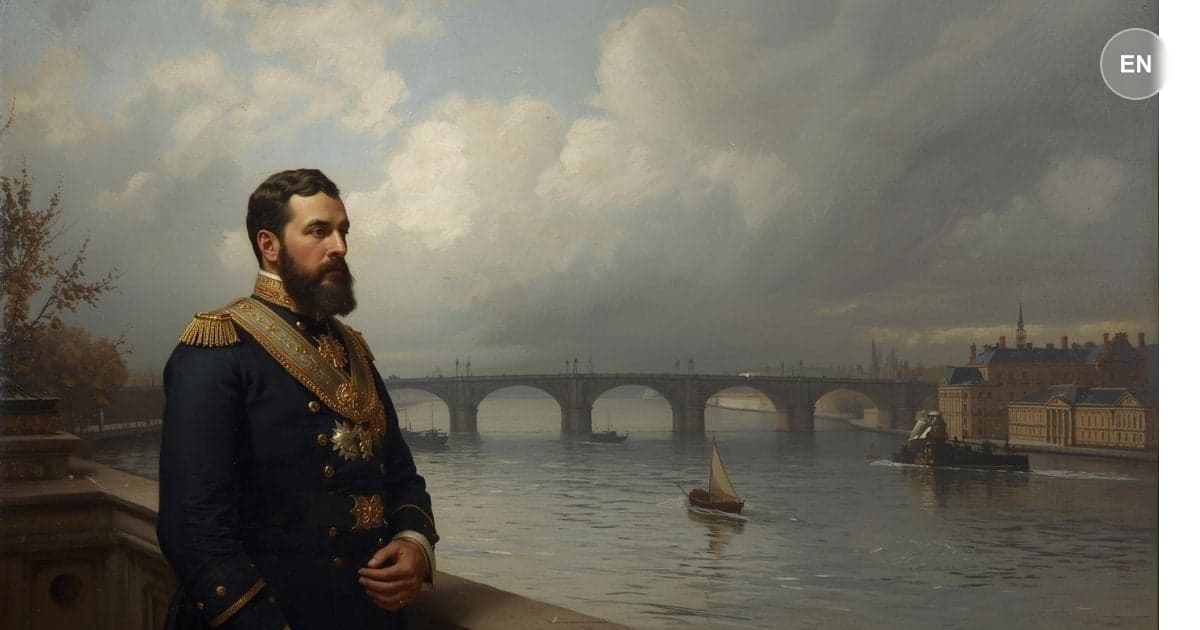
Tolstoy reveals how major life transitions force us to confront our deeper thoughts and feelings. Andrew's careful packing is really about processing the enormity of what he's facing - possible death, leaving family, escaping an unhappy marriage.
In Today's Words:
Big life changes make you think about everything - your past, your future, what really matters.
"Did he fear going to the war, or was he sad at leaving his wife?—perhaps both, but evidently he did not wish to be seen in that mood."
Context: Observing Andrew's private moment of vulnerability before others arrive
This captures the complexity of Andrew's emotions and his need to maintain composure. He's facing multiple fears - death in battle and the emptiness of his marriage - but social expectations require him to hide these feelings.
In Today's Words:
He was scared and sad about multiple things, but didn't want anyone to see him falling apart.
"All these traveling effects of Prince Andrew's were in very good order: new, clean, and in cloth covers carefully tied with tapes."
Context: Describing Andrew's meticulous preparation for departure
The obsessive attention to material details reveals Andrew's attempt to control what he can when facing the uncontrollable. His careful organization of belongings represents his need for order in the face of chaos and uncertainty.
In Today's Words:
Everything was perfectly organized and spotless - the way people clean house when their life is falling apart.
Thematic Threads
Class
In This Chapter
Aristocratic duty requires emotional restraint - Andrew must be proper even when his heart is elsewhere
Development
Evolved from earlier chapters showing how class expectations shape personal behavior
In Your Life:
You might feel pressured to act 'professional' even when you're struggling personally at work.
Identity
In This Chapter
Andrew struggles between who he's supposed to be (dutiful husband/son) and who he actually is (skeptical, distant)
Development
Deepened from his earlier social interactions to now affect intimate family relationships
In Your Life:
You might find yourself playing different versions of yourself with different people instead of being authentic.
Social Expectations
In This Chapter
Family rituals (the icon, formal goodbyes) carry weight beyond their participants' actual beliefs
Development
Extended from party manners to family dynamics and religious observance
In Your Life:
You might go through holiday traditions or family customs that feel empty but seem too important to others to skip.
Human Relationships
In This Chapter
Love exists but can't be expressed directly - shown through Mary's desperate peacemaking and the father's hidden terror
Development
Introduced here as counterpoint to the shallow social connections shown earlier
In Your Life:
You might struggle to say 'I love you' or 'I'm scared' to the people who matter most.
Personal Growth
In This Chapter
Andrew's self-awareness about his loveless marriage shows growth, but he still can't act on that knowledge
Development
Building from his earlier social observations to deeper self-reflection
In Your Life:
You might recognize patterns in your life but feel stuck about how to change them.
You now have the context. Time to form your own thoughts.
Discussion Questions
- 1
What does Andrew's behavior toward each family member reveal about his emotional state as he prepares for war?
analysis • surface - 2
Why do you think Andrew accepts Mary's religious icon even though he doesn't share her faith?
analysis • medium - 3
Where do you see this pattern of 'going through the motions' in modern relationships - at work, home, or in friendships?
application • medium - 4
When someone is emotionally distant but still fulfilling their duties, how can you tell the difference between genuine care and performance?
application • deep - 5
What does this chapter suggest about why people sometimes find it hardest to be honest with the people who know them best?
reflection • deep
Critical Thinking Exercise
Rewrite the Goodbye Scene
Choose one of Andrew's goodbye conversations (with Mary, his father, or Lise) and rewrite it as if both people decided to drop their emotional defenses and speak honestly about their fears. What would they actually say if they weren't protecting themselves or performing their roles?
Consider:
- •What is each person really afraid of beneath their polite or dutiful words?
- •How might the relationship change if they spoke these truths out loud?
- •What risks would they be taking by being completely honest?
Journaling Prompt
Write about a time when you went through the motions in an important relationship instead of being real. What were you protecting yourself from? What might have happened if you had been completely honest?
Coming Up Next...
Chapter 29: The Inspection That Backfired
The scene shifts to the broader canvas of war as we enter Book Two, where personal dramas intersect with the grand sweep of history. The intimate family dynamics we've witnessed will soon collide with the chaos of 1805's military campaigns.