Chapter 29
The Inspection That Backfired
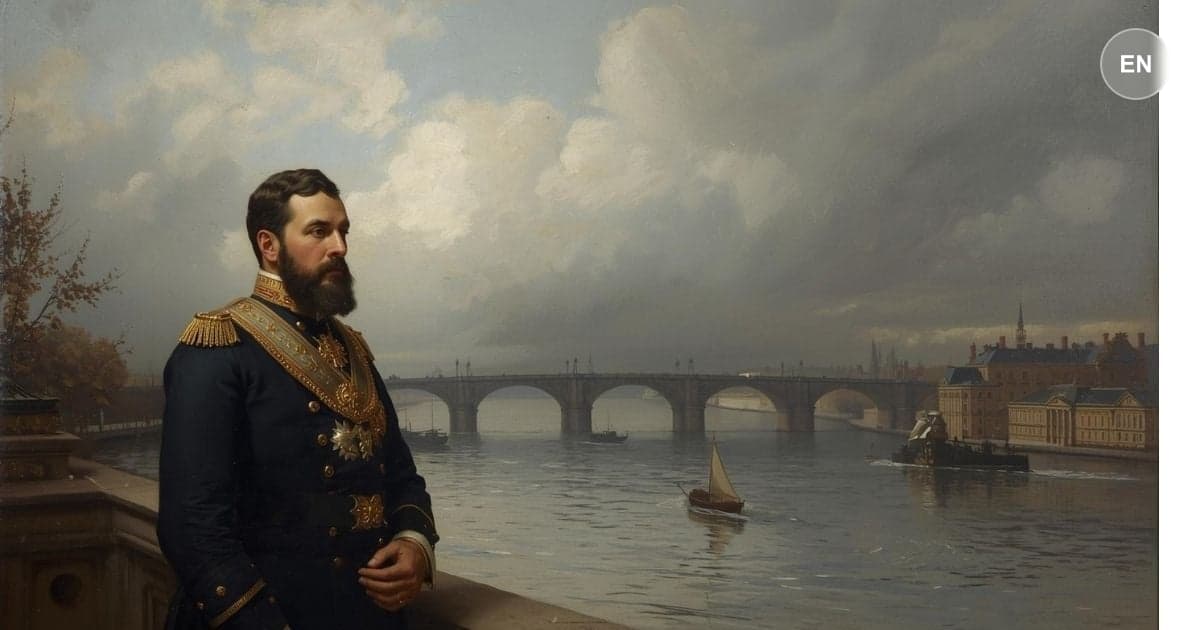
In October, 1805, a Russian army was occupying the villages and towns of the Archduchy of Austria, and yet other regiments freshly arriving from Russia were settling near the fortress of Braunau and burdening the inhabitants on whom they were quartered. Braunau was the headquarters of the commander in chief, Kutúzov. On October 11, 1805, one of the infantry regiments that had just reached Braunau had halted half a mile from the town, waiting to be inspected by the commander in chief. Despite the un-Russian appearance of the locality and surroundings—fruit gardens, stone fences, tiled roofs, and hills in the…
Public-domain chapter text, formatted for reading.
Master this chapter. Complete your experience
Purchase the complete book to access all chapters and support classic literature

Available in paperback, hardcover, and e-book formats
Now let's explore the literary elements.
Key Quotes & Analysis
"it is always better to “bow too low than not bow low enough.”"
Context: Battalion commanders choose parade order when the order is unclear
Over-compliance feels safe until the real agenda arrives. The regiment pays in sleep and sweat.
In Today's Words:
Officers decide it is safer to over-prepare than under-prepare when orders are vague. That guess costs exhausted people a whole night of mending and cleaning. In your workplace, when leadership is unclear, ask what story they need told before you polish the wrong version for the visitor.
"A fine mess we’ve made of it!”"
Context: He learns Kutuzov wanted greatcoats, not parade dress
The wrong kind of excellence becomes embarrassment in one sentence.
In Today's Words:
The colonel admits they prepared the wrong way. All that cleaning was for a misunderstanding of the commander's intent. When a boss wanted reality and you brought theater, no amount of effort earns praise. Learn the objective before you spend the team on the wrong excellence.
"You will soon be dressing your men in petticoats! What is this?"
Context: He spots Dolokhov's blue greatcoat in the ranks
Rage at the wrong target escalates fast when a leader feels exposed.
In Today's Words:
The general shames a captain over one soldier's blue coat. Public fury often means the leader fears looking foolish upstairs. Before you pile on a subordinate, check whether your anger is about the coat or about your own inspection mistake. Rage at the wrong target is confession.
"Not bound to endure insults,"
Context: He interrupts the colonel's abuse in front of the ranks
Dolokhov trades rank for dignity. His clarity stops the performance of power.
In Today's Words:
Dolokhov says he must obey orders but will not endure insults. That line still ends bullying when rank is used as license. You do not need his nerve to ask whether humiliation is part of the job or an abuse of it. Dignity named aloud has no easy comeback.
Thematic Threads
Misread Command
In This Chapter
Officers choose parade dress; Kutuzov wanted greatcoats to show Austrian allies worn boots
Development
Opens Book Two's war thread with institutional comedy and real need
In Your Life:
You might over-prepare a report while the boss wanted a honest problem list.
Dignity Under Rank
In This Chapter
Dolokhov in a blue coat refuses insult though he serves as a private
Development
Introduces Dolokhov's defiance before Kutuzov meets him
In Your Life:
You might watch a demoted colleague draw a line everyone else feared to draw.
You now have the context. Time to form your own thoughts.
Discussion Questions
This is not a test. Five prompts guide you through the chapter, from how it opens to how it closes, so you notice context and rhythm rather than facts to memorize. Sit with each question in your own words. When you see "One way to read it," treat it as a starting point, not the only answer.
- 1
Why do the battalion commanders choose parade order?
analysis • surfaceOne way to read it
The original order was unclear and over-preparing feels safer than under-preparing.
- 2
What is Kutuzov's likely reason for wanting greatcoats and worn boots?
analysis • mediumOne way to read it
He wants Austrian allies to see Russian hardship, not parade fiction, before merging armies.
- 3
When have you or your team prepared the wrong version of good work?
application • mediumOne way to read it
Name the metric you polished and the metric leadership actually valued. The gap is the lesson.
- 4
Why does Dolokhov's refusal stop the colonel?
application • deepOne way to read it
Public dignity named aloud has no easy reply. Abuse needs silence; Dolokhov removes it.
- 5
How do ruined boots shape the chapter's argument about war?
reflection • deepOne way to read it
Supply failure sits under polished buttons. Appearance and reality diverge before the first shot.
Critical Thinking Exercise
Map Your Last Big Miscommunication
Think of a recent time when you worked hard on something but completely missed the mark because you misunderstood what was really needed. Write down what you thought was expected, what was actually needed, and the questions you could have asked to bridge that gap.
Consider:
- •Focus on situations where good intentions led to wasted effort, not deliberate mistakes
- •Look for patterns in how miscommunication happens in your workplace or relationships
- •Consider whether the other person was clear about their real needs, or if they were also confused
Journaling Prompt
Write about a time when someone completely misunderstood what you needed from them. How did it feel? What could they have asked to get it right?
Coming Up Next...
Chapter 30: The General's Inspection
The inspection continues as Kutúzov himself arrives, and we'll see how the regiment's hasty costume change plays into the larger political game being played between Russian and Austrian leadership.