

Chapter 250
When Authority Breaks Down
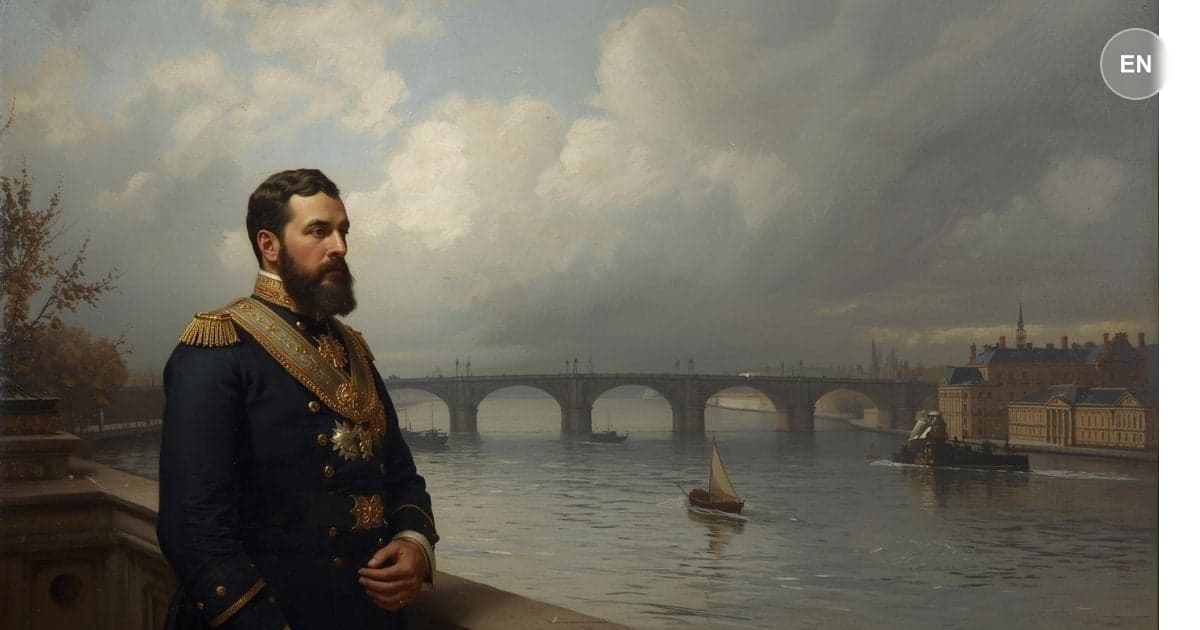
The Russian troops were passing through Moscow from two o’clock at night till two in the afternoon and bore away with them the wounded and the last of the inhabitants who were leaving. The greatest crush during the movement of the troops took place at the Stone, Moskvá, and Yaúza bridges. While the troops, dividing into two parts when passing around the Krémlin, were thronging the Moskvá and the Stone bridges, a great many soldiers, taking advantage of the stoppage and congestion, turned back from the bridges and slipped stealthily and silently past the church of Vasíli the Beatified and…
Public-domain chapter text, formatted for reading.
Critical Thinking Exercise
Spot the System Breakdown
Think of a situation in your life where normal rules seemed to disappear—maybe during a crisis at work, a family emergency, or a community disruption. Map out the three stages: the initial crack that showed authority was overwhelmed, the first person who tested the boundaries, and how quickly others followed. Write down what you learned about people (including yourself) when the usual structure wasn't there.
Consider:
- •People aren't evil when systems break down—they're scared and trying to survive
- •The breakdown usually happens faster than anyone expects
- •Someone always has to step up to restore order, or chaos continues
Journaling Prompt
Write about a time when you had to decide whether to follow your own moral code or go along with what everyone else was doing during a chaotic situation. What did you choose and why?
Master this chapter. Complete your experience
Purchase the complete book to access all chapters and support classic literature

Available in paperback, hardcover, and e-book formats
You Might Also Like


Lessons from War and Peace
Theme-by-theme analyses that connect this book to modern life skills.
Building Authentic Relationships
Watch Natasha's first dance, Anatole's playbook, and the epilogue marriage that includes reproach.
8 chapters·Explore AnalysisEmbracing Simplicity
Start with a tavern in the rain, then Karataev, Nicholas at the plow, and the domestic language after the war.
6 chapters·Explore AnalysisFacing Mortality
Stay with Andrei under the Austerlitz sky, then at Yaroslavl, when pride finally has no work left.
6 chapters·Explore AnalysisFinding Meaning in Chaos
Follow Pierre from the salon and the inheritance through Borodino to Karataev's prison circle, and see purpose arrive when the systems fail.
6 chapters·Explore AnalysisQuestioning Success
Put Pierre's fortune and Hélène's match next to Napoleon in occupied Moscow, and ask what the triumph was for.
6 chapters·Explore AnalysisUnderstanding Free Will vs Fate
Sit with Tolstoy at Borodino and in the Second Epilogue, and watch the great-man story come apart.
6 chapters·Explore Analysis
Deep diving the literary elements.