Wide Reads
Literature MattersLife IndexEducators
Sign in
Where to Begin
War and Peace - The Empty Hive

Leo Tolstoy

War and Peace

The Empty Hive

Home›Books›War and Peace›Chapter 249
Previous
249 of 361
Next

Summary

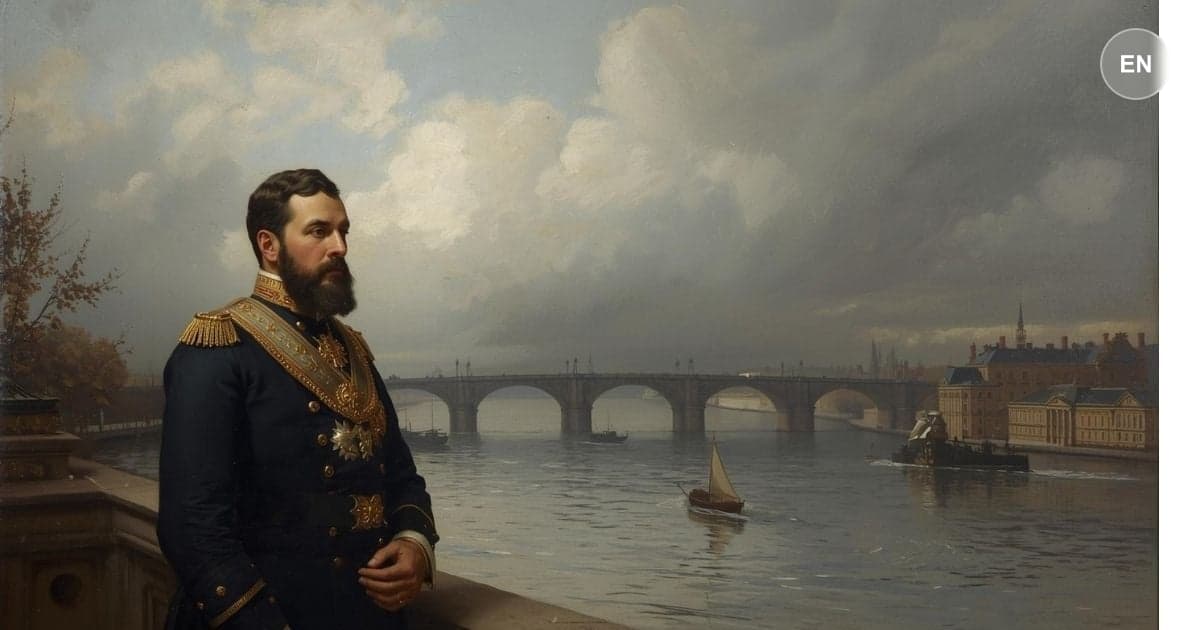
Tolstoy opens with one of literature's most powerful metaphors: Moscow as a dying, queenless hive. Through meticulous detail, he shows us how a beehive looks normal from the outside but reveals total collapse upon closer inspection. The bees still fly in and out, but there's no purpose, no coordination, no life force. Robber bees steal honey while the remaining workers crawl aimlessly, too weak to defend their home. The structure remains, but the spirit is gone. This extended metaphor perfectly captures Moscow's state after most residents fled Napoleon's approach. Napoleon himself paces outside the city, expecting the formal surrender that never comes. When told Moscow is empty, he's genuinely shocked. His grand theatrical moment—the 'coup de théâtre'—has fallen flat. Instead of triumphant entry into a surrendering capital, he faces an abandoned shell. The chapter reveals how devastating it can be when reality doesn't match our expectations, especially when we've built our entire strategy around those expectations. Napoleon's confusion mirrors anyone who's ever prepared for a confrontation that simply doesn't materialize. The empty city becomes a metaphor for hollow victories and the difference between conquering territory and conquering people. Tolstoy shows us that true power lies not in buildings or borders, but in the living spirit of a community—and when that spirit withdraws, even the mightiest conqueror is left holding nothing but empty shells.

Coming Up in Chapter 250

Napoleon must now grapple with an unprecedented situation: what do you do when your enemy refuses to play by the rules of war? His next moves will reveal both his strategic limitations and the Russian strategy's deeper wisdom.

Share it with friends

Previous ChapterNext Chapter
GO ADS FREE — JOIN US
Original text
complete·938 words
M

eanwhile Moscow was empty. There were still people in it, perhaps a fiftieth part of its former inhabitants had remained, but it was empty. It was empty in the sense that a dying queenless hive is empty.

In a queenless hive no life is left though to a superficial glance it seems as much alive as other hives.

1 / 4

Master this chapter. Complete your experience

Purchase the complete book to access all chapters and support classic literature
Read Free on GutenbergBuy at Powell'sBuy on Amazon

As an Amazon Associate, we earn a small commission from qualifying purchases at no additional cost to you.

Available in paperback, hardcover, and e-book formats

GO ADS FREE — JOIN US

Why This Matters

Connect literature to life

Skill: Recognizing Empty Theater Dynamics

This chapter teaches you to spot when someone is performing power for an audience that's already left the building.

Practice This Today

This week, notice when someone keeps escalating a conflict even though the other party has clearly checked out—watch for the moment when engagement becomes performance.

GO ADS FREE — JOIN US

Now let's explore the literary elements.

Key Quotes & Analysis

"Moscow was empty. There were still people in it, perhaps a fiftieth part of its former inhabitants had remained, but it was empty."

— Narrator

Context: Opening description of Moscow after most residents fled Napoleon's approach

This paradox captures how a place can be physically present but spiritually dead. Tolstoy shows that true emptiness isn't about numbers - it's about the absence of life force and community spirit.

In Today's Words:

The office still had some people working there, but everyone knew the company was done for.

"In a queenless hive no life is left though to a superficial glance it seems as much alive as other hives."

— Narrator

Context: Beginning of the extended beehive metaphor for Moscow's condition

This reveals Tolstoy's insight that surface appearances can be completely deceiving. What looks functional from the outside may be completely dead within.

In Today's Words:

From the outside everything looked normal, but anyone who looked closer could tell the heart had gone out of it.

"To the beekeeper's tap on the wall of the sick hive, instead of the former instant unanimous humming of tens of thousands of bees... the only reply is a disconnected buzzing from different parts of the deserted hive."

— Narrator

Context: Detailed comparison showing how the dying hive responds differently to stimuli

This shows how communities in collapse lose their ability to respond collectively. Instead of unified action, there's only scattered, weak individual responses.

In Today's Words:

When you tried to get everyone together for a meeting, instead of the usual energy you just got a few half-hearted responses from random people.

Thematic Threads

Power

In This Chapter

Napoleon's power becomes meaningless when there's no one left to exercise it over

Development

Evolved from earlier displays of military might to this moment of hollow victory

In Your Life:

Your authority only works when people choose to recognize it

Expectations

In This Chapter

Napoleon's shock at finding Moscow empty reveals how rigid his expectations were

Development

Building on earlier themes of characters' assumptions being shattered by reality

In Your Life:

When you're too invested in how things 'should' go, you miss what's actually happening

Community

In This Chapter

The beehive metaphor shows that true strength lies in living connections, not structures

Development

Contrasts with earlier scenes of vibrant social gatherings and family bonds

In Your Life:

Buildings and titles mean nothing without the people who give them life

Strategy

In This Chapter

Napoleon's entire campaign assumed Moscow would behave like other conquered cities

Development

Shows how previous military successes created blind spots in planning

In Your Life:

Past victories can trap you in strategies that don't work for new situations

Identity

In This Chapter

Napoleon's identity as conqueror crumbles when there's nothing meaningful to conquer

Development

Parallels other characters whose self-image depends on external validation

In Your Life:

If your sense of self requires others to play specific roles, you're vulnerable to their choices

You now have the context. Time to form your own thoughts.

Discussion Questions

  1. 1

    What does Tolstoy's beehive metaphor reveal about Moscow's condition when Napoleon arrives?

    analysis • surface
  2. 2

    Why was Napoleon so shocked to find Moscow empty, and what does this tell us about his expectations?

    analysis • medium
  3. 3

    When have you seen someone prepare for a confrontation or dramatic moment that never materialized because the other party simply walked away?

    application • medium
  4. 4

    How would you handle a situation where your entire plan depends on someone else reacting in a specific way?

    application • deep
  5. 5

    What does this chapter teach us about the difference between conquering territory and conquering people's hearts and minds?

    reflection • deep

Critical Thinking Exercise

10 minutes

Map Your Expectation Traps

Think of a current situation where you're expecting someone to react in a specific way - maybe a difficult conversation you're planning, a confrontation you're dreading, or a dramatic moment you're anticipating. Write down what you expect to happen, then brainstorm three ways the other person could completely sidestep your expectations by simply not engaging as you predict.

Consider:

  • •Are your plans dependent on others playing their assigned roles?
  • •What would happen if the other person just... didn't show up to the drama?
  • •How could you achieve your real goals without requiring specific reactions from others?

Journaling Prompt

Write about a time when you built up expectations for how someone would respond to you, only to have them react completely differently or not engage at all. What did that experience teach you about the difference between what we can control and what we can't?

Coming Up Next...

Chapter 250: When Authority Breaks Down

Napoleon must now grapple with an unprecedented situation: what do you do when your enemy refuses to play by the rules of war? His next moves will reveal both his strategic limitations and the Russian strategy's deeper wisdom.

Continue to Chapter 250
Previous
The Empty Victory
Contents
Next
When Authority Breaks Down

Continue Exploring

War and Peace Study GuideTeaching ResourcesEssential Life IndexBrowse by ThemeAll Books
Power & CorruptionLove & RelationshipsIdentity & Self-Discovery

You Might Also Like

Anna Karenina cover

Anna Karenina

Leo Tolstoy

Also by Leo Tolstoy

The Idiot cover

The Idiot

Fyodor Dostoevsky

Explores love & romance

Moby-Dick cover

Moby-Dick

Herman Melville

Explores mortality & legacy

Dracula cover

Dracula

Bram Stoker

Explores love & romance

Browse all 47+ books

Share This Chapter

Know someone who'd enjoy this? Spread the wisdom!

TwitterFacebookLinkedInEmail

Read ad-free with Prestige

Get rid of ads, unlock study guides and downloads, and support free access for everyone.

Subscribe to PrestigeCreate free account
Intelligence Amplifier
Intelligence Amplifier™Powering Wide Reads

Exploring human-AI collaboration through books, essays, and philosophical dialogues. Classic literature transformed into navigational maps for modern life.

2025 Books

→ The Amplified Human Spirit→ The Alarming Rise of Stupidity Amplified→ San Francisco: The AI Capital of the World
Visit intelligenceamplifier.org
hello@widereads.com

WideReads Originals

→ You Are Not Lost→ The Last Chapter First→ The Lit of Love→ Wealth and Poverty→ 10 Paradoxes in the Classics · coming soon
Arvintech
arvintechAmplify your Mind
Visit at arvintech.com

Navigate

  • Home
  • Library
  • Essential Life Index
  • How It Works
  • Subscribe
  • Account
  • About
  • Contact
  • Authors
  • Suggest a Book
  • Landings

Made For You

  • Students
  • Educators
  • Families
  • Readers
  • Literary Analysis
  • Finding Purpose
  • Letting Go
  • Recovering from a Breakup
  • Corruption
  • Gaslighting in the Classics

Newsletter

Weekly insights from the classics. Amplify Your Mind.

Legal

  • Privacy Policy
  • Terms of Service
  • Cookie Policy
  • Accessibility

Why Public Domain?

We focus on public domain classics because these timeless works belong to everyone. No paywalls, no restrictions—just wisdom that has stood the test of centuries, freely accessible to all readers.

Public domain books have shaped humanity's understanding of love, justice, ambition, and the human condition. By amplifying these works, we help preserve and share literature that truly belongs to the world.

A Pilgrimage

Powell's City of Books

Portland, Oregon

If you ever find yourself in Portland, walk to the corner of Burnside and 10th. The building takes up an entire city block. Inside is over a million books, new and used on the same shelf, organized by color-coded rooms with names like the Rose Room and the Pearl Room. You can lose an afternoon. You can lose a weekend. You will find a book you have been looking for your whole life, and three you did not know existed.

It is a pilgrimage. We cannot find a bookstore like it anywhere on earth. If you read the classics, and you ever get the chance, go. It belongs on every reader's bucket list.

Visit powells.com

We are not in any way affiliated with Powell's. We are just a very big fan.

© 2026 Wide Reads™. All Rights Reserved.

Intelligence Amplifier™ and Wide Reads™ are proprietary trademarks of Arvin Lioanag.

Copyright Protection: All original content, analyses, discussion questions, pedagogical frameworks, and methodology are protected by U.S. and international copyright law. Unauthorized reproduction, distribution, web scraping, or use for AI training is strictly prohibited. See our Copyright Notice for details.

Disclaimer: The information provided on this website is for general informational and educational purposes only and does not constitute professional, legal, financial, or technical advice. While we strive to ensure accuracy and relevance, we make no warranties regarding completeness, reliability, or suitability. Any reliance on such information is at your own risk. We are not liable for any losses or damages arising from use of this site. By using this site, you agree to these terms.