Wide Reads
Literature MattersLife IndexEducators
Sign in
Where to Begin
War and Peace - A Daughter's Final Vigil

Leo Tolstoy

War and Peace

A Daughter's Final Vigil

Home›Books›War and Peace›Chapter 198
Previous
198 of 361
Next

Summary

Princess Mary faces the hardest truth about caregiving: sometimes we wish for the end, even when we love someone deeply. As Napoleon's army approaches and her father lies paralyzed after a stroke, Mary struggles with conflicting emotions. She's devoted her life to caring for this difficult, often cruel man, yet finds herself hoping for his death—not from hatred, but from exhaustion and a desperate longing for freedom. When he briefly regains consciousness, their final conversation reveals the tenderness that always existed beneath his harsh exterior. He thanks her, asks forgiveness, and tells her to wear her white dress because he likes it—simple words that carry a lifetime of unexpressed love. After he dies, Mary is overwhelmed not with relief but with horror at the finality of death and guilt over her earlier wishes. This chapter captures the complex reality of caring for difficult family members: the resentment, the duty, the love, and the shame we feel about our own limitations. Tolstoy shows us that being human means having contradictory feelings, and that's okay. Mary's struggle reflects what many caregivers face—the exhaustion that makes us wish for an end we'll later regret wanting. Her father's final words remind us that even the most difficult people are capable of love; they just don't always know how to show it until it's almost too late.

Coming Up in Chapter 199

With her father dead and the French army closing in, Princess Mary must make critical decisions about her family's estate and the peasants who depend on her. But the approaching war will test her in ways she never imagined.

Share it with friends

Previous ChapterNext Chapter
GO ADS FREE — JOIN US
Original text
complete·3,303 words
P

rincess Mary was not in Moscow and out of danger as Prince Andrew supposed.

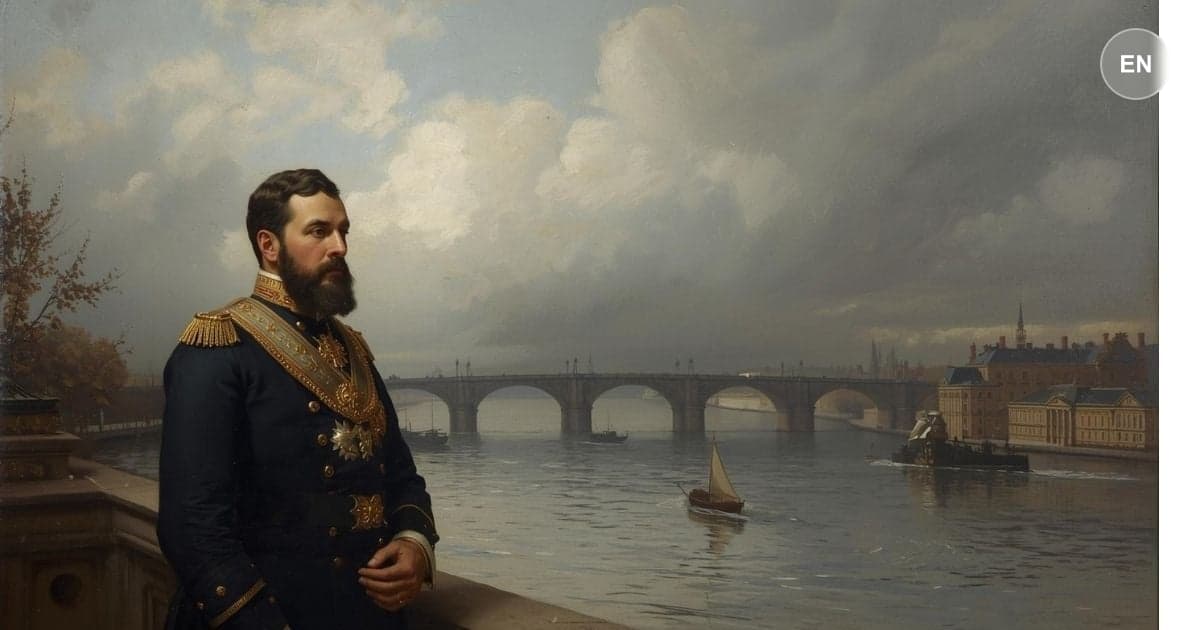
After the return of Alpátych from Smolénsk the old prince suddenly seemed to awake as from a dream. He ordered the militiamen to be called up from the villages and armed, and wrote a letter to the commander in chief informing him that he had resolved to remain at Bald Hills to the last extremity and to defend it, leaving to the commander in chief’s discretion to take measures or not for the defense of Bald Hills, where one of Russia’s oldest generals would be captured or killed, and he announced to his household that he would remain at Bald Hills.

1 / 20

Master this chapter. Complete your experience

Purchase the complete book to access all chapters and support classic literature

Read Free on GutenbergBuy at Powell'sBuy on Amazon

As an Amazon Associate, we earn a small commission from qualifying purchases at no additional cost to you.

Available in paperback, hardcover, and e-book formats

GO ADS FREE — JOIN US

Why This Matters

Connect literature to life

Skill: Recognizing Emotional Complexity

This chapter teaches that contradictory feelings toward the same person are normal, not moral failures.

Practice This Today

This week, notice when you feel two opposite emotions about someone—you can love your difficult mother while resenting her demands, or miss your ex while being glad they're gone.

GO ADS FREE — JOIN US

Now let's explore the literary elements.

Key Quotes & Analysis

"She refused to go away and her father's fury broke over her in a terrible storm."

— Narrator

Context: When Mary disobeys her father's order to leave for safety

This shows the impossible position caregivers face - staying means danger and abuse, but leaving feels like abandonment. Mary chooses duty over self-preservation.

In Today's Words:

She wouldn't abandon him, so he completely lost it on her.

"He repeated every injustice he had ever inflicted on her."

— Narrator

Context: The father's cruel words during what becomes their final fight

This captures how people often hurt those who care for them most, especially when they're scared and losing control. It's the caregiver's cruelest burden.

In Today's Words:

He threw every mean thing he'd ever done to her right back in her face.

"Forgive me, forgive me! Thank you... dress... the white one..."

— The old prince

Context: His final words to Mary before dying

After a lifetime of harshness, he finally shows love and asks forgiveness. The mention of the white dress reveals he noticed and cared about small things that made her happy.

In Today's Words:

I'm sorry for everything. Thank you for taking care of me. Wear that dress I like on you.

Thematic Threads

Duty vs. Self-Preservation

In This Chapter

Mary feels obligated to care for her difficult father while secretly longing for freedom from this burden

Development

Evolved from earlier themes about women's limited choices—now showing the psychological cost of accepting duty over personal needs

In Your Life:

You might recognize this when staying in situations that drain you because you feel you 'should' or others depend on you.

Hidden Love

In This Chapter

The father's final tender words reveal the affection he never expressed during years of harsh treatment

Development

Continues the theme of people struggling to show vulnerability—here showing how death can finally break down emotional barriers

In Your Life:

You might see this in family members who show love through criticism or people who only express feelings during crises.

Moral Complexity

In This Chapter

Mary experiences contradictory emotions—love, resentment, relief, and guilt—all simultaneously and all valid

Development

Deepens from earlier exploration of characters having mixed motives—now showing how good people can have 'bad' thoughts

In Your Life:

You might recognize this when you feel guilty for having normal human reactions to difficult situations.

Social Isolation

In This Chapter

Mary bears her burden alone, unable to voice her true feelings about caregiving because they seem shameful

Development

Builds on themes of characters hiding their real selves—here showing how social expectations create emotional isolation

In Your Life:

You might experience this when your real struggles don't match what others expect to hear about your situation.

GO ADS FREE — JOIN US

You now have the context. Time to form your own thoughts.

Discussion Questions

  1. 1

    What conflicting emotions does Princess Mary experience as she cares for her dying father?

    analysis • surface
  2. 2

    Why does Mary feel guilty about wishing for her father's death, even though she genuinely loves him?

    analysis • medium
  3. 3

    Where do you see this pattern of caregiver exhaustion and guilt in families today?

    application • medium
  4. 4

    How could Mary have handled her caregiver burnout differently to reduce her guilt and resentment?

    application • deep
  5. 5

    What does this chapter reveal about the difference between loving someone and enjoying caring for them?

    reflection • deep

Critical Thinking Exercise

10 minutes

Map Your Caregiver Boundaries

Think of someone you care for or support regularly - a parent, child, friend, or even yourself. Draw a simple chart with two columns: 'What I Can Control' and 'What I Cannot Control.' List specific aspects of their care, behavior, or situation in each column. Then identify one boundary you could set to protect your own well-being without abandoning your care responsibilities.

Consider:

  • •Loving someone doesn't mean accepting unlimited demands on your time and energy
  • •Setting boundaries often helps relationships by preventing resentment from building up
  • •You can acknowledge your limits without feeling guilty about being human

Journaling Prompt

Write about a time when you felt torn between caring for someone and caring for yourself. What did you learn about balancing duty with your own needs?

GO ADS FREE — JOIN US

Coming Up Next...

Chapter 199: When Authority Meets Resistance

With her father dead and the French army closing in, Princess Mary must make critical decisions about her family's estate and the peasants who depend on her. But the approaching war will test her in ways she never imagined.

Continue to Chapter 199
Previous
Napoleon Meets a Russian Peasant
Contents
Next
When Authority Meets Resistance

Continue Exploring

War and Peace Study GuideTeaching ResourcesEssential Life IndexBrowse by ThemeAll Books
Power & CorruptionLove & RelationshipsIdentity & Self-Discovery

You Might Also Like

Anna Karenina cover

Anna Karenina

Leo Tolstoy

Also by Leo Tolstoy

The Idiot cover

The Idiot

Fyodor Dostoevsky

Explores love & romance

Moby-Dick cover

Moby-Dick

Herman Melville

Explores mortality & legacy

Dracula cover

Dracula

Bram Stoker

Explores love & romance

Browse all 47+ books
GO ADS FREE — JOIN US

Share This Chapter

Know someone who'd enjoy this? Spread the wisdom!

TwitterFacebookLinkedInEmail

Read ad-free with Prestige

Get rid of ads, unlock study guides and downloads, and support free access for everyone.

Subscribe to PrestigeCreate free account
Intelligence Amplifier
Intelligence Amplifier™Powering Wide Reads

Exploring human-AI collaboration through books, essays, and philosophical dialogues. Classic literature transformed into navigational maps for modern life.

2025 Books

→ The Amplified Human Spirit→ The Alarming Rise of Stupidity Amplified→ San Francisco: The AI Capital of the World
Visit intelligenceamplifier.org
hello@widereads.com

WideReads Originals

→ You Are Not Lost→ The Last Chapter First→ The Lit of Love→ Wealth and Poverty→ 10 Paradoxes in the Classics · coming soon
Arvintech
arvintechAmplify your Mind
Visit at arvintech.com

Navigate

  • Home
  • Library
  • Essential Life Index
  • How It Works
  • Subscribe
  • Account
  • About
  • Contact
  • Authors
  • Suggest a Book
  • Landings

Made For You

  • Students
  • Educators
  • Families
  • Readers
  • Literary Analysis
  • Finding Purpose
  • Letting Go
  • Recovering from a Breakup
  • Corruption
  • Gaslighting in the Classics

Newsletter

Weekly insights from the classics. Amplify Your Mind.

Legal

  • Privacy Policy
  • Terms of Service
  • Cookie Policy
  • Accessibility

Why Public Domain?

We focus on public domain classics because these timeless works belong to everyone. No paywalls, no restrictions—just wisdom that has stood the test of centuries, freely accessible to all readers.

Public domain books have shaped humanity's understanding of love, justice, ambition, and the human condition. By amplifying these works, we help preserve and share literature that truly belongs to the world.

A Pilgrimage

Powell's City of Books

Portland, Oregon

If you ever find yourself in Portland, walk to the corner of Burnside and 10th. The building takes up an entire city block. Inside is over a million books, new and used on the same shelf, organized by color-coded rooms with names like the Rose Room and the Pearl Room. You can lose an afternoon. You can lose a weekend. You will find a book you have been looking for your whole life, and three you did not know existed.

It is a pilgrimage. We cannot find a bookstore like it anywhere on earth. If you read the classics, and you ever get the chance, go. It belongs on every reader's bucket list.

Visit powells.com

We are not in any way affiliated with Powell's. We are just a very big fan.

© 2026 Wide Reads™. All Rights Reserved.

Intelligence Amplifier™ and Wide Reads™ are proprietary trademarks of Arvin Lioanag.

Copyright Protection: All original content, analyses, discussion questions, pedagogical frameworks, and methodology are protected by U.S. and international copyright law. Unauthorized reproduction, distribution, web scraping, or use for AI training is strictly prohibited. See our Copyright Notice for details.

Disclaimer: The information provided on this website is for general informational and educational purposes only and does not constitute professional, legal, financial, or technical advice. While we strive to ensure accuracy and relevance, we make no warranties regarding completeness, reliability, or suitability. Any reliance on such information is at your own risk. We are not liable for any losses or damages arising from use of this site. By using this site, you agree to these terms.