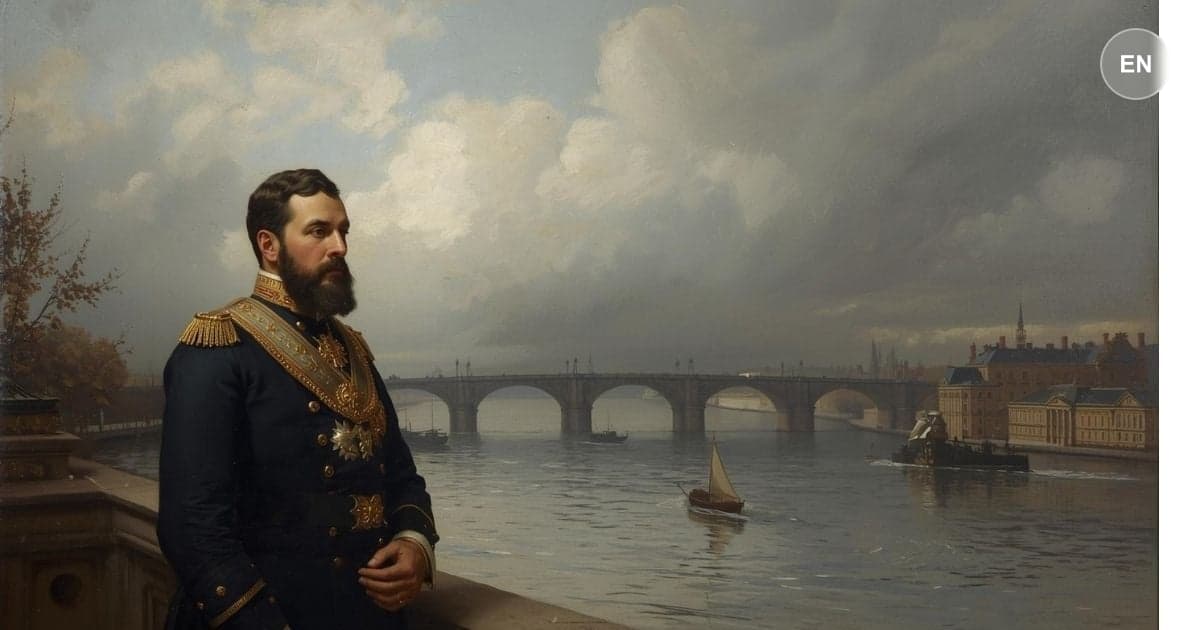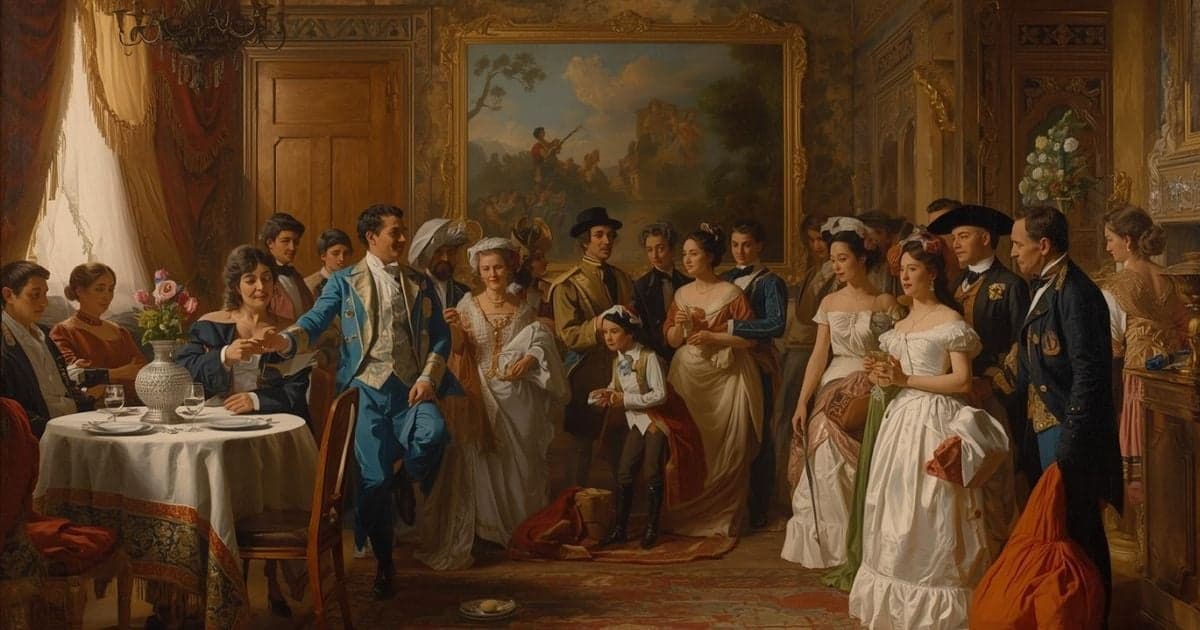
Master this chapter. Complete your experience
Purchase the complete book to access all chapters and support classic literature

As an Amazon Associate, we earn a small commission from qualifying purchases at no additional cost to you.
Available in paperback, hardcover, and e-book formats
Why This Matters
Connect literature to life
This chapter teaches how to recognize when authority figures mistake compliance for respect and performance for genuine connection.
Practice This Today
This week, notice when bosses or officials seem to be seeking validation rather than actual feedback—watch how they respond to different types of answers.
Now let's explore the literary elements.
Key Quotes & Analysis
"A good chessplayer having lost a game is sincerely convinced that his loss resulted from a mistake he made and looks for that mistake in the opening, but forgets that at each stage of the game there were similar mistakes and that none of his moves were perfect."
Context: Tolstoy explaining why people oversimplify the causes of complex events
This reveals how we naturally want to find simple explanations for complicated failures. We focus on one 'crucial mistake' instead of seeing the whole pattern of imperfect decisions that led to the outcome.
In Today's Words:
When things go wrong, we always think we can pinpoint the exact moment it all fell apart, but really we were making small mistakes the whole time.
"How much more complex than this is the game of war, which occurs under certain limits of time, and where it is not one will that manipulates lifeless objects, but everything results from innumerable conflicts of various wills!"
Context: Tolstoy comparing war to chess to show how much more complicated real conflict is
This challenges the idea that wars are won by brilliant generals making perfect moves. Real war involves thousands of people making independent decisions under pressure, creating chaos no one can fully control.
In Today's Words:
War isn't like chess where one person moves pieces around - it's like trying to coordinate a group project where everyone has their own agenda and nobody's communicating properly.
"You are the Emperor? You are the Emperor who conquered the world?"
Context: Pretending to be amazed when Napoleon reveals his identity
Lavrushka's fake amazement shows his survival instincts - he knows exactly what Napoleon wants to hear. His performance reveals how the powerless often have to act impressed by authority figures to stay safe.
In Today's Words:
Oh wow, you're THE boss? The one everyone talks about? Amazing!
Thematic Threads
Class
In This Chapter
Lavrushka, a beaten serf, remains unimpressed by Napoleon's imperial power because he understands that all masters are fundamentally the same
Development
Continues Tolstoy's examination of how different social classes experience and interpret the same events differently
In Your Life:
You might notice how your perspective on workplace authority differs drastically from your manager's view of their own importance.
Identity
In This Chapter
Napoleon's identity depends on others recognizing his greatness, while Lavrushka's identity remains intact regardless of who's trying to intimidate him
Development
Builds on earlier themes about how external validation versus internal strength shapes character
In Your Life:
You might recognize when you're seeking validation from people whose opinion shouldn't define your worth.
Deception
In This Chapter
Lavrushka tells Napoleon what he wants to hear, then makes up dramatic stories for his regiment because truth seems too ordinary
Development
Introduced here as survival strategy and social performance
In Your Life:
You might catch yourself telling different versions of the same story depending on what your audience wants to hear.
Social Expectations
In This Chapter
Napoleon expects awe and submission based on his status, while Lavrushka performs the expected reaction without feeling it
Development
Continues exploration of how social roles create scripted interactions that may not reflect genuine feelings
In Your Life:
You might notice when you're going through the motions of respect or enthusiasm because it's socially expected, not because you feel it.
Power
In This Chapter
True power lies not in commanding fear but in maintaining inner freedom—Lavrushka keeps his autonomy while appearing to submit
Development
Develops earlier themes about different types of strength and influence
In Your Life:
You might realize that sometimes the person who appears to have less control actually has more freedom and clearer thinking.
You now have the context. Time to form your own thoughts.
Discussion Questions
- 1
Why wasn't Lavrushka intimidated by Napoleon, even though Napoleon was the most powerful man in Europe at the time?
analysis • surface - 2
What does Napoleon's expectation of awe reveal about how power affects someone's understanding of reality?
analysis • medium - 3
Think about your workplace, school, or family. Where do you see people in authority living in bubbles, not understanding what those beneath them really think?
application • medium - 4
When you're dealing with someone who has power over you but doesn't understand your reality, how do you decide when to play along versus when to speak truth?
application • deep - 5
Why do you think Lavrushka made up dramatic stories about meeting Napoleon instead of telling the truth that he wasn't impressed?
reflection • deep
Critical Thinking Exercise
Map the Power Dynamic
Think of a situation where you've seen someone in authority completely misread the room - maybe a boss, teacher, parent, or politician who thought people agreed with them when they actually didn't. Write down what the authority figure believed was happening versus what was really happening from the perspective of those with less power.
Consider:
- •What information was the person in power not getting, and why?
- •How did people with less power protect themselves while managing the situation?
- •What would have happened if someone had told the complete truth?
Journaling Prompt
Write about a time when you had to 'play the game' with someone in authority. How did you balance protecting yourself while maintaining your integrity? What did that experience teach you about navigating power?
Coming Up Next...
Chapter 198: A Daughter's Final Vigil
The story returns to the Russian side as preparations intensify for the massive battle that will determine Moscow's fate. Key characters converge as the decisive confrontation approaches.