
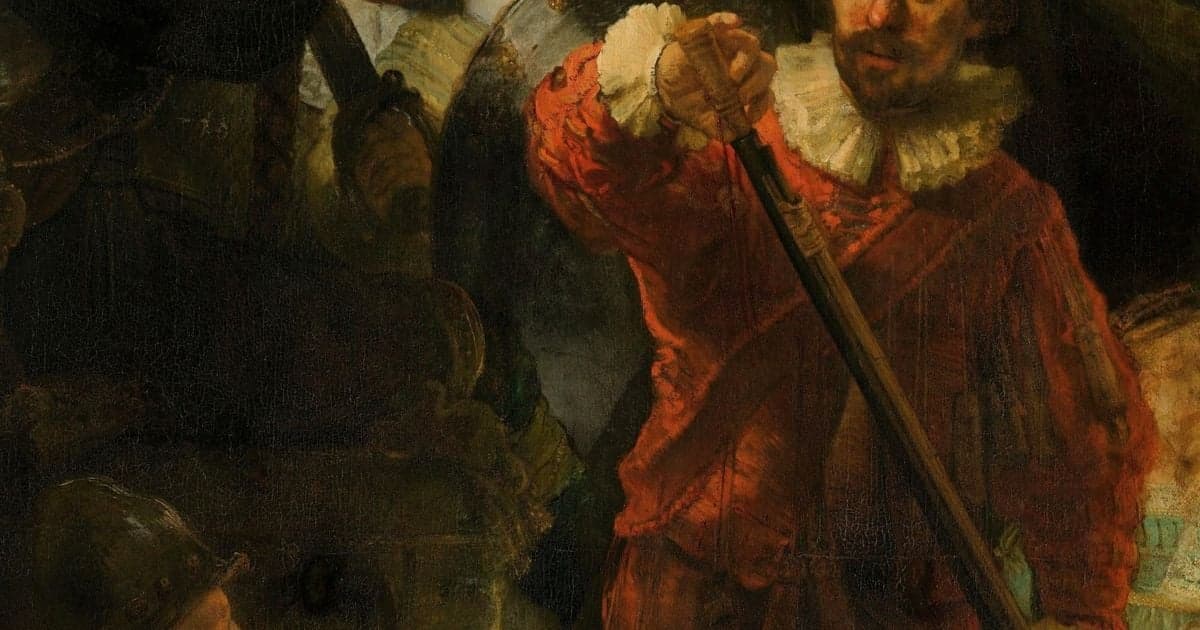
The boy asks for a Musketeer's cassock and treats every smile as a step toward it. The letter that was supposed to name him is stolen at Meung. Tréville offers a corridor through the Guards. Equipments for La Rochelle turn vanity into a hunt. Richelieu later recites the whole life and slides a commission across the table. D'Artagnan says no while his friends still sit with him.
Watch what funds the coat. Porthos eats a procurator's dinner. Aramis keeps a lady's letter. Athos spends English gold rather than owe a woman he once judged. The Gascon chases a carriage and calls it war. Ambition in this book is rarely a speech about glory. It is cloth, credit, and a name you can wear in camp.
Dumas lets the rank arrive after the household ends. Athos retires. Porthos marries money. Aramis turns toward a monastery. The lieutenant's blank is signed. Entertainment is the method. The ending is the argument: you can get the cassock and still have to ask what the name was for once the table is thin.
The Central Lesson
Ambition without a name is the cassock the boy asked for and the lieutenancy he accepts when the friends have already gone their ways. Dumas starts him with a stolen letter and a yellow horse sold for three crowns. He ends him with a blank Richelieu signed and a thinner table. The skill is not refusing rank. It is knowing whether the name is for the work, the mirror, or the empty room that comes after the household. If you cannot say which, wait. The paper can.
Applying This to Your Life
Take the Corridor If It Is the Work
Tréville will not hand the coat for a lost letter. He offers Dessessart's Guards. If you only want the title people can see, you will call the corridor a slight. If you want the work, you will walk it.
Name Who Is Funding the Outfit
Porthos's dinner and Aramis's letter are advances. Write who is paying for your next appearance. If you cannot repay them without twisting the job, the coat already has a second master.
Refuse the Rank That Deserts the Table
The boy will not take the cardinal's paper while his friends remain. Later he takes it when they have gone. Decide in the full room, not in the thin one. Tired ambition signs blanks it would have laughed at at noon.
Other lessons in this book
More life-skill deep dives from the same classic.
Choosing Your Company
The First Fight Was Not the One You Planned
Watch whom you stand beside when the first fight is not the one you planned.
10 chapters·Explore AnalysisHonour vs. Necessity
A Trial Honour Will Not Name
Sit the trial on the Lys and ask what honour will not name.
19 chapters·Explore AnalysisLoyalty When It Costs
Breakfast on a Bastion
Stay with the diamond run, the bastion, and the ride to Béthune.
15 chapters·Explore AnalysisReading a Political Room
Every Smile Hides a Warrant
Hear the court before you trust a smile or a warrant.
11 chapters·Explore AnalysisServing Two Masters
A Blank the Cardinal Already Signed
See what it costs to please a king and a cardinal at once.
12 chapters·Explore Analysis
Continue exploring
The same lessons in other books
See how other books teach the same life skills.

North and South
Acting on Conscience When It Costs YouWatch Hale leave the church, Margaret lie at the station for Frederick, and Thornton refuse a speculation that would save him.North and South
Navigating Class and Economic PowerTrace Milton from imported Irish hands and Boucher's brook to the inheritance that buys a partnership, not a husband.
Paradise Lost
When Pride Sounds Like PrincipleHear Satan on the burning lake and at Eden's edge: wounded dignity reframed as liberty, and a no that is only a refusal to be second.
Where the lesson lives in the book
Three Presents and a Stolen Letter
The father gives a yellow horse, a recipe for balsam, and a letter to Tréville. The letter is the real present. It vanishes at Meung. D'Artagnan walks into Paris on foot after selling the horse for three crowns. Ambition starts as a name he no longer holds on paper.
Key Insight:
Ambition that depends on an introduction can be stolen in a kitchen. What remains is whether you will still walk to the gate without the paper.
He Wants the Cassock, Not the Speech
In Tréville's office the boy tells his story and asks to be a Musketeer. The captain will not give the coat for a lost letter and a yard fight. He offers a path through Dessessart's Guards. D'Artagnan wants the name now. He gets a corridor.
Key Insight:
A rank people can see is not the same as a path that can earn it. If you refuse the corridor because it is not the coat, you are in love with the label.
Hunting for Equipments
The four must kit themselves for La Rochelle. D'Artagnan is the most worried, though a Guardsman costs less. Vanity pulls him. So does Constance, whom the queen cannot find. Athos will not leave his room. Ambition here is cloth, horses, and the fear of arriving looking poor.
Key Insight:
Campaigns expose the ambition you dressed as readiness. If you cannot say whether you are outfitting a war or a mirror, the procurator's dinner will decide for you.
He Keeps Pace with a Carriage
D'Artagnan cannot keep Milady's carriage to St. Germain. He borrows Tréville's horses. Athos drinks and will not let women pay for his outfit. The boy wants the Englishwoman's influence and tells himself it is the war. Desire and advancement share a saddle.
Key Insight:
Ambition likes a useful attachment. If the person you chase can also kit your war, ask which want is riding.
A Duel Behind the Luxembourg
Athos posts the lackeys. Lord de Winter will not fight four men with one name. They pair off. D'Artagnan wounds the Englishman and then uses the win to enter Milady's house. The sword is still a calling card.
Key Insight:
Some rooms only open after a public win. That is not always honour. Sometimes it is ambition borrowing a duel as an introduction.
Aramis and Porthos Collect Their Kit
Aramis lets a thesis and a lady in Tours dress him. Porthos lets a procurator's table do the same. Neither man calls it ambition. Both need to appear at the siege as if the coat had always been theirs.
Key Insight:
Ambition without a name often wears a friend's generosity or a lover's credit. The coat still has a price. Someone is keeping the ledger.
Athos Buys Without Asking a Woman
D'Artagnan runs to Athos in Kitty's clothes with Milady's secret and her money. Athos laughs at the petticoats, then uses English gold to kit himself without owing Madame. He will not let the brand story become a debt to the living woman.
Key Insight:
Refusing one kind of funding is still ambition. It is ambition that will not let a private history pay for a public coat.
A Dove in Green Wax
Planchet brings two letters. One, sealed with a dove, tells d'Artagnan to watch the Chaillot road and not speak. He thinks of Constance. He also thinks of the figure he will cut if the queen's woman sees him equipped. The vision is love and advancement in one carriage.
Key Insight:
A summons that flatters both your heart and your rank is the hardest to read. Slow down before you call it fate.
The Life Recited, the Rank Refused
Richelieu recites the boy's life and offers a lieutenant's commission. D'Artagnan will not take it if it means leaving Athos, Porthos, and Aramis. He still wants a name. He will not buy it by deserting the only company that made the name possible.
Key Insight:
Ambition becomes a character when it can wait. The offer you refuse because of your people is the one that tells you what the name is for.
The King Signs What the Friends Have Left
La Rochelle surrenders. The friends scatter. D'Artagnan takes the lieutenancy on a blank his Eminence once signed. He entered Paris on foot. He leaves the last page with a rank and a thinner table. The cassock he asked for arrives after the household that taught him is gone.
Key Insight:
A title that arrives after your people have gone is still a title. It is also a measurement. Ask whether you wanted the work or the empty room that comes with it.