
The Three Musketeers
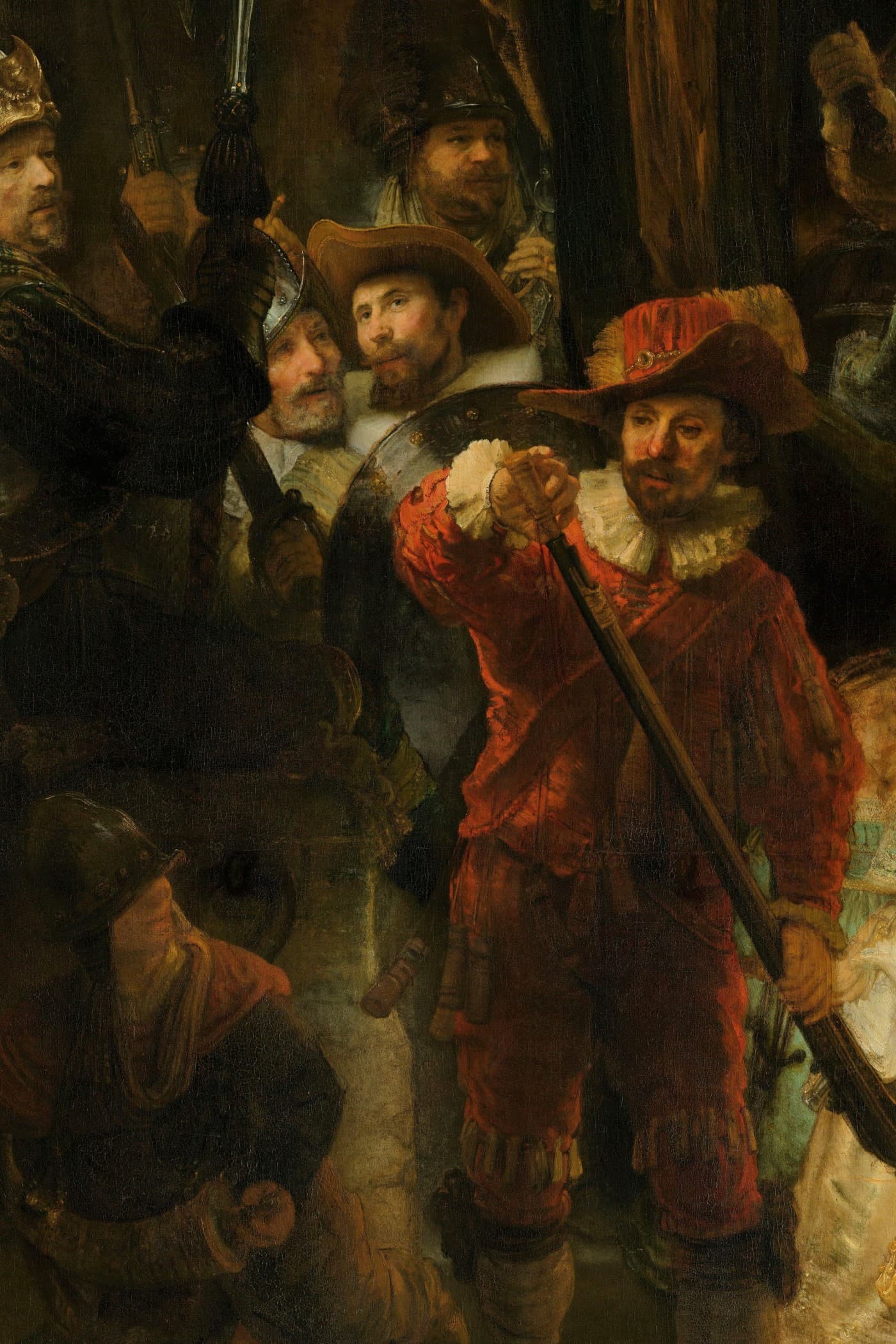
Alexandre Dumas
0:00 / 0:00
At the Jolly Miller in Meung, an eighteen-year-old Gascon hears laughter at a yellow pony and draws. The pale man in violet is already on other business. While the boy is still down, a boxed charge goes to an Englishwoman called Milady, and the letter that was supposed to introduce him to Monsieur de Tréville vanishes from a kitchen doublet. He sells the horse at the gate of Saint-Antoine and walks into Paris on a stolen name. Alexandre Dumas began the serial as Les Trois Mousquetaires in Le Siècle in 1844. Later rooms remember a toast. The book opens on a theft and a face he will not forget.
D'Artagnan wants a musketeer's cassock, so he treats every smile as a step toward it. The three men who can give him that life are already paying for it: Athos with a branded wife he will only name drunk, Porthos with a baldric that is not gold, Aramis with a second cassock and a letter written as if by a cousin. Tréville, once as poor as his visitor, scolds those men in public so he can defend them in private. Opposite them, Richelieu fights through other people's bodies, and the queen has already given diamond studs to Buckingham. Constance Bonacieux carries the messages that follow, and will pay for that work. Milady wears a fleur-de-lis on her shoulder and does not forgive a witness. The pressure among them is not one duel. It is whom you stand with when the king, the cardinal, and your own ambition each want a different answer.
The three Musketeers book him for noon over a wounded shoulder, a false baldric, and a dropped handkerchief. Cardinal's guards arrive before the first pass, so the men who meant to kill him keep him instead. Once they are a company, the queen's diamonds become their problem: the stones must be on her dress before a ball the cardinal designed as a count. Athos, Porthos, and Aramis fall on the road to Calais so one of them can still reach London. Buckingham cuts two new studs overnight, and the dance holds. At La Rochelle the same four take the Bastion Saint-Gervais because they cannot talk in camp. From that breakfast they write a family letter to Lord de Winter and give Planchet sixteen days. He is late enough that Felton, not the letter, reaches Buckingham. The friends then ride for Constance and arrive after a drop of water at Béthune. What they can still do, they do at night on the Lys, without a public court.
Dumas built the book from Gatien de Courtilz's Mémoires and from Richelieu's France, then refused to leave friendship as a toast. The four share a purse and a bastion. They also share a riverbank where a woman they have used and hunted is condemned in the dark. He lets the boy refuse the cardinal's commission at La Rochelle, then take a lieutenancy on a blank his Eminence once signed. He lets the friends scatter. The king gets a siege. The cardinal gets England delayed. The reader gets the bill for serving two masters and still calling the work loyalty. Entertainment is the method. The cost is the argument.
He learns Choosing Your Company in the yard, when the first fight is not the one his father planned, and again at noon, when three strangers keep him. After that every smile is Reading a Political Room: Tréville's antechamber, a keeper hunting a bell, a stovepipe that hands Athos a war. The company they form spends itself as Loyalty When It Costs on the road to Calais, at a bastion breakfast, on Planchet's sixteen days, and on the ride that reaches Béthune after the water. Richelieu then slides a commission across a table at La Rochelle, and Serving Two Masters is the rank the boy will not take while his friends still sit with him. Honour vs. Necessity is older: the fleur-de-lis Athos once hanged a wife for, then the same mark they use on the Lys at night. What is left is Ambition Without a Name: the cassock he asked for, and the lieutenancy the king signs after the household has already closed.
He entered Paris on foot after selling a yellow horse for three crowns. He leaves the last page a lieutenant, with Athos in retirement, Porthos marrying money, Aramis toward a monastery, and Rochefort still fed by his Eminence. Wide Reads holds summaries, quotes, and audio on all 68 chapters, from the Jolly Miller yard to the signed blank that buys a rank.
Lessons from The Three Musketeers
Six theme-by-theme chapter breakdowns, from the Jolly Miller yard to the signed blank.
Lessons from The Three Musketeers
Six theme-by-theme chapter breakdowns, from the Jolly Miller yard to the signed blank.Deep dives
Chapter-by-chapter breakdowns
Loyalty When It Costs
Stay with the diamond run, the bastion, and the ride to Béthune.
Loyalty starts to cost when you say the feud out loud. Until then it is only sympathy. After that it is a…
Reading a Political Room
Hear the court before you trust a smile or a warrant.
The room before the office is the real office. If you only prepare for the named meeting, you will spend your strength…
Table of Contents
The Three Presents of D'Artagnan the Elder
In April 1625 the market town of Meung looks like a town under attack. Citizens grab muskets and run...
The Antechamber of M. de Tréville
M. de Tréville began as D'Artagnan begins now: poor, bold, and sure that nerve can outrun money. He ...
The Audience
M. de Tréville is in a bad mood, but he greets D'Artagnan politely and smiles at the Béarnese accent...
The Shoulder of Athos, the Baldric of Porthos and the Handkerchief of Aramis
D'Artagnan flies through the antechamber after the man of Meung and hits a Musketeer coming out of a...
The King’s Musketeers and the Cardinal’s Guards
D'Artagnan walks alone to the Carmes Deschaux, ready to fight Athos and then the other two, and read...
His Majesty King Louis XIII
The Carmes fight makes a great noise. Tréville scolds his Musketeers in public, congratulates them i...
The Interior of the Musketeers
Once outside the Louvre, D'Artagnan asks what to do with his share of the forty pistoles. Athos name...
Common Questions About The Three Musketeers
Trending search questions mapped to the lessons in this novel—what readers actually ask Google about why there are four, Milady, one for all, two masters, and the lieutenancy at the end.
What is The Three Musketeers about?
An eighteen-year-old Gascon draws in a yard at Meung, loses his letter to Monsieur de Tréville, and walks into a Paris where the king and the cardinal already share one war. Athos, Porthos, and Aramis book him for noon; cardinal's guards arrive first, so the men who meant to kill him keep him instead. From there the book is diamond studs that must reach a ball, a bastion breakfast, and a night trial on the Lys. Dumas writes what it costs to read a political room before you trust a smile.
Explore Reading a Political RoomWhy is it called The Three Musketeers if there are four?
The title names the company d'Artagnan enters, not a headcount on the last page. Athos, Porthos, and Aramis are already Musketeers when he hits a wounded shoulder, laughs at a false baldric, and picks up a dropped handkerchief. They book him for noon. The boy who came to kill three strangers becomes the fourth when the cardinal's guards arrive first. Choosing your company is the hour you keep after the first fight was not the one your father planned.
Explore Choosing Your CompanyWho is Milady in The Three Musketeers?
Milady de Winter is the Englishwoman who receives a boxed charge from the man of Meung while d'Artagnan is still on the kitchen floor. She wears a fleur-de-lis on her shoulder, the same mark Athos once hanged a wife for. She turns Felton on Buckingham, poisons Constance at Béthune, and is condemned at night on the Lys without a public court. Honour versus necessity is the skill: the same brand that looked like a code in a wood becomes a sentence the friends will not ask a king to hear.
Explore Honour vs. NecessityWhat does "all for one and one for all" mean in The Three Musketeers?
Dumas writes the oath as "Tous pour un, un pour tous," sworn after they hand Bonacieux to the guards. The four share a purse, fall on the road to Calais so one can reach London, and take the Bastion Saint-Gervais because they cannot talk in camp. Planchet gets sixteen days, and they ride for Constance after the water. Loyalty when it costs is that road, not the toast recited for free.
Explore Loyalty When It CostsDoes d'Artagnan become a musketeer in The Three Musketeers?
Not on day one. After the Carmes fight the king hides him in Dessessart's Guards, and the three mount watch so the captain receives four instead of one. At La Rochelle he refuses an ensign's commission in the cardinal's Guards because his friends still sit with him. After the bastion breakfast he wears a Musketeer's uniform, and on the last pages a signed blank buys a lieutenancy after the household has already started to close. Ambition without a name is the cassock he asked for and the rank that arrives when the room is emptying.
Explore Ambition Without a NameWhat life lessons does The Three Musketeers teach?
Six lessons run through the novel: choose your company when the first fight is not the one you planned; serve two masters without pretending the paper is free; spend loyalty on the diamond road, the bastion, and the ride that reaches Béthune too late; read a political room before you trust a smile or a warrant; sit honour against necessity on the Lys; and watch ambition without a name take the cassock, then the lieutenancy, after the friends have gone. Those skills, not a souvenir toast, are why the book still answers modern searches.
About Alexandre Dumas
Published 1844
Alexandre Dumas (1802-1870) was born in Villers-Cotterêts. His father, Thomas-Alexandre Dumas, was a French general of mixed race who served the Republic and then died poor, when the boy was four. The name stayed famous. The money did not. Alexandre came to Paris as a clerk in the household of the duc d'Orléans and learned that a room will use you if you cannot write your own way out of it.
Les Trois Mousquetaires ran in Le Siècle in 1844. He took Gatien de Courtilz's Mémoires de M. d'Artagnan and the France of Cardinal Richelieu, then made a serial about a boy who wants a cassock in a city with two masters. Auguste Maquet helped shape the plot. The paper gave readers noon fights, diamond studs, a bastion breakfast, and a night trial on the Lys. Critics called it a factory. Subscribers waited for the next sheet.
He died at Puys in 1870. This remains the book people quote for loyalty, then reread when they notice who pays for the toast.
Why Alexandre Dumas Matters Today
Alexandre Dumas speaks to the moment when two desks want different answers from the same body: the first fight that was not the one you planned, the friends you keep after noon, the paper that offers rank while the household is still sitting at the table. The Three Musketeers names loyalty as work that costs, not a toast you can recite for free.
What makes him indispensable is that he wrote this from outside the room. He was the son of a discarded general, a clerk who had to invent his way into Paris, and he put that hunger on a Gascon who wants a cassock while a king and a cardinal share one city. He will entertain you. He will also show you the riverbank where honour borrows necessity's tools.
Readers still arrive for the slogan and the swordplay. They stay for the diamond road, the late ride to Béthune, and the signed blank that buys a rank after the friends have gone. Dumas made a serial that sold by the sheet. He also wrote what it costs to please a king and a cardinal at once, and still call the work friendship.
More by Alexandre Dumas in Our Library
Wide Reads is different.
Plot, characters, and themes — plus audio, source text, and patterns you can use after class
Two ways in
Read & listen to the summary
Chapter by chapter, with audio. The meaning arrives because you experienced it — not because someone listed bullet points.
Start with this.
Read the original text
The actual words the author wrote, alongside every summary. Use the guide, then step into the source.
Then step into the source.
Either way, the door opens inward.
— and most of all, Why does this matter?
Get the Full Book
Purchase the complete book to access all chapters and support classic literature

Available in paperback, hardcover, and e-book formats
You Might Also Like

Free to read • No account required