
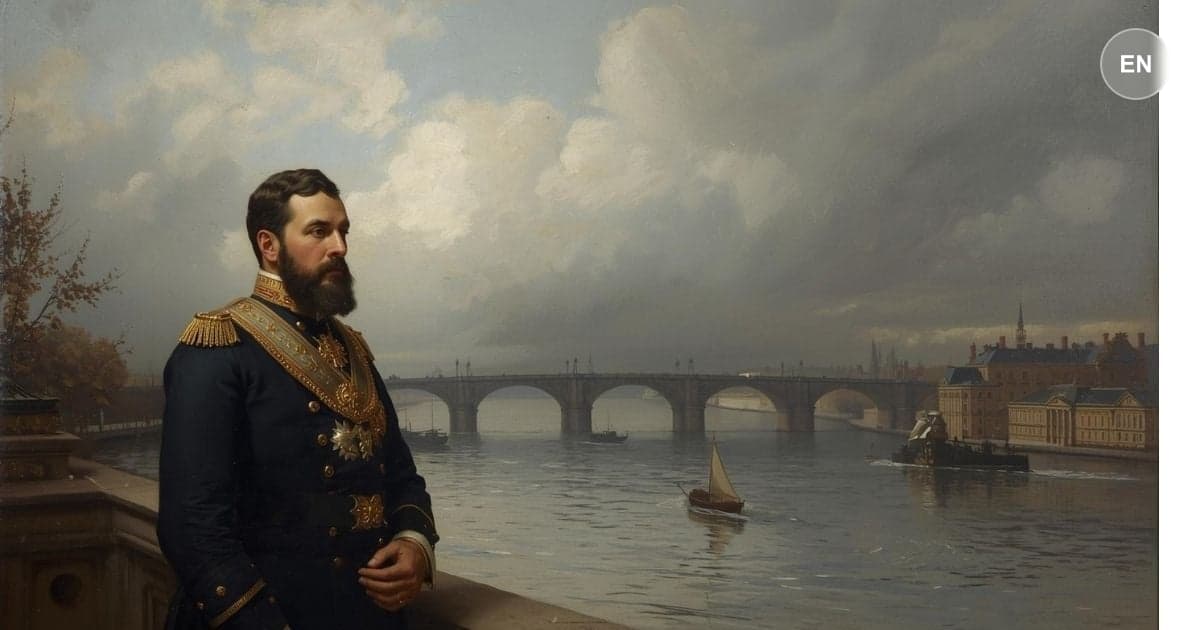
How is anyone to tell a story which he cannot understand himself? The line is about Nastasya, and it is also about the man trying to carry her. Myshkin is afraid of her face. He says so. He still cannot leave her for Aglaya, who asked to be chosen as a life rather than as a rescue. Fear is information. He treats it as a duty. Dostoevsky lets the indecision wreck the person who wanted a future, which is a crueller lesson than a sermon about self-care. Pity that cannot pick will spend the people who needed a yes.
The unpaid bills were already on the desk. Marie dies almost happy and the visitor never invoices the months of being the village's only dissent. Ivolgin takes an evening and a twenty-five rouble note and never delivers the address. Ippolit reads a manifesto about a life the law cannot touch, fails his suicide, and leaves the sun coming up over a prince who has added another despair to the warehouse. None of these scenes are failures of feeling. They are failures of a limit. Attention that cannot close becomes a public utility, and public utilities get used.
The clinic takes the remainder. Rogozhin is quiet. The murdered woman is barely in the record. Speech leaves the man who would not stop receiving. Knowing compassion's limits is not learning to be colder. It is noticing the moment fear of a face has become a reason to stay, the moment an audience is staffing a delusion, the moment a dying boy's last speech has nowhere to go except into your body. Myshkin never finds that moment. The novel does not mock him for the miss. It shows the arithmetic. Unlimited reception has a product. The product is a self that can no longer tell the story.
The Central Lesson
Compassion without a limit is not a higher form of love. It is a warehouse with no door. Myshkin is afraid of a face and still cannot choose. He staffs Ivolgin's fantasies, receives Ippolit's manifesto, and leaves Aglaya holding a future he will not pick. The clinic is arithmetic, not irony. Feeling is not free. The people who asked to be chosen pay first. Then the person who would not choose pays the remainder. Stay open. Learn the moment that is not abandonment. It is the sentence Myshkin could never say: I cannot carry this.
Applying This to Your Life
Treat Fear of a Face as Data
If you are afraid of someone you will not leave, the fear is not a test you are failing. It is a measurement. Staying because you are afraid is not mercy. It is how other people's futures get spent on your indecision.
Invoice the Evening
Ivolgin never takes him to the address. Ask whether your attention is helping or staffing a fantasy. A limit would have been a form of care the other person did not want. Wanting an audience is not the same as needing a friend.
Do Not Become the Warehouse
You can take a last speech seriously without storing it in your body as a permanent tenant. Put the weight down on a schedule, not after the clinic. Compassion that cannot close still has a product. The product is you, emptied.
Other lessons in this book
More life-skill deep dives from the same classic.
Maintaining Goodness Without Naivety
Sit with Myshkin on the train in chapter 1: honesty with no angle, and a city that can only call it idiocy.
6 chapters·Explore AnalysisReading Authenticity vs Performance
Hear the Poor Knight, the truth game, and the dinner for Belokonskaya, and tell a person from a scene.
5 chapters·Explore AnalysisDistinguishing Intensity from Depth
Set Rogozhin's knife and packet against Myshkin's offer: heat is not the same thing as a life.
6 chapters·Explore AnalysisSetting Boundaries With Compassion
Name the yes that cannot become a no, from Marie's village to the vigil that cannot stop the knife.
5 chapters·Explore AnalysisRecognizing Destructive Love
Watch Nastasya and Rogozhin from the hundred thousand in the fire to the house police open in the morning.
6 chapters·Explore Analysis
Continue exploring
Explore this theme
The same lessons in other books
See how other books teach the same life skills.

Les Misérables: Essential Edition
Navigating Poverty and Social ClassTrace Fantine from 1817 hope to factory gossip, and the class that treats need as indictment.
The Jungle
Reading Graft as Everyday GovernmentStay with Duane's cell and chapter 25: votes, inspectors, and a city that prices justice.
The Essays of Montaigne
Choosing Real FriendshipHear essay 27 answer La Boétie: because it was he, because it was I.
Where the lesson lives in the book
The Cost He Does Not Track
The Marie story is told as a success: the girl died almost perfectly happy. What Myshkin does not invoice is the months of being the only adult willing to be seen with her, the loneliness of that position, the way a whole village's contempt had to sit on one visitor. Compassion for the condemned includes a social penalty. He pays it without entering it in a book. Unpaid bills wait.
Key Insight:
A good outcome can still hide a ledger. If you are the only person willing to stand beside someone the street has dropped, you are absorbing a penalty that is not metaphorical. Track it or it will find you as fatigue you call virtue.
“Thanks to them, I assure you, the girl died almost perfectly happy.”
Hours Spent on a False Address
General Ivolgin offers to take him to Nastasya and delivers Napoleon stories, borrowed money, and a door with the wrong name on it. Myshkin knows the tales are false and keeps listening. He arrives late, thinner, having given an evening to a man who needed a stop and received an audience. Compassion that cannot interrupt a delusion is not kinder. It has a different victim: the night, and whoever was waiting at the real address.
Key Insight:
Unlimited attention is a resource other people can spend. If your presence is mainly enabling a fantasy, you are not helping. You are staffing the fantasy. A limit would have been a form of care Ivolgin did not want and Myshkin could not bear to be.
“I have not got a ten-rouble note, but here is a twenty-five. Change it and give me back the fifteen, or I shall be left without a farthing myself.”
No Jurisdiction, and Still an Audience
Ippolit reads his necessary explanation, claims no court has rights over a dying boy, and then fails to die on cue. There is no cap in the pistol. The sun comes up anyway. Myshkin receives the whole manifesto as if it were a person. Sitting with someone's conviction that existence is unjust is a real labor. The labor does not give Ippolit a meaning. It gives Myshkin another weight he will not put down.
Key Insight:
Being the person someone brings their last speech to is an honor that still has a mass. You can take a despair seriously without becoming its warehouse. Myshkin never learns the second half of that sentence.
“I recognize no jurisdiction over myself”
The Face He Cannot Leave
How is anyone to tell a story which he cannot understand himself? Myshkin is afraid of Nastasya's face and still cannot choose Aglaya, who asked to be chosen as a future rather than as a rescue. He never loved either of them in the way a marriage requires, someone says, which is a cruel way of naming a real limit: pity is not a selection. The wreck of Aglaya is the cost of a compassion that will not pick.
Key Insight:
A heart that answers every claim equally will betray the person who needed a yes that excluded someone else. Fear of a face is information. Staying because you are afraid is not mercy. It is how two lives get spent on an indecision you are calling goodness.
“I'm afraid of her face!”
The Clinic Takes the Remainder
Rogozhin is quiet at the trial. Nastasya is hardly in the record. Myshkin is returned to Switzerland without speech. The people he tried to carry are dead, sentenced, or gone. Dostoevsky does not frame this as a failure of feeling. He frames it as arithmetic. Unlimited reception, no method for putting a weight down, a city happy to keep handing him more. The remainder is a body that can no longer answer.
Key Insight:
The cost of compassion without a limit is the self that practiced it. That is not an argument against compassion. It is an argument against the fantasy that feeling is free. The clinic is the invoice. The question left to you is how to stay open without becoming the warehouse.
“had not recognized her in the slightest degree”