
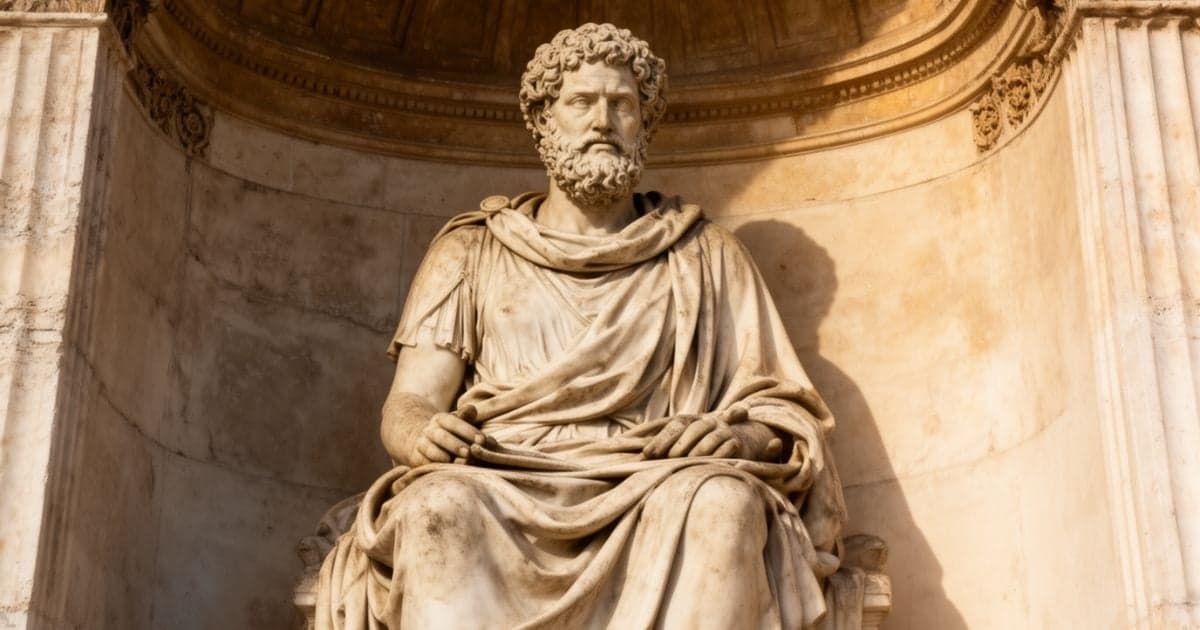
The object stands outside, still and quiet. It does not enter. The tumult is the estimate. Marcus keeps writing that split because he keeps failing it. Let opinion be taken away and the wrong vanishes. What happened is not, of itself, a misfortune. To bear it generously is the happiness. Two rules sit ready: do what reason advises for the common good, and change your mind when a just correction appears. The practice is sorting, not numbness.
Duty continues whether you are commended or frozen. No man can hinder you from living as nature requires. The hurt is not in the report of the event; it is the addition you must exclude. What troubled you was not in another room. It was in the opinion, from whence it must be cast out. Stop hiring other people's faces as the proof that you are all right. Fame after life is oblivion. If it is not fitting, do it not. If it is not true, speak it not. Only the mind is properly yours.
If you have ever spent a day prosecuting a weather system, a board vote, or a look on someone's face, you already know the bleed. The skill is two columns, used while the feeling is still loud: this is mine to do; this is not mine to command. Revoke the addition. Keep the duty. Travel will not cast out what you packed.
The Central Lesson
Some things are yours. Most of what upsets you is not. Marcus's split is not a pose of detachment. It is a refusal to let an object, a vote, or a voice write the tumult for you. The thing stands outside, still. The trouble is the estimate, and the estimate can be revoked. Duty continues in both kinds of weather. The hurt is often an addition that was never in the report. Cast it out from inside; travel will not do that work. If it is not fitting, do it not. If it is not true, speak it not. Only the mind is properly yours. Spend it there.
Applying This to Your Life
Unstick Event from Estimate
Write the fact in one sentence. Write the story in another. Book Four says the object never reached the soul. If you cannot find the second sentence, you have not looked. You have merged the files.
Keep Duty Off the Scoreboard
Praised, blamed, cold, tired: the assignment does not wait for a better climate. Mark reputation and money as optional colouring, not as the good. Alexander and the mule-driver is the reminder when the scoreboard starts to feel like survival.
Cast Out in Place
Book Nine locates the trouble within. Changing jobs, cities, or partners can be wise. It is not the same as excluding the addition of opinion. Run the last book's filter on the next verb: fitting, true, yours.
Other lessons in this book
More life-skill deep dives from the same classic.
Building Earned Authority
From My Grandfather Verus
Credit Verus, Rusticus, and Antoninus by name: gentleness, Epictetus, and a ruler who never mistakes flattery for respect.
6 chapters·Explore AnalysisControlling the Inner Fortress
You Do Not Need the Seashore
Retreat into the mind Book Four trains: obstacles feed a strong fire, and you do not need the seashore if the principles are already stored.
6 chapters·Explore AnalysisFacing Mortality Without Panic
Hippocrates Died Sick
Sit with Hippocrates dying sick, Alexander and the mule-driver both gone, and time that will not return.
6 chapters·Explore AnalysisGetting Up and Doing the Work
It Is a Man's Work
Talk yourself out of the warm bed the way Book Five does: bees already work, rest has a stint, and duty does not.
6 chapters·Explore AnalysisMorning Preparation for Difficult People
An Idle Curious Man
Use the Granua drill before the day begins: expect the idle and the envious, and refuse to hate a stone for falling.
6 chapters·Explore Analysis
Continue exploring
The same lessons in other books
See how other books teach the same life skills.

Les Misérables: Essential Edition
Navigating Poverty and Social ClassTrace Fantine from 1817 hope to factory gossip, and the class that treats need as indictment.
The Essays of Montaigne
Choosing Real FriendshipHear essay 27 answer La Boétie: because it was he, because it was I.
Siddhartha
Living in the PresentStay at the ferry until past and future stop being places you can live.
Where the lesson lives in the book
What Never Reached the Soul
Objects stand without, still and quiet. They do not reach the soul. All the tumult and trouble proceed from the opinion within. Let opinion be taken away and the wrong vanishes. What happened is not, of itself, a misfortune; to bear it generously is great happiness. Two rules stay ready: do only what reason advises for the common good, and change your mind when someone shows a just correction. The split is not a metaphor. It is a sorting habit.
Key Insight:
If the event and the story arrive glued together, you will spend your strength on glue. Marcus unsticks them. The thing can stay. The estimate can be revoked. That revocation is the only part the world cannot veto.
“the things or objects themselves reach not unto the soul, but stand without still and quiet, and that it is from the opinion only which is within, that all the tumult and all the trouble doth proceed.”
Duty Does Not Wait on the Vote
Be it all one whether half frozen or well warm, slumbering or after a full sleep, commended or discommended: do your duty. Death is one of the actions of a life. The mind shapes how everything appears. When troubled, return to yourself quickly. No man can hinder you to live as your nature requires. Call money or reputation good and you become envious, suspicious, and at war with fate. Alexander and the mule-driver end alike.
Key Insight:
Control is not a larger grip on the board. It is refusing to mark as yours what a vote, a frost, or a headline can seize. Duty continues in both columns of the weather. The second column is not a moral. It is climate.
“No man can hinder thee to live as thy nature doth require.”
The Hurt Is the Addition
That thou art hurt thereby is not reported with the event. That is the addition of opinion, which thou must exclude. Before each action ask how it will agree with you when it is done. People will do what their opinions dictate; do not be diverted from speaking justly. Examine every object for substance, use, and duration. Happiness is not in syllogisms or honour but in just action grounded in true dogmata.
Key Insight:
The report of the world and the report of your injury are two documents. Most people file them as one. Marcus keeps a separate sheet for the addition. If you cannot find the addition, you are not being rigorous. You are being loyal to the first draft of the feeling.
“But that thou art hurt thereby, is not reported: that is the addition of opinion, which thou must exclude.”
Cast It Out from Within
What troubled you was not without, somewhere you should come out of. It was within, in your own opinions, from whence it must be cast out. Nature uses pleasure, pain, honour, and death indifferently; clinging to them as ultimate goods fights the current. Wipe fancy. Use deliberation. Keep the mind free. One reasonable soul divides among all, yet humans forget one another. The location of the problem is the whole method.
Key Insight:
Escape fantasies assume the trouble has an address. Marcus says the address is inward. You can change rooms and bring the same opinion. Casting out is work in place. Travel is often a way of refusing that work.
“it should rather be for that which troubled thee, whatsoever it was, was not without anywhere that thou shouldest come out of it, but within in thine own opinions, from whence it must be cast out”
Stop Hiring Other People as Happiness
How long have you already put off these things? Treat each action as if it might be the last: gravity, justice, no vanity. Stop making your happiness depend on what other people think. External events cannot damage the person you are; honour, poverty, pain, and death happen to good and bad alike and are neither good nor bad in themselves. Fame after life is oblivion. What adheres? Only philosophy.
Key Insight:
If your peace is on someone else's face, they hold the keys. Marcus keeps finding that arrangement and tearing it up. Other people's opinions belong in the column you do not staff with your self-respect.
“Remember how long thou hast already put off these things, and how often a certain day and hour as it were, having been set unto thee by the gods, thou hast neglected it.”
If It Is Not Fitting, Do It Not
Enjoy now what you keep deferring. Let not other men's wickedness, opinion, or voice hinder you. If it is not fitting, do it not. If it is not true, speak it not. Only the mind is properly yours. Separate from it what others do or say, future trouble, and sympathetic entanglements. The last book is a sorting room: yours, not yours, now, later, never.
Key Insight:
The dichotomy is useless as a poster and useful as a filter on the next verb. Fitting or not. True or not. Yours or not. Marcus ends by running the filter, not by announcing that he has mastered it.
“If it be not fitting, do it not. If it be not true, speak it not.”