Master this chapter. Complete your experience
Purchase the complete book to access all chapters and support classic literature
As an Amazon Associate, we earn a small commission from qualifying purchases at no additional cost to you.
Available in paperback, hardcover, and e-book formats
Why This Matters
Connect literature to life
This chapter teaches how to distinguish between authentic authority and insecure posturing by watching how people treat their influences.
Practice This Today
This week, notice when someone in authority acknowledges their teachers versus when they act self-made—you'll quickly see who has real confidence and who's overcompensating.
Now let's explore the literary elements.
Key Quotes & Analysis
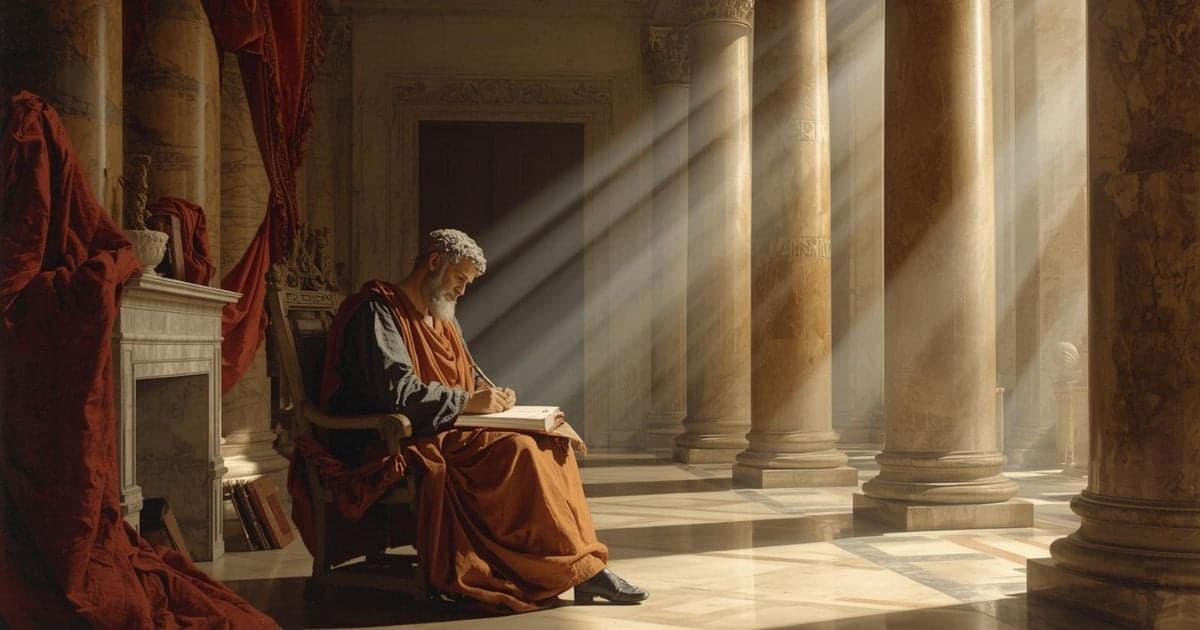
"From my grandfather Verus I learned good morals and the government of my temper."
Context: Opening his gratitude list by acknowledging his grandfather's influence
This sets the tone for the entire chapter - Marcus recognizes that character is taught, not innate. He's crediting others for shaping who he became, showing humility despite his power.
In Today's Words:
My grandfather taught me how to be a good person and keep my cool under pressure.
"From my mother, piety and beneficence, and abstinence, not only from evil deeds, but even from evil thoughts."
Context: Acknowledging his mother's moral influence on his character
This reveals Marcus's belief that true virtue goes beyond just avoiding bad actions - it means not even entertaining bad thoughts. It shows the depth of character training he received.
In Today's Words:
My mom taught me to be respectful and generous, and to not even think about doing wrong things.
"From Antoninus: to be neither over-heated in anything, nor yet indifferent, but to be the same in all cases of sickness and other troubles."
Context: Describing lessons learned from his adoptive father about emotional balance
This captures the Stoic ideal of emotional equilibrium - not being overwhelmed by highs or lows, but maintaining steady character regardless of circumstances.
In Today's Words:
My dad taught me not to get too worked up about anything or too checked out, but to stay steady whether things are going great or falling apart.
Thematic Threads
Class
In This Chapter
Marcus, despite ultimate power, positions himself as a student of everyone from family members to teachers
Development
Introduced here
In Your Life:
You might notice how acknowledging what you learned from coworkers or family members actually increases your credibility rather than diminishing it
Identity
In This Chapter
He defines himself not by his achievements but by what he's learned from others
Development
Introduced here
In Your Life:
You might see how your identity becomes more solid when you acknowledge the people who shaped your values and skills
Social Expectations
In This Chapter
Defies the expectation that powerful people should project self-sufficiency
Development
Introduced here
In Your Life:
You might recognize pressure to appear like you have everything figured out when asking for help or advice would be more effective
Personal Growth
In This Chapter
Growth comes from recognizing and integrating lessons from multiple sources
Development
Introduced here
In Your Life:
You might notice that your biggest breakthroughs happen when you can identify exactly what someone else taught you
Human Relationships
In This Chapter
Relationships are viewed as sources of wisdom rather than just social connections
Development
Introduced here
In Your Life:
You might see how treating interactions as learning opportunities strengthens bonds rather than making you appear needy
You now have the context. Time to form your own thoughts.
Discussion Questions
- 1
Anthony lists specific people who influenced him and exactly what they taught him. Why do you think he starts his personal journal this way instead of focusing on his own achievements?
analysis • surface - 2
He mentions learning not to get caught up in 'meaningless controversies' like sports rivalries. What drives people to invest emotional energy in things that don't actually affect their daily lives?
analysis • medium - 3
Think about leaders you respect versus ones you don't. How do they handle giving credit to others? What pattern do you notice?
application • medium - 4
Anthony prepares each morning to deal with difficult people by reminding himself they're just doing what they think is right. How could this mindset change how you handle your most challenging relationships?
application • deep - 5
An emperor with absolute power chooses to focus on gratitude and humility in his private thoughts. What does this reveal about what actually makes people feel secure versus insecure?
reflection • deep
Critical Thinking Exercise
Map Your Influence Network
Create Anthony's gratitude list for your own life. Write down 5-7 people who shaped who you are today, then beside each name, write the specific skill, attitude, or lesson they gave you. Don't just list family members - include teachers, coworkers, even difficult people who taught you what not to do.
Consider:
- •Include both positive and challenging influences - Anthony learned from everyone
- •Be specific about what each person taught you, not just general 'they were nice'
- •Notice which influences you've never acknowledged out loud
Journaling Prompt
Write about one person on your list who doesn't know how they influenced you. What would you tell them if you had the chance? How might acknowledging their influence change your relationship with them or with that lesson they taught you?
Coming Up Next...
Chapter 2: Time Is Running Out
Having acknowledged his debts to others, Marcus turns inward to examine the fundamental nature of existence itself. The second book will challenge everything you think you know about what really matters in life.