
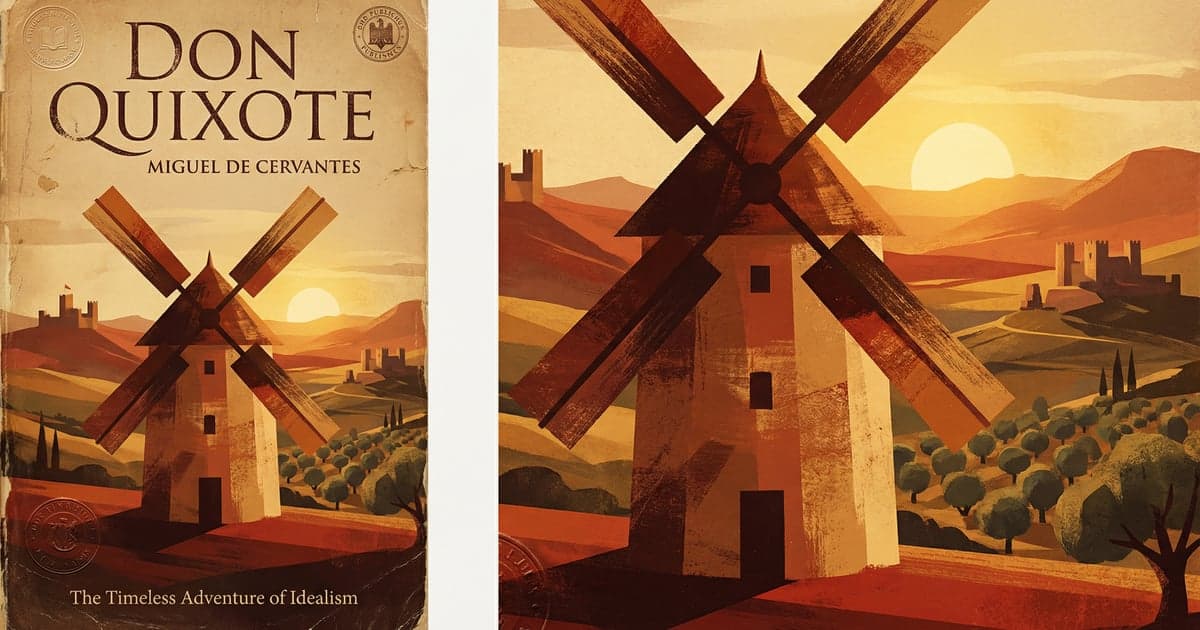
Quixote's eyes are not broken in a medical sense. They are employed. A basin, a mill, a puppet, a farm girl: each has a job in a book he has already finished. The overlay arrives before the object is allowed to testify. Sancho can still produce the unsponsored name, and even he learns to supply a spell when the quest would otherwise stall.
The inn later holds a vote. Helmet or basin, saddle or caparison. The metal does not change. The audience does. Appearance versus reality is not only a private error. It is a social sport. People who want the joke, the peace, or the knight's favour will certify a relic. White becomes black because the room has a reason.
Master Pedro's pasteboard is the cleanest test. The show is labeled fake and still gets cut to pieces. Reading the gap means asking two questions in order: what does this person need the thing to be, and who else is now paid, amused, or protected by agreeing? Until you have those answers, arguing about the object is theatre.
The Central Lesson
Appearance versus reality in this novel is not a coin flip between crazy and sane. It is a sequence: need, overlay, object, then a chorus that may certify the overlay. A basin becomes a helmet because an oath was waiting. A farm girl becomes a lady because a squire cannot produce the original. Pasteboard becomes a war because the episode has started. Read the need and the chorus first. The object will not get a fair hearing until those are named.
Applying This to Your Life
Name the Job the Object Is Doing
Before you correct someone, ask what the overlay is for: status, romance, a vow, a rescue identity. A basin that has to be a helmet is not a visual error. It is employment.
Watch the Vote, Not Just the Item
The inn's show of hands is how groups launder a frame. If the room laughs, profits, or keeps the peace by agreeing, the object has already lost. Find who cannot afford the ordinary name.
Do Not Argue Inside the Spell
Sancho's enchantment and Pedro's pasteboard both show that 'it's not real' can be absorbed as more magic. Change the scene, delay the charge, or bring a third witness who was not cast.
Other lessons in this book
More life-skill deep dives from the same classic.
Balancing Idealism and Pragmatism
Hold Quixote's vision and Sancho's earthiness in tension instead of choosing one as the only sane option.
5 chapters·Explore AnalysisDetecting Story-Driven Delusion
Notice when deep narrative immersion starts rewriting what you treat as real, as Quixote does from his first night of chivalry reading.
5 chapters·Explore AnalysisLiving Inside a Narrative
Follow Part II's metafiction as Quixote becomes famous for a story others have already read, and ask when your own role is performance.
5 chapters·Explore AnalysisLoyal Friendship Under Absurdity
Learn from Sancho's willingness to stay with Quixote through ridicule, beatings, and promises that never arrive on schedule.
5 chapters·Explore AnalysisWhen Noble Intentions Miss the Target
See how Quixote's hunger to right wrongs can still leave real people hurt when the script matters more than the scene.
5 chapters·Explore Analysis
Continue exploring
Explore this theme
The same lessons in other books
See how other books teach the same life skills.

The Essays of Montaigne
Choosing Real FriendshipHear essay 27 answer La Boétie: because it was he, because it was I.
The Idiot
Maintaining Goodness Without NaivetySit with Myshkin on the train in chapter 1: honesty with no angle, and a city that can only call it idiocy.
Jude the Obscure
When Desire Becomes a TrapTrack the pig, the dimple, the false pregnancy, and the second marriage arranged over gin.
Where the lesson lives in the book
The First Building Is Already a Castle
He needs a knighting, so the first roof he finds must be a castle. Peasant women become ladies because the genre requires a greeting. The overlay is not a hallucination that happens to him. It is a job the scene has to perform before he will ride on.
Key Insight:
Appearance is often a requirement, not a mistake. Ask what the person needs the room to be before you argue about what the room is.
“his craze being stronger than any reasoning, he made up his mind to have himself dubbed a knight by the first one he came across”
Mambrino Arrives on a Barbershop Errand
A barber wears a basin against the rain. Quixote has already sworn an oath about a helmet. The object does not get a hearing. It is assigned. Sancho, who can still see a basin, is told the previous owner failed to recognise treasure. Misrecognition is moved onto the other man.
Key Insight:
Once a relic has been promised, ordinary use looks like ignorance. The overlay protects the oath, not the eyes.
“there comes towards us one who wears on his head the helmet of Mambrino, concerning which I took the oath thou rememberest.”
The Inn Holds a Vote on Metal
At the inn the company is asked whether the thing is a basin or a helmet, a packsaddle or a caparison. People answer according to the game they are in. White is not black, except when the room has decided to play along. Reality becomes a show of hands.
Key Insight:
Groups can launder an overlay. If enough people have a reason to agree, the object loses. Check who benefits from the vote.
“this piece we have now before us, which this worthy gentleman has in his hands, not only is no barber's basin, but is as far from being one as white is from black”
Three Farm Girls, One Required Lady
Sancho needs a Dulcinea on demand. He points at the first women on the road and announces an enchantment. Quixote sees jackasses and garlic, then files the gap as a spell. The overlay now has a collaborator. Appearance is managed so the quest does not stall.
Key Insight:
When a witness starts producing the required vision, you have left honest disagreement. You have entered set design.
“I see nothing, Sancho, but three country girls on three jackasses.”
Pasteboard Moors Still Get the Sword
A puppet play tells a rescue. Quixote enters the story with a blade. Master Pedro shouts that the Moors are pasteboard. Quixote answers that enchanters put figures before his eyes and then change them. Even a labeled fake cannot survive the overlay once the plot has started.
Key Insight:
Labels do not always puncture a frame. If the person is already inside the episode, 'it's only a show' sounds like another enchantment.
“can't you see they're not real Moors you're knocking down and killing and destroying, but only little pasteboard figures!”