
Today · Headlines
September 5, 2026
A headline paired with two books that had already named the pattern underneath it.

Today · Headlines
September 5, 2026
U.S. forces strike three Iranian oil tankers after Revolutionary Guard missiles target two Navy warships
U.S. Central Command said Saturday it disabled two crude carriers near Kharg Island and destroyed a third in the Gulf of Oman — crews were warned to abandon ship before the strikes. The exchange followed IRGC ballistic missiles aimed at a carrier and guided-missile destroyer patrolling regional waters; CENTCOM said both evaded the attacks with no injuries. Washington framed the tankers as part of a multibillion-dollar network financing the Guard and its regional proxies. The strikes ended a month-long lull in direct confrontation and sent oil markets higher again, with insurers still pricing risk through the Strait of Hormuz. President Donald Trump had called the seven-month war "small potatoes" just a day earlier.
The life truth
How literature reiterates life truths from today's headlines
Every retaliation promises proportion. The strait remembers the exchange, not the justification.
How it relates to today's headline
Saturday's sequence is familiar by now: missiles at warships, tankers in the answer. CENTCOM will file proportion; Tehran will file atrocity; the waterway will file the bill. Literature has been watching this ledger since before the first mine entered the Hormuz channel. In The Art of War, Sun Tzu warns that the supreme art is to win without fighting — yet a chokepoint flatters the belief that one precise blow settles the argument. Seneca, writing to Lucilius from Rome's own wars of retaliation, knew the harder truth: you choose the strike; you do not choose how the other side names it, where they answer, or what the passage costs once both sides are trading tankers for tankers. The useful question is not whether Saturday's strikes were a lawful reply in a command centre. It is what both sides now owe the strait they are fighting to control.

The Art of War
The life truth
The supreme art is to win without fighting — but a chokepoint tempts every commander to believe one precise strike will end the argument.
Read guide
Letters from a Stoic
The life truth
You choose the strike; you do not choose how the other side names it, where they answer, or what the strait costs afterward.
Read guideEditorial series
Wide Reads ChroniclesHow today's ideas echo the past

Recognition walks backward from the popular summary until the older voice answers — who got named and what the culture kept selling after the page disagreed. One book, one cliché, one reckoning.
More books about Leadership
Both books in this edition share this thread. Here's where else it shows up.

Beowulf
Unknown

Richard III
William Shakespeare

Tao Te Ching
Lao Tzu

The Aeneid
Virgil

The Analects
Confucius

The Book of Five Rings
Miyamoto Musashi

The Prince
Niccolò Machiavelli

The Republic
Plato
Genres in this edition
Both books draw from these genres — browse further if today's pairing worked for you.
More books to explore
This edition features two. There are 118+ more in the library.
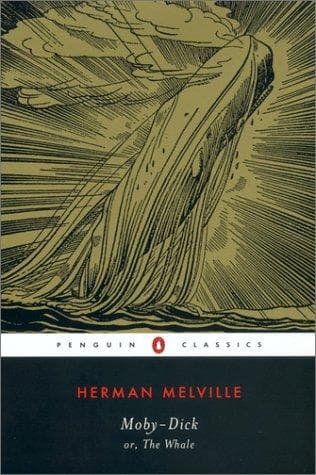
Moby-Dick
Herman Melville
The Count of Monte Cristo
Alexandre Dumas

Thus Spoke Zarathustra
Friedrich Nietzsche
Crime and Punishment
Fyodor Dostoevsky

A Sicilian Romance
Ann Radcliffe

War and Peace
Leo Tolstoy
The Gambler
Fyodor Dostoevsky
The Brothers Karamazov
Fyodor Dostoevsky
Get Weekly Insights from Classic Literature
Join our newsletter and receive timeless wisdom, modern applications, and deep dives into the classics—delivered straight to your inbox every week.
No spam. Unsubscribe anytime. We respect your privacy.
You deserve more.
$2.99/month
Everything in a free subscribed account, plus downloads, chapter audio, theme analysis, and member perks.
- All chapter audio across the library
- Theme analysis and study guide downloads
- Early access and exclusive Prestige content