Wide Reads
Literature MattersLife IndexEducators
Sign in
Where to Begin
War and Peace - Battle in the Fog

Leo Tolstoy

War and Peace

Battle in the Fog

Home›Books›War and Peace›Chapter 63
Previous
63 of 361
Next

Summary

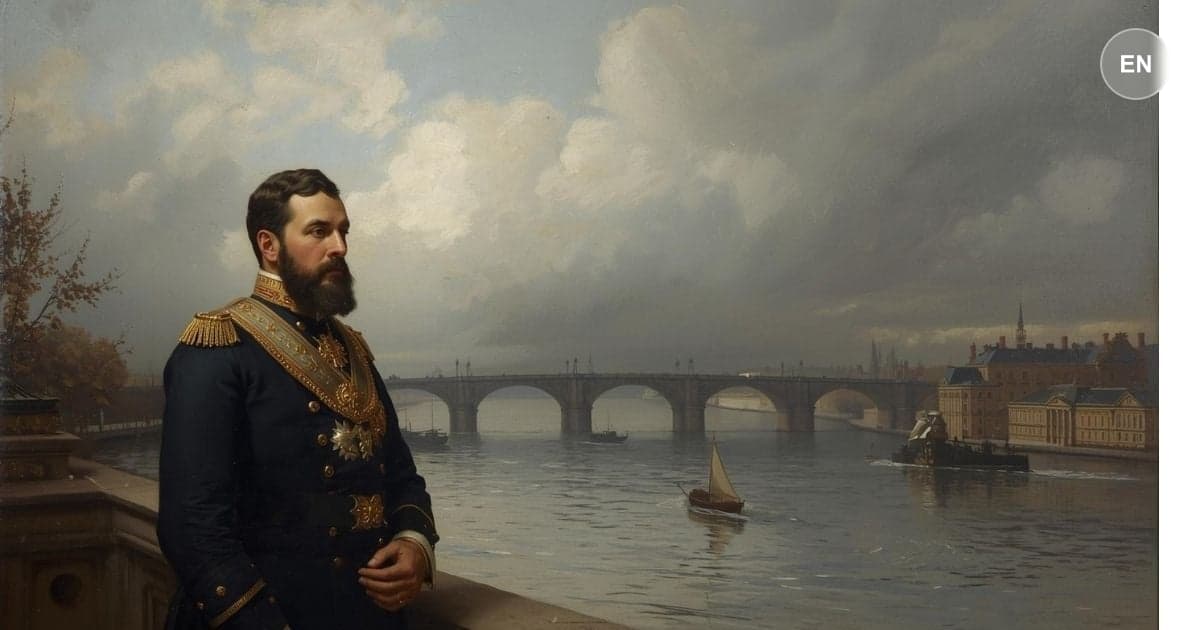
The morning of the Battle of Austerlitz begins in chaos and confusion. Russian troops march through dense fog, unable to see where they're going or what they're supposed to do. What starts as eager energy among the soldiers quickly turns to frustration and anger as orders get mixed up, columns get stuck, and nobody seems to know what's happening. The troops blame the Austrian allies—calling them 'sausage eaters'—for the confusion, showing how quickly people look for scapegoats when things go wrong. Meanwhile, Napoleon sits calmly on a hill above the fog, watching the Russian army make exactly the mistakes he predicted. He can see clearly while his enemies stumble around blind. The contrast is striking: Napoleon is patient, confident, and in control, celebrating the anniversary of his coronation like a man who knows he's already won. He waits for the perfect moment—when the sun burns off the fog—to strike. This chapter shows how battles are often won or lost before the first shot is fired. Poor communication, bad coordination, and leadership that's out of touch with reality create disasters waiting to happen. Napoleon understands that timing, positioning, and clarity of vision matter more than having more troops. He's playing chess while his opponents are stumbling around in the dark.

Coming Up in Chapter 64

The sun rises and the fog clears, revealing the true scope of Napoleon's trap. The battle that will reshape Europe is about to begin in earnest.

Share it with friends

Previous ChapterNext Chapter
GO ADS FREE — JOIN US
Original text
complete·2,005 words
A

t five in the morning it was still quite dark. The troops of the center, the reserves, and Bagratión’s right flank had not yet moved, but on the left flank the columns of infantry, cavalry, and artillery, which were to be the first to descend the heights to attack the French right flank and drive it into the Bohemian mountains according to plan, were already up and astir. The smoke of the campfires, into which they were throwing everything superfluous, made the eyes smart. It was cold and dark. The officers were hurriedly drinking tea and breakfasting, the soldiers, munching biscuit and beating a tattoo with their feet to warm themselves, gathering round the fires throwing into the flames the remains of sheds, chairs, tables, wheels, tubs, and everything that they did not want or could not carry away with them. Austrian column guides were moving in and out among the Russian troops and served as heralds of the advance. As soon as an Austrian officer showed himself near a commanding officer’s quarters, the regiment began to move: the soldiers ran from the fires, thrust their pipes into their boots, their bags into the carts, got their muskets ready, and formed rank. The officers buttoned up their coats, buckled on their swords and pouches, and moved along the ranks shouting. The train drivers and orderlies harnessed and packed the wagons and tied on the loads. The adjutants and battalion and regimental commanders mounted, crossed themselves, gave final instructions, orders, and commissions to the baggage men who remained behind, and the monotonous tramp of thousands of feet resounded. The column moved forward without knowing where and unable, from the masses around them, the smoke and the increasing fog, to see either the place they were leaving or that to which they were going.

1 / 11

Master this chapter. Complete your experience

Purchase the complete book to access all chapters and support classic literature

Read Free on GutenbergBuy at Powell'sBuy on Amazon

As an Amazon Associate, we earn a small commission from qualifying purchases at no additional cost to you.

Available in paperback, hardcover, and e-book formats

GO ADS FREE — JOIN US

Why This Matters

Connect literature to life

Skill: Reading Institutional Breakdown

This chapter teaches how to spot the early warning signs when organizations are about to implode due to communication failures and leadership disconnect.

Practice This Today

This week, notice when people start blaming 'them' - the other department, the administration, the corporate office - and ask yourself what information gaps might be creating the real problem.

GO ADS FREE — JOIN US

Now let's explore the literary elements.

Key Quotes & Analysis

"The smoke of the campfires, into which they were throwing everything superfluous, made the eyes smart."

— Narrator

Context: Describing the pre-battle scene as troops prepare to march

This detail shows how the Russians are literally creating their own fog and confusion, burning things that might be useful later. It's a metaphor for how they're making their situation worse through hasty decisions.

In Today's Words:

They were so focused on looking ready that they were making it harder to see what they were actually doing.

"It was growing light, the fog was lifting, but the enemy was not visible."

— Narrator

Context: As the Russian troops advance into what they think will be battle

The lifting fog should reveal the enemy and clarify the situation, but instead it shows how wrong their assumptions were. They're marching toward an enemy that isn't where they expected.

In Today's Words:

When the confusion cleared up, they realized they'd been completely wrong about what they were walking into.

"The sun of Austerlitz was shining on him."

— Narrator

Context: Describing Napoleon as he prepares for battle on the anniversary of his coronation

This famous line shows Napoleon in his moment of triumph, with both literal and symbolic light shining on him while his enemies stumble in darkness. The sun represents clarity, power, and divine favor.

In Today's Words:

This was his moment - everything was going exactly according to plan and he knew it.

Thematic Threads

Class

In This Chapter

Russian officers are disconnected from their troops' reality, making decisions from comfort while soldiers suffer in confusion

Development

Continues the pattern of aristocratic leadership being out of touch with ground-level consequences

In Your Life:

You might see this when upper management makes policy changes without understanding how they affect frontline workers

Power

In This Chapter

Napoleon demonstrates that real power comes from information and positioning, not just having more troops

Development

Shows how strategic thinking trumps brute force, building on earlier themes of intelligence over status

In Your Life:

You might recognize this when someone with less authority but better information outmaneuvers someone with a higher title

Communication

In This Chapter

The complete breakdown of communication creates chaos that Napoleon exploits, while clear orders would have prevented disaster

Development

Introduced here as a critical theme about how information flow determines outcomes

In Your Life:

You might experience this during shift changes when important patient information doesn't get passed along properly

Scapegoating

In This Chapter

Russian troops blame Austrian allies ('sausage eaters') for problems created by poor leadership and planning

Development

Shows how people deflect responsibility when systems fail, connecting to earlier themes of accountability

In Your Life:

You might see this when your workplace has problems and everyone blames the newest employee instead of fixing the real issues

Timing

In This Chapter

Napoleon waits patiently for the perfect moment when the fog lifts, understanding that patience and timing matter more than speed

Development

Introduced here as a key element of strategic thinking and emotional control

In Your Life:

You might apply this when dealing with family conflicts by waiting for the right moment to address issues rather than reacting immediately

GO ADS FREE — JOIN US

You now have the context. Time to form your own thoughts.

Discussion Questions

  1. 1

    Why were the Russian troops so confused and frustrated on the morning of the battle, and how did Napoleon take advantage of this?

    analysis • surface
  2. 2

    What role did the fog play in the battle, both literally and as a symbol for the Russians' lack of understanding?

    analysis • medium
  3. 3

    Think about a time when poor communication at work, school, or home created chaos. How did people react when they didn't know what was happening?

    application • medium
  4. 4

    When you're in a confusing situation where nobody seems to know what's going on, what strategies could you use to find clarity instead of getting caught up in the blame game?

    application • deep
  5. 5

    Why do people immediately start looking for scapegoats when things go wrong, and how does this make problems worse instead of solving them?

    reflection • deep

Critical Thinking Exercise

10 minutes

Find Your Hill Above the Fog

Think of a current situation in your life where there's confusion, mixed messages, or unclear expectations - maybe at work, in your family, or in your community. Write down what you can see clearly versus what's still 'foggy' to you. Then identify what questions you need to ask to get the clarity you need to navigate the situation successfully.

Consider:

  • •What information are you missing that would help you understand the bigger picture?
  • •Who has the authority to make decisions, and are they connected to what's actually happening on the ground?
  • •What would happen if you waited for more clarity before taking action, versus jumping in now?

Journaling Prompt

Write about a time when you had to make a decision without having all the information you wanted. What did you do to get clarity, and what would you do differently now?

GO ADS FREE — JOIN US

Coming Up Next...

Chapter 64: When Authority Meets Reality

The sun rises and the fog clears, revealing the true scope of Napoleon's trap. The battle that will reshape Europe is about to begin in earnest.

Continue to Chapter 64
Previous
Night Watch and Napoleon's Fire
Contents
Next
When Authority Meets Reality

Continue Exploring

War and Peace Study GuideTeaching ResourcesEssential Life IndexBrowse by ThemeAll Books
Power & CorruptionLove & RelationshipsIdentity & Self-Discovery

You Might Also Like

Anna Karenina cover

Anna Karenina

Leo Tolstoy

Also by Leo Tolstoy

The Idiot cover

The Idiot

Fyodor Dostoevsky

Explores love & romance

Moby-Dick cover

Moby-Dick

Herman Melville

Explores mortality & legacy

Dracula cover

Dracula

Bram Stoker

Explores love & romance

Browse all 47+ books

Share This Chapter

Know someone who'd enjoy this? Spread the wisdom!

TwitterFacebookLinkedInEmail

Read ad-free with Prestige

Get rid of ads, unlock study guides and downloads, and support free access for everyone.

Subscribe to PrestigeCreate free account
Intelligence Amplifier
Intelligence Amplifier™Powering Wide Reads

Exploring human-AI collaboration through books, essays, and philosophical dialogues. Classic literature transformed into navigational maps for modern life.

2025 Books

→ The Amplified Human Spirit→ The Alarming Rise of Stupidity Amplified→ San Francisco: The AI Capital of the World
Visit intelligenceamplifier.org
hello@widereads.com

WideReads Originals

→ You Are Not Lost→ The Last Chapter First→ The Lit of Love→ Wealth and Poverty→ 10 Paradoxes in the Classics · coming soon
Arvintech
arvintechAmplify your Mind
Visit at arvintech.com

Navigate

  • Home
  • Library
  • Essential Life Index
  • How It Works
  • Subscribe
  • Account
  • About
  • Contact
  • Authors
  • Suggest a Book
  • Landings

Made For You

  • Students
  • Educators
  • Families
  • Readers
  • Literary Analysis
  • Finding Purpose
  • Letting Go
  • Recovering from a Breakup
  • Corruption
  • Gaslighting in the Classics

Newsletter

Weekly insights from the classics. Amplify Your Mind.

Legal

  • Privacy Policy
  • Terms of Service
  • Cookie Policy
  • Accessibility

Why Public Domain?

We focus on public domain classics because these timeless works belong to everyone. No paywalls, no restrictions—just wisdom that has stood the test of centuries, freely accessible to all readers.

Public domain books have shaped humanity's understanding of love, justice, ambition, and the human condition. By amplifying these works, we help preserve and share literature that truly belongs to the world.

A Pilgrimage

Powell's City of Books

Portland, Oregon

If you ever find yourself in Portland, walk to the corner of Burnside and 10th. The building takes up an entire city block. Inside is over a million books, new and used on the same shelf, organized by color-coded rooms with names like the Rose Room and the Pearl Room. You can lose an afternoon. You can lose a weekend. You will find a book you have been looking for your whole life, and three you did not know existed.

It is a pilgrimage. We cannot find a bookstore like it anywhere on earth. If you read the classics, and you ever get the chance, go. It belongs on every reader's bucket list.

Visit powells.com

We are not in any way affiliated with Powell's. We are just a very big fan.

© 2026 Wide Reads™. All Rights Reserved.

Intelligence Amplifier™ and Wide Reads™ are proprietary trademarks of Arvin Lioanag.

Copyright Protection: All original content, analyses, discussion questions, pedagogical frameworks, and methodology are protected by U.S. and international copyright law. Unauthorized reproduction, distribution, web scraping, or use for AI training is strictly prohibited. See our Copyright Notice for details.

Disclaimer: The information provided on this website is for general informational and educational purposes only and does not constitute professional, legal, financial, or technical advice. While we strive to ensure accuracy and relevance, we make no warranties regarding completeness, reliability, or suitability. Any reliance on such information is at your own risk. We are not liable for any losses or damages arising from use of this site. By using this site, you agree to these terms.