Wide Reads
Literature MattersLife IndexEducators
Sign in
Where to Begin
War and Peace - The Emperor's Eyes

Leo Tolstoy

War and Peace

The Emperor's Eyes

Home›Books›War and Peace›Chapter 59
Previous
59 of 361
Next

Summary

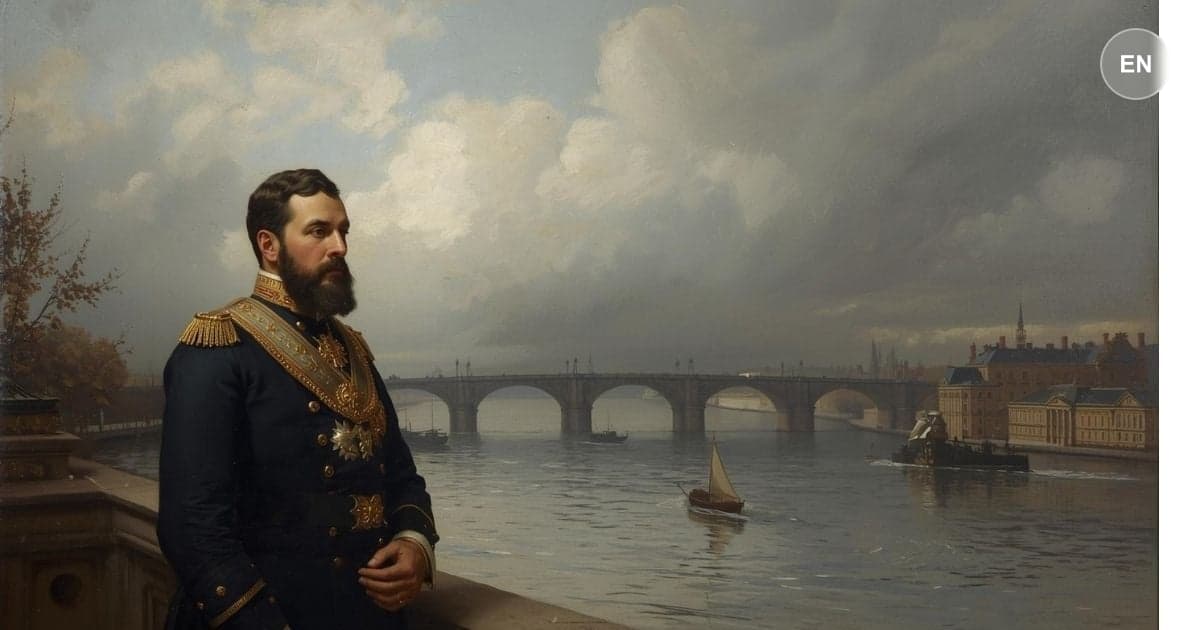
Nicholas Rostóv faces every soldier's nightmare: being left in reserve while others fight. As his squadron waits on the sidelines, he watches the aftermath of a small but successful battle unfold—wounded soldiers, captured French prisoners, and tales of victory that he had no part in. His frustration deepens as he realizes all his mental preparation for combat was wasted. But then Emperor Alexander himself rides by to inspect the troops. In a moment that transforms Rostóv's entire day, the Emperor's eyes meet his for just two seconds—a brief but profound connection that fills the young hussar with overwhelming devotion. Later, when Alexander witnesses a wounded soldier's suffering and tearfully declares war 'a terrible thing,' Rostóv sees both the humanity and the burden of leadership. That evening, as the officers celebrate with vodka and toasts, Rostóv's passionate speech about dying for the Emperor reveals how completely he's fallen under the spell of imperial charisma. His friend Denísov teases that since there's no one to fall in love with on campaign, Rostóv has fallen in love with the Tsar instead. This chapter captures how proximity to power can be more intoxicating than actual achievement, and how a single moment of human connection can overshadow hours of disappointment. It also shows how leaders inspire devotion not just through strength, but through their visible compassion for those who suffer in their name.

Coming Up in Chapter 60

The stage is set for the massive confrontation at Austerlitz, where all of Rostóv's romantic notions about war and glory will face their ultimate test. The real battle is about to begin.

Share it with friends

Previous ChapterNext Chapter
GO ADS FREE — JOIN US
Original text
complete·1,887 words
A

t dawn on the sixteenth of November, Denísov’s squadron, in which Nicholas Rostóv served and which was in Prince Bagratión’s detachment, moved from the place where it had spent the night, advancing into action as arranged, and after going behind other columns for about two thirds of a mile was stopped on the highroad. Rostóv saw the Cossacks and then the first and second squadrons of hussars and infantry battalions and artillery pass by and go forward and then Generals Bagratión and Dolgorúkov ride past with their adjutants. All the fear before action which he had experienced as previously, all the inner struggle to conquer that fear, all his dreams of distinguishing himself as a true hussar in this battle, had been wasted. Their squadron remained in reserve and Nicholas Rostóv spent that day in a dull and wretched mood. At nine in the morning, he heard firing in front and shouts of hurrah, and saw wounded being brought back (there were not many of them), and at last he saw how a whole detachment of French cavalry was brought in, convoyed by a sótnya of Cossacks. Evidently the affair was over and, though not big, had been a successful engagement. The men and officers returning spoke of a brilliant victory, of the occupation of the town of Wischau and the capture of a whole French squadron. The day was bright and sunny after a sharp night frost, and the cheerful glitter of that autumn day was in keeping with the news of victory which was conveyed, not only by the tales of those who had taken part in it, but also by the joyful expression on the faces of soldiers, officers, generals, and adjutants, as they passed Rostóv going or coming. And Nicholas, who had vainly suffered all the dread that precedes a battle and had spent that happy day in inactivity, was all the more depressed.

1 / 11

Master this chapter. Complete your experience

Purchase the complete book to access all chapters and support classic literature

Read Free on GutenbergBuy at Powell'sBuy on Amazon

As an Amazon Associate, we earn a small commission from qualifying purchases at no additional cost to you.

Available in paperback, hardcover, and e-book formats

GO ADS FREE — JOIN US

Why This Matters

Connect literature to life

Skill: Reading Power Dynamics

This chapter teaches how to recognize when proximity to power becomes more intoxicating than personal achievement.

Practice This Today

This week, notice when you feel more pride from a boss's compliment than from completing good work—that's the Recognition Trap in action.

GO ADS FREE — JOIN US

Now let's explore the literary elements.

Key Quotes & Analysis

"All the fear before action which he had experienced as previously, all the inner struggle to conquer that fear, all his dreams of distinguishing himself as a true hussar in this battle, had been wasted."

— Narrator

Context: When Rostóv realizes his squadron is staying in reserve and won't see action

Captures the devastating feeling of being psychologically prepared for something important, only to have the opportunity taken away. Shows how much mental energy Rostóv invested in this moment.

In Today's Words:

All that time he spent getting pumped up and ready to prove himself was for nothing.

"The Emperor's eyes met his for just two seconds, but those two seconds were worth more to Rostóv than all his previous life."

— Narrator

Context: When Alexander rides by and briefly looks at Rostóv during the inspection

Shows the incredible power of personal recognition from someone we admire. Two seconds of attention becomes more valuable than years of living.

In Today's Words:

That moment when the big boss actually noticed him meant everything to him.

"War is a terrible thing."

— Emperor Alexander

Context: After seeing a wounded soldier, the Emperor speaks with tears in his eyes

Reveals the human cost of leadership decisions. Alexander's emotional response shows he feels the weight of sending men into danger, making him more relatable and inspiring.

In Today's Words:

This whole thing is awful and I hate that people are getting hurt because of my decisions.

Thematic Threads

Identity

In This Chapter

Rostóv's sense of self becomes entirely dependent on the Emperor's momentary attention, transforming his identity from frustrated soldier to devoted subject

Development

Evolved from earlier chapters where Rostóv sought identity through military action—now he finds it through imperial recognition

In Your Life:

You might catch yourself defining your worth through your boss's approval rather than your actual work quality

Power

In This Chapter

The Emperor wields influence not through commands but through simple human presence and compassion for wounded soldiers

Development

Builds on earlier themes of how different characters exercise power—here showing charismatic authority in action

In Your Life:

You might notice how certain people command respect through genuine care rather than formal authority

Social Expectations

In This Chapter

Rostóv's passionate declaration about dying for the Emperor reveals how social pressure shapes even our most personal devotions

Development

Continues the pattern of characters performing expected roles rather than expressing authentic feelings

In Your Life:

You might find yourself expressing enthusiasm for things you think you should care about rather than what actually moves you

Human Relationships

In This Chapter

Denísov's teasing that Rostóv has fallen in love with the Tsar shows how we form intense emotional bonds with distant figures

Development

Extends earlier exploration of different types of love and attachment beyond romantic relationships

In Your Life:

You might recognize your own tendency to idealize public figures or distant authority figures you barely know

Personal Growth

In This Chapter

Rostóv's growth is stunted by finding easy satisfaction in imperial recognition rather than pushing through the frustration of missed opportunities

Development

Contrasts with other characters who grow through struggle—Rostóv chooses the easier path of borrowed glory

In Your Life:

You might catch yourself settling for compliments instead of pushing through difficult challenges that would actually develop your skills

GO ADS FREE — JOIN US

You now have the context. Time to form your own thoughts.

Discussion Questions

  1. 1

    Why does Rostóv feel more fulfilled by two seconds of eye contact with the Emperor than he would have from actually fighting in battle?

    analysis • surface
  2. 2

    What does it reveal about human nature that Rostóv falls deeper in love with the Emperor after seeing him cry over a wounded soldier?

    analysis • medium
  3. 3

    Where do you see people today getting more excited about being noticed by someone important than about their own actual accomplishments?

    application • medium
  4. 4

    How can you tell the difference between healthy respect for leadership and losing yourself in someone else's reflected glory?

    application • deep
  5. 5

    What does this chapter suggest about why we sometimes find other people's attention more satisfying than our own achievements?

    reflection • deep

Critical Thinking Exercise

10 minutes

Track Your Recognition Hunger

For the next week, notice when you feel more pride from being acknowledged by someone you respect than from your own work. Write down three specific moments when recognition felt more important than accomplishment. Then identify what you were really seeking—was it validation, belonging, or proof of your worth?

Consider:

  • •Recognition can motivate you or replace real achievement—which is happening?
  • •The people whose approval you crave might not even know what you're actually good at
  • •Your own internal scorecard matters more than external validation in the long run

Journaling Prompt

Write about a time when someone you admired acknowledged you. How did it change your behavior afterward? Did it inspire you to work harder or did you coast on that feeling?

GO ADS FREE — JOIN US

Coming Up Next...

Chapter 60: The Clock Begins to Tick

The stage is set for the massive confrontation at Austerlitz, where all of Rostóv's romantic notions about war and glory will face their ultimate test. The real battle is about to begin.

Continue to Chapter 60
Previous
Playing the Unwritten Rules
Contents
Next
The Clock Begins to Tick

Continue Exploring

War and Peace Study GuideTeaching ResourcesEssential Life IndexBrowse by ThemeAll Books
Power & CorruptionLove & RelationshipsIdentity & Self-Discovery

You Might Also Like

Anna Karenina cover

Anna Karenina

Leo Tolstoy

Also by Leo Tolstoy

The Idiot cover

The Idiot

Fyodor Dostoevsky

Explores love & romance

Moby-Dick cover

Moby-Dick

Herman Melville

Explores mortality & legacy

Dracula cover

Dracula

Bram Stoker

Explores love & romance

Browse all 47+ books

Share This Chapter

Know someone who'd enjoy this? Spread the wisdom!

TwitterFacebookLinkedInEmail

Read ad-free with Prestige

Get rid of ads, unlock study guides and downloads, and support free access for everyone.

Subscribe to PrestigeCreate free account
Intelligence Amplifier
Intelligence Amplifier™Powering Wide Reads

Exploring human-AI collaboration through books, essays, and philosophical dialogues. Classic literature transformed into navigational maps for modern life.

2025 Books

→ The Amplified Human Spirit→ The Alarming Rise of Stupidity Amplified→ San Francisco: The AI Capital of the World
Visit intelligenceamplifier.org
hello@widereads.com

WideReads Originals

→ You Are Not Lost→ The Last Chapter First→ The Lit of Love→ Wealth and Poverty→ 10 Paradoxes in the Classics · coming soon
Arvintech
arvintechAmplify your Mind
Visit at arvintech.com

Navigate

  • Home
  • Library
  • Essential Life Index
  • How It Works
  • Subscribe
  • Account
  • About
  • Contact
  • Authors
  • Suggest a Book
  • Landings

Made For You

  • Students
  • Educators
  • Families
  • Readers
  • Literary Analysis
  • Finding Purpose
  • Letting Go
  • Recovering from a Breakup
  • Corruption
  • Gaslighting in the Classics

Newsletter

Weekly insights from the classics. Amplify Your Mind.

Legal

  • Privacy Policy
  • Terms of Service
  • Cookie Policy
  • Accessibility

Why Public Domain?

We focus on public domain classics because these timeless works belong to everyone. No paywalls, no restrictions—just wisdom that has stood the test of centuries, freely accessible to all readers.

Public domain books have shaped humanity's understanding of love, justice, ambition, and the human condition. By amplifying these works, we help preserve and share literature that truly belongs to the world.

A Pilgrimage

Powell's City of Books

Portland, Oregon

If you ever find yourself in Portland, walk to the corner of Burnside and 10th. The building takes up an entire city block. Inside is over a million books, new and used on the same shelf, organized by color-coded rooms with names like the Rose Room and the Pearl Room. You can lose an afternoon. You can lose a weekend. You will find a book you have been looking for your whole life, and three you did not know existed.

It is a pilgrimage. We cannot find a bookstore like it anywhere on earth. If you read the classics, and you ever get the chance, go. It belongs on every reader's bucket list.

Visit powells.com

We are not in any way affiliated with Powell's. We are just a very big fan.

© 2026 Wide Reads™. All Rights Reserved.

Intelligence Amplifier™ and Wide Reads™ are proprietary trademarks of Arvin Lioanag.

Copyright Protection: All original content, analyses, discussion questions, pedagogical frameworks, and methodology are protected by U.S. and international copyright law. Unauthorized reproduction, distribution, web scraping, or use for AI training is strictly prohibited. See our Copyright Notice for details.

Disclaimer: The information provided on this website is for general informational and educational purposes only and does not constitute professional, legal, financial, or technical advice. While we strive to ensure accuracy and relevance, we make no warranties regarding completeness, reliability, or suitability. Any reliance on such information is at your own risk. We are not liable for any losses or damages arising from use of this site. By using this site, you agree to these terms.