

Chapter 41
When Systems Collapse Around You
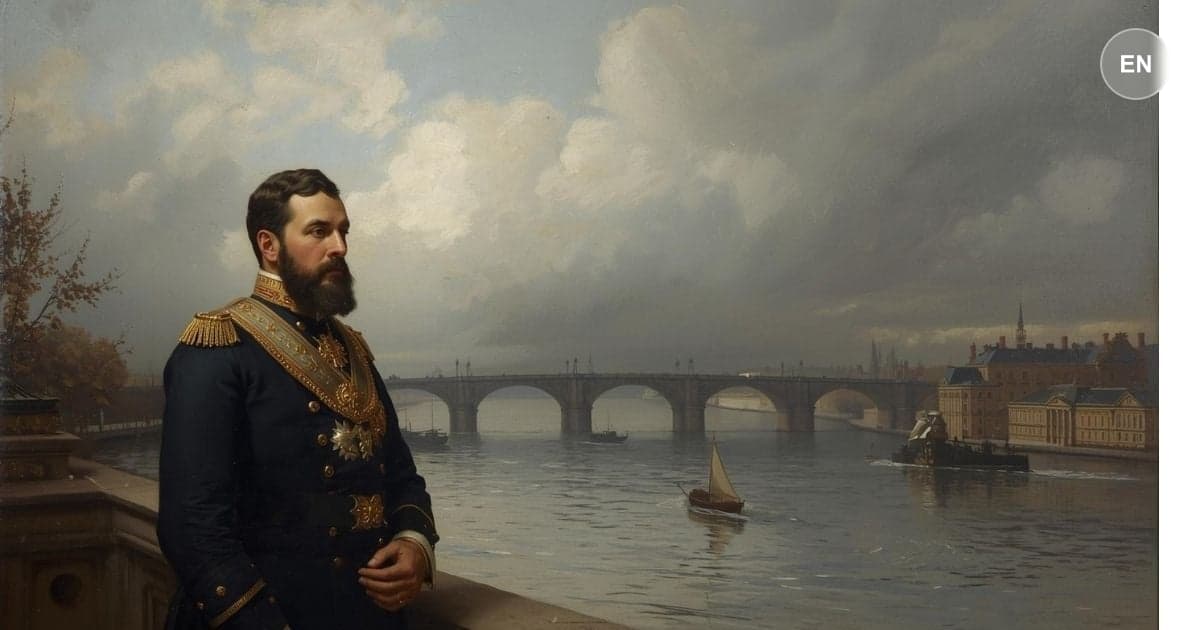
That same night, having taken leave of the Minister of War, Bolkónski set off to rejoin the army, not knowing where he would find it and fearing to be captured by the French on the way to Krems. In Brünn everybody attached to the court was packing up, and the heavy baggage was already being dispatched to Olmütz. Near Hetzelsdorf Prince Andrew struck the high road along which the Russian army was moving with great haste and in the greatest disorder. The road was so obstructed with carts that it was impossible to get by in a carriage. Prince Andrew…
Public-domain chapter text, formatted for reading.
Critical Thinking Exercise
Crisis Character Test
Think of three different crisis situations you've witnessed—at work, in your community, or in the news. For each situation, identify who stepped up to help others and who only looked out for themselves. Write down what specific actions revealed each person's true character when the pressure was on.
Consider:
- •Notice how crisis strips away pretense and social masks
- •Consider whether the 'helpers' had anything to gain or lose by their actions
- •Think about what these moments revealed that normal times kept hidden
Journaling Prompt
Write about a moment when you had to choose between self-protection and doing what's right. What did you learn about yourself from that choice, and how has it influenced how you handle difficult situations since then?
Master this chapter. Complete your experience
Purchase the complete book to access all chapters and support classic literature

Available in paperback, hardcover, and e-book formats
You Might Also Like

Lessons from War and Peace
Theme-by-theme analyses that connect this book to modern life skills.
Building Authentic Relationships
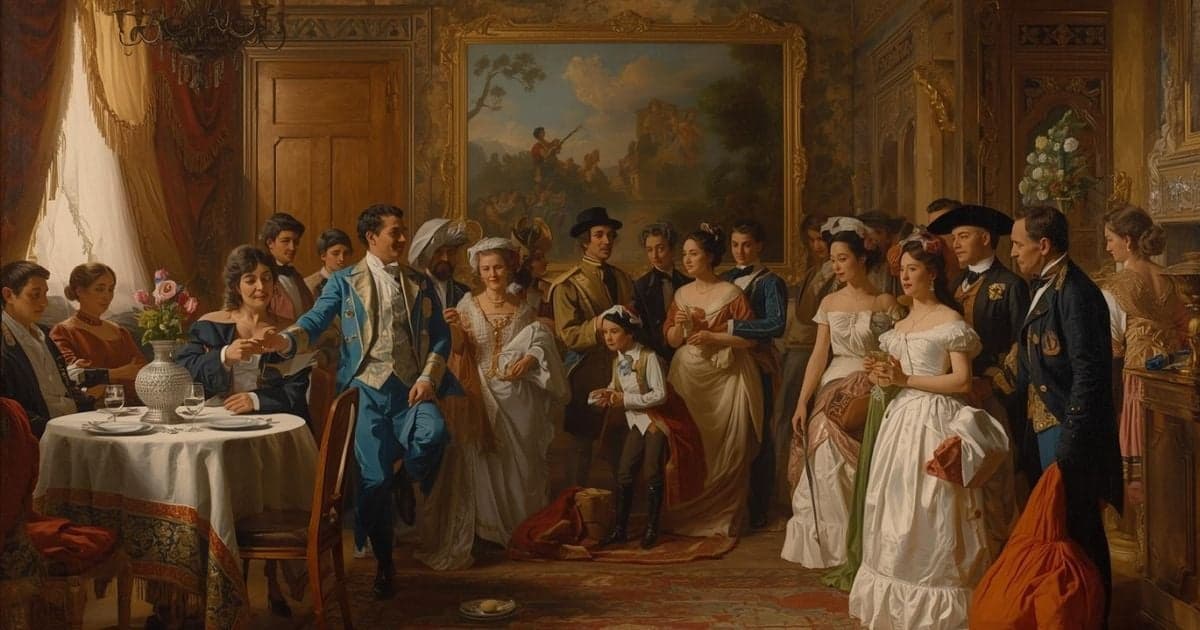
Watch Natasha's first dance, Anatole's playbook, and the epilogue marriage that includes reproach.
8 chapters·Explore AnalysisEmbracing Simplicity
Start with a tavern in the rain, then Karataev, Nicholas at the plow, and the domestic language after the war.
6 chapters·Explore AnalysisFacing Mortality
Stay with Andrei under the Austerlitz sky, then at Yaroslavl, when pride finally has no work left.
6 chapters·Explore AnalysisFinding Meaning in Chaos
Follow Pierre from the salon and the inheritance through Borodino to Karataev's prison circle, and see purpose arrive when the systems fail.
6 chapters·Explore AnalysisQuestioning Success
Put Pierre's fortune and Hélène's match next to Napoleon in occupied Moscow, and ask what the triumph was for.
6 chapters·Explore AnalysisUnderstanding Free Will vs Fate
Sit with Tolstoy at Borodino and in the Second Epilogue, and watch the great-man story come apart.
6 chapters·Explore Analysis
Deep diving the literary elements.