Wide Reads
Literature MattersLife IndexEducators
Sign in
Where to Begin
War and Peace - When Opportunity Knocks During Crisis

Leo Tolstoy

War and Peace

When Opportunity Knocks During Crisis

Home›Books›War and Peace›Chapter 40
Previous
40 of 361
Next

Summary

Prince Andrew meets Emperor Francis, expecting to deliver a detailed battle report that could advance his career. Instead, the Emperor asks only basic questions—when did it start, how many miles, what time did someone die—clearly going through the motions without real interest. Andrew realizes he's just checking boxes, not seeking strategic insight. Despite this disappointment, Andrew receives honors and invitations from Austrian nobility. Meanwhile, his friend Bilíbin delivers shocking news: the French have captured a crucial bridge through an elaborate con game. French marshals approached the Austrian commander with white flags, claiming they wanted to negotiate. They flattered him, joked around, and distracted him while French troops quietly secured the bridge. When a sergeant tried to warn about the deception, the French cleverly accused him of insubordination, and the prideful Austrian commander had his own man arrested. Now the Austrian army faces disaster, trapped with the French advancing on multiple fronts. Bilíbin urges Andrew to stay safe and retreat with the diplomats, but Andrew sees this crisis as his chance for glory—his 'Toulon moment' where he'll save the army and make his reputation. The chapter reveals how people respond differently to crisis: some seek safety, others see opportunity. It also shows how social manipulation works—using flattery, authority, and pride to blind people to obvious threats.

Coming Up in Chapter 41

Andrew rushes toward what he believes will be his moment of destiny, but the reality of war may prove far different from his romantic dreams of glory. The French advance continues, and hard choices await.

Share it with friends

Previous ChapterNext Chapter
GO ADS FREE — JOIN US
Original text
complete·1,974 words
A

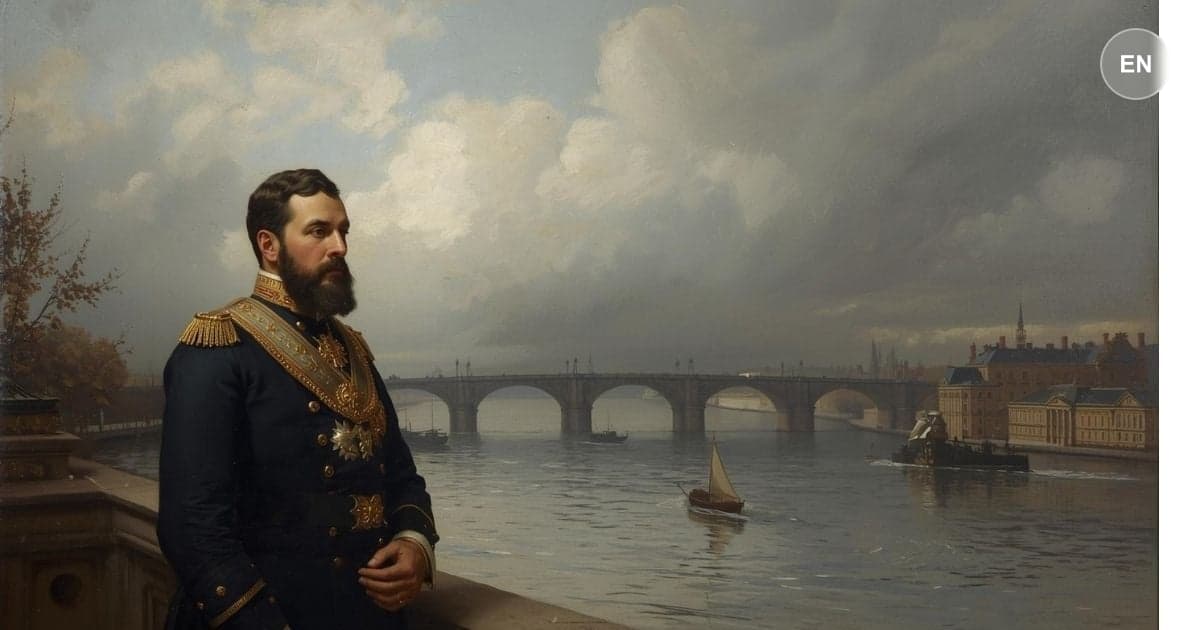
t the levee Prince Andrew stood among the Austrian officers as he had been told to, and the Emperor Francis merely looked fixedly into his face and just nodded to him with his long head. But after it was over, the adjutant he had seen the previous day ceremoniously informed Bolkónski that the Emperor desired to give him an audience. The Emperor Francis received him standing in the middle of the room. Before the conversation began Prince Andrew was struck by the fact that the Emperor seemed confused and blushed as if not knowing what to say.

“Tell me, when did the battle begin?” he asked hurriedly.

Prince Andrew replied. Then followed other questions just as simple: “Was Kutúzov well? When had he left Krems?” and so on. The Emperor spoke as if his sole aim were to put a given number of questions—the answers to these questions, as was only too evident, did not interest him.

“At what o’clock did the battle begin?” asked the Emperor.

1 / 11

Master this chapter. Complete your experience

Purchase the complete book to access all chapters and support classic literature

Read Free on GutenbergBuy at Powell'sBuy on Amazon

As an Amazon Associate, we earn a small commission from qualifying purchases at no additional cost to you.

Available in paperback, hardcover, and e-book formats

GO ADS FREE — JOIN US

Why This Matters

Connect literature to life

Skill: Detecting Manipulation

This chapter teaches how to recognize when flattery is being weaponized to bypass someone's critical thinking.

Practice This Today

This week, notice when someone praises your expertise heavily before making a request—pause and ask what they really want.

GO ADS FREE — JOIN US

Now let's explore the literary elements.

Key Quotes & Analysis

"The Emperor spoke as if his sole aim were to put a given number of questions—the answers to these questions, as was only too evident, did not interest him."

— Narrator

Context: Describing Emperor Francis during Andrew's audience

This reveals how power often creates distance from reality. The Emperor performs his duty of gathering information but doesn't actually process it. It shows the gap between ceremony and substance in leadership.

In Today's Words:

He was just going through the motions, asking questions because he was supposed to, not because he actually wanted to know.

"But the Emperor smiled and interrupted him."

— Narrator

Context: When Andrew tries to give his prepared detailed report

This moment crushes Andrew's expectations and shows how prepared expertise often gets dismissed by those in power. The smile makes the dismissal even more patronizing.

In Today's Words:

The boss cut him off with a fake smile, clearly not interested in hearing the actual details.

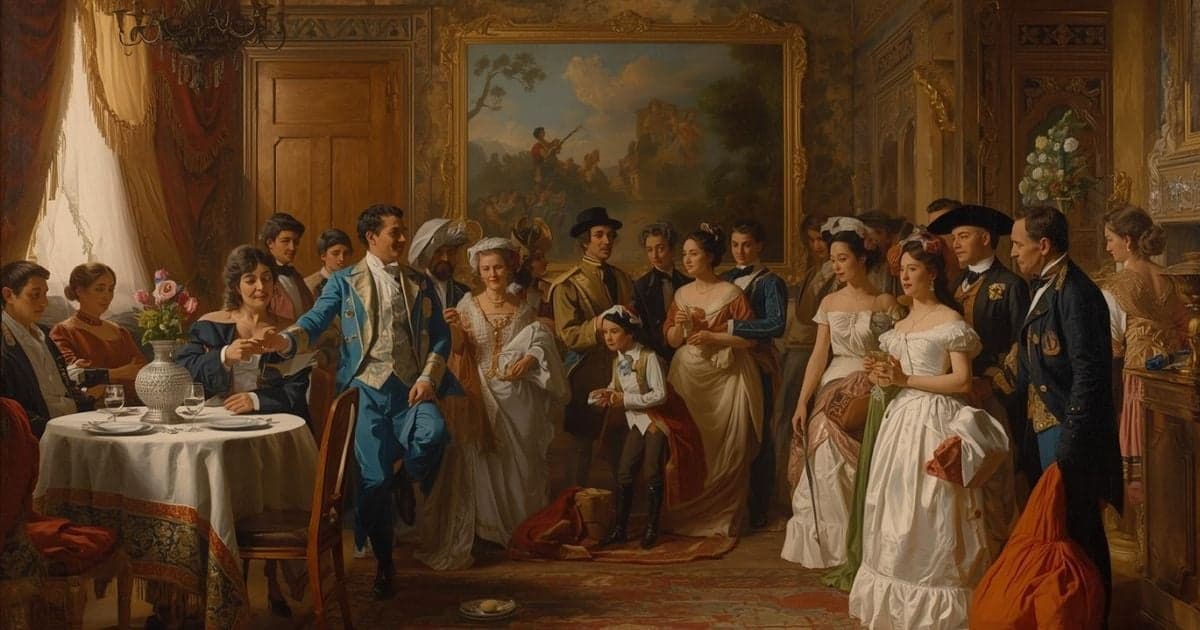
"They flattered him, joked around, and distracted him while French troops quietly secured the bridge."

— Bilibin

Context: Explaining how the French tricked the Austrian commander

This shows how social manipulation works - using charm and ego-stroking to blind people to obvious threats. The Austrian commander's pride made him vulnerable to deception.

In Today's Words:

They buttered him up and kept him busy chatting while they pulled off the real scheme behind his back.

Thematic Threads

Deception

In This Chapter

French marshals use elaborate social manipulation to capture the bridge through misdirection and flattery

Development

Builds on earlier themes of social masks and hidden motives in aristocratic society

In Your Life:

You might encounter this when someone compliments your skills excessively before asking for a big favor

Pride

In This Chapter

The Austrian commander's pride in his authority makes him dismiss warnings and arrest his own sergeant

Development

Continues exploring how pride creates blind spots that others can exploit

In Your Life:

Your expertise in one area might make you overconfident and miss red flags in related situations

Opportunity

In This Chapter

Prince Andrew sees the military crisis as his chance for career-defining glory rather than a disaster to avoid

Development

Shows how different people respond to the same crisis based on their personal ambitions

In Your Life:

You might recognize moments when others see problems but you see your chance to step up and prove yourself

Authority

In This Chapter

Social manipulation works by exploiting respect for hierarchy and making the commander complicit in his own deception

Development

Examines how authority structures can be turned against themselves

In Your Life:

You might notice how people use your position or expertise to manipulate you into decisions that serve their interests

Recognition

In This Chapter

Prince Andrew receives honors from the Emperor but realizes the recognition is hollow and bureaucratic

Development

Explores the gap between meaningful achievement and empty ceremonial acknowledgment

In Your Life:

You might experience moments when official recognition feels meaningless because it doesn't reflect real understanding of your work

GO ADS FREE — JOIN US

You now have the context. Time to form your own thoughts.

Discussion Questions

  1. 1

    Why did the Austrian commander believe the French marshals instead of his own sergeant who tried to warn him?

    analysis • surface
  2. 2

    What made the French deception so effective - was it just the lies, or something deeper about how they approached the commander?

    analysis • medium
  3. 3

    Where have you seen people use excessive flattery or praise to get what they want in your workplace, relationships, or community?

    application • medium
  4. 4

    When someone compliments your skills or expertise heavily before asking for something, what warning signs should you look for?

    application • deep
  5. 5

    Why are competent, experienced people sometimes more vulnerable to manipulation than those who are less skilled?

    reflection • deep

Critical Thinking Exercise

10 minutes

Spot the Setup

Think of a recent situation where someone praised you heavily before asking for something - a favor, money, agreement to something. Write down exactly what they said and how they said it. Then analyze: What did they compliment? How did it make you feel? What did they want? Did you give it to them?

Consider:

  • •Notice if the praise was unusually specific or over-the-top compared to normal interactions
  • •Pay attention to timing - did the request come immediately after the flattery?
  • •Consider whether they praised something you're particularly proud of or insecure about

Journaling Prompt

Write about a time when someone's flattery made you ignore red flags or warning signs from others. What would you do differently now?

GO ADS FREE — JOIN US

Coming Up Next...

Chapter 41: When Systems Collapse Around You

Andrew rushes toward what he believes will be his moment of destiny, but the reality of war may prove far different from his romantic dreams of glory. The French advance continues, and hard choices await.

Continue to Chapter 41
Previous
The Diplomatic Game
Contents
Next
When Systems Collapse Around You

Continue Exploring

War and Peace Study GuideTeaching ResourcesEssential Life IndexBrowse by ThemeAll Books
Power & CorruptionLove & RelationshipsIdentity & Self-Discovery

You Might Also Like

Anna Karenina cover

Anna Karenina

Leo Tolstoy

Also by Leo Tolstoy

The Idiot cover

The Idiot

Fyodor Dostoevsky

Explores love & romance

Moby-Dick cover

Moby-Dick

Herman Melville

Explores mortality & legacy

Dracula cover

Dracula

Bram Stoker

Explores love & romance

Browse all 47+ books

Share This Chapter

Know someone who'd enjoy this? Spread the wisdom!

TwitterFacebookLinkedInEmail

Read ad-free with Prestige

Get rid of ads, unlock study guides and downloads, and support free access for everyone.

Subscribe to PrestigeCreate free account
Intelligence Amplifier
Intelligence Amplifier™Powering Wide Reads

Exploring human-AI collaboration through books, essays, and philosophical dialogues. Classic literature transformed into navigational maps for modern life.

2025 Books

→ The Amplified Human Spirit→ The Alarming Rise of Stupidity Amplified→ San Francisco: The AI Capital of the World
Visit intelligenceamplifier.org
hello@widereads.com

WideReads Originals

→ You Are Not Lost→ The Last Chapter First→ The Lit of Love→ Wealth and Poverty→ 10 Paradoxes in the Classics · coming soon
Arvintech
arvintechAmplify your Mind
Visit at arvintech.com

Navigate

  • Home
  • Library
  • Essential Life Index
  • How It Works
  • Subscribe
  • Account
  • About
  • Contact
  • Authors
  • Suggest a Book
  • Landings

Made For You

  • Students
  • Educators
  • Families
  • Readers
  • Literary Analysis
  • Finding Purpose
  • Letting Go
  • Recovering from a Breakup
  • Corruption
  • Gaslighting in the Classics

Newsletter

Weekly insights from the classics. Amplify Your Mind.

Legal

  • Privacy Policy
  • Terms of Service
  • Cookie Policy
  • Accessibility

Why Public Domain?

We focus on public domain classics because these timeless works belong to everyone. No paywalls, no restrictions—just wisdom that has stood the test of centuries, freely accessible to all readers.

Public domain books have shaped humanity's understanding of love, justice, ambition, and the human condition. By amplifying these works, we help preserve and share literature that truly belongs to the world.

A Pilgrimage

Powell's City of Books

Portland, Oregon

If you ever find yourself in Portland, walk to the corner of Burnside and 10th. The building takes up an entire city block. Inside is over a million books, new and used on the same shelf, organized by color-coded rooms with names like the Rose Room and the Pearl Room. You can lose an afternoon. You can lose a weekend. You will find a book you have been looking for your whole life, and three you did not know existed.

It is a pilgrimage. We cannot find a bookstore like it anywhere on earth. If you read the classics, and you ever get the chance, go. It belongs on every reader's bucket list.

Visit powells.com

We are not in any way affiliated with Powell's. We are just a very big fan.

© 2026 Wide Reads™. All Rights Reserved.

Intelligence Amplifier™ and Wide Reads™ are proprietary trademarks of Arvin Lioanag.

Copyright Protection: All original content, analyses, discussion questions, pedagogical frameworks, and methodology are protected by U.S. and international copyright law. Unauthorized reproduction, distribution, web scraping, or use for AI training is strictly prohibited. See our Copyright Notice for details.

Disclaimer: The information provided on this website is for general informational and educational purposes only and does not constitute professional, legal, financial, or technical advice. While we strive to ensure accuracy and relevance, we make no warranties regarding completeness, reliability, or suitability. Any reliance on such information is at your own risk. We are not liable for any losses or damages arising from use of this site. By using this site, you agree to these terms.