Wide Reads
Literature MattersLife IndexEducators
Sign in
Where to Begin
War and Peace - War Games and Nervous Energy

Leo Tolstoy

War and Peace

War Games and Nervous Energy

Home›Books›War and Peace›Chapter 34
Previous
34 of 361
Next

Summary

As Russian forces retreat toward Vienna, destroying bridges behind them, we witness a telling moment of military life during the crossing at Enns. General Kutuzov's rearguard holds position on a hill, watching their troops cross below while enemy forces approach. The scene reveals how people handle stress and danger through small comforts and dark humor. Prince Nesvitski, a staff officer, shares food and drink with fellow officers, making crude jokes about the nearby nunnery to lighten the mood. Meanwhile, the commanding general grows increasingly anxious as he watches through his field glass, frustrated that troops are moving too slowly while under potential enemy fire. The contrast is striking: some men joke and eat to cope with tension, while others focus grimly on the tactical situation. When enemy artillery begins firing, the general orders his own guns to return fire 'for fun' - a moment that shows how violence can become casual entertainment when you're removed from its immediate consequences. The chapter captures a universal truth about how people handle stress differently - some through humor and distraction, others through intense focus on the task at hand. It also reveals how war creates strange moments where life and death decisions mix with mundane concerns like sharing a meal or making jokes. Tolstoy shows us that even in retreat, even facing danger, people find ways to maintain their humanity and cope with fear.

Coming Up in Chapter 35

The retreat continues as Russian forces face increasing pressure from pursuing enemies. Critical decisions about the bridge crossing will test both military strategy and individual courage under fire.

Share it with friends

Previous ChapterNext Chapter
GO ADS FREE — JOIN US
Original text
complete·943 words
K

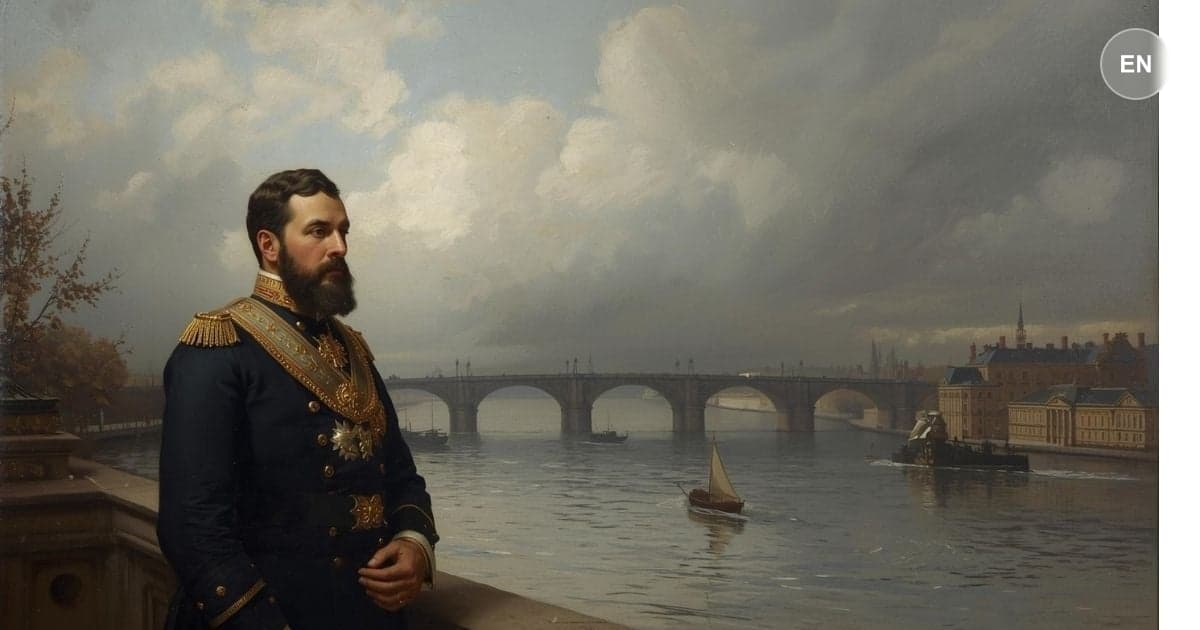
utúzov fell back toward Vienna, destroying behind him the bridges over the rivers Inn (at Braunau) and Traun (near Linz). On October 23 the Russian troops were crossing the river Enns. At midday the Russian baggage train, the artillery, and columns of troops were defiling through the town of Enns on both sides of the bridge.

1 / 6

Master this chapter. Complete your experience

Purchase the complete book to access all chapters and support classic literature

Read Free on GutenbergBuy at Powell'sBuy on Amazon

As an Amazon Associate, we earn a small commission from qualifying purchases at no additional cost to you.

Available in paperback, hardcover, and e-book formats

GO ADS FREE — JOIN US

Why This Matters

Connect literature to life

Skill: Reading Stress Responses

This chapter teaches how to identify and respect different ways people handle pressure without judging their coping mechanisms.

Practice This Today

This week, notice when someone handles stress differently than you do - instead of judging them as too serious or too casual, ask what they need to feel supported right now.

GO ADS FREE — JOIN US

Now let's explore the literary elements.

Key Quotes & Analysis

"It would be nice if they'd be quicker"

— The general

Context: Watching his troops cross too slowly while enemy forces approach

This simple statement reveals the crushing weight of command - knowing that every minute of delay could cost lives, but being unable to make things move faster. It shows how military leaders must balance urgency with the reality of logistics.

In Today's Words:

Come on, people, we don't have all day for this

"Oh, what a fine fellow!"

— Nesvitski

Context: Making crude jokes about the nuns in the nearby convent

This inappropriate humor shows how people use distraction and shock value to cope with fear and tension. It's a defense mechanism that helps maintain sanity in insane situations.

In Today's Words:

Did you see that? Now that's what I'm talking about!

"Fire at them for fun"

— The general

Context: Ordering his artillery to return enemy fire

The casual use of 'for fun' when ordering deadly force shows how war can make violence seem routine. It reveals how people in power can become detached from the human cost of their decisions.

In Today's Words:

Let's give them a taste of their own medicine

Thematic Threads

Class

In This Chapter

Officers share food and make jokes while enlisted men do dangerous work below, showing how rank creates distance from consequences

Development

Continues the theme of how social position affects perspective and responsibility

In Your Life:

You might notice how management handles workplace stress differently than front-line workers who face the actual consequences

Human Relationships

In This Chapter

Bonds form through shared meals and humor even in dangerous situations, while others connect through shared professional focus

Development

Shows how relationships adapt to extreme circumstances, building on earlier themes of wartime connections

In Your Life:

You might see how some friendships strengthen through joking during hard times while others bond through serious problem-solving

Identity

In This Chapter

Each character reveals their core identity through how they handle stress - the joker, the worrier, the commander

Development

Builds on how war strips away social masks to reveal true character

In Your Life:

You might recognize how crisis situations reveal who people really are beneath their everyday personas

Social Expectations

In This Chapter

Military hierarchy expects certain behaviors, but stress reveals individual coping styles that don't always match rank expectations

Development

Continues exploring how formal roles clash with human nature

In Your Life:

You might notice how workplace expectations about 'professional behavior' during stress don't account for different coping styles

You now have the context. Time to form your own thoughts.

Discussion Questions

  1. 1

    What two different ways do the officers handle the stress of being under potential enemy fire?

    analysis • surface
  2. 2

    Why do you think some people joke around during dangerous situations while others become intensely focused?

    analysis • medium
  3. 3

    Where have you seen this same pattern of different stress responses in your workplace, family, or community?

    application • medium
  4. 4

    When you're in a high-stress situation with others, how do you handle the tension between different coping styles?

    application • deep
  5. 5

    What does this scene teach us about judging others for how they handle pressure?

    reflection • deep

Critical Thinking Exercise

10 minutes

Map Your Stress Response Team

Think of a recent stressful situation involving multiple people - a work deadline, family crisis, or community problem. Draw a simple diagram showing who handled stress which way: jokers/socializers on one side, focused/quiet processors on the other. Mark yourself on the spectrum. Then identify one person whose coping style annoyed or confused you at the time.

Consider:

  • •Neither coping style is better or worse - they're just different ways of managing the same anxiety
  • •People often judge others for not handling stress the 'right' way (meaning their way)
  • •The most effective teams have both types working together, not against each other

Journaling Prompt

Write about a time when someone's way of handling stress frustrated you. Looking back, what were they actually trying to accomplish? How might you respond differently now?

Coming Up Next...

Chapter 35: Chaos on the Bridge

The retreat continues as Russian forces face increasing pressure from pursuing enemies. Critical decisions about the bridge crossing will test both military strategy and individual courage under fire.

Continue to Chapter 35
Previous
Honor vs Pride in Military Life
Contents
Next
Chaos on the Bridge

Continue Exploring

War and Peace Study GuideTeaching ResourcesEssential Life IndexBrowse by ThemeAll Books
Power & CorruptionLove & RelationshipsIdentity & Self-Discovery

You Might Also Like

Anna Karenina cover

Anna Karenina

Leo Tolstoy

Also by Leo Tolstoy

The Idiot cover

The Idiot

Fyodor Dostoevsky

Explores love & romance

Moby-Dick cover

Moby-Dick

Herman Melville

Explores mortality & legacy

Dracula cover

Dracula

Bram Stoker

Explores love & romance

Browse all 47+ books

Share This Chapter

Know someone who'd enjoy this? Spread the wisdom!

TwitterFacebookLinkedInEmail

Read ad-free with Prestige

Get rid of ads, unlock study guides and downloads, and support free access for everyone.

Subscribe to PrestigeCreate free account
Intelligence Amplifier
Intelligence Amplifier™Powering Wide Reads

Exploring human-AI collaboration through books, essays, and philosophical dialogues. Classic literature transformed into navigational maps for modern life.

2025 Books

→ The Amplified Human Spirit→ The Alarming Rise of Stupidity Amplified→ San Francisco: The AI Capital of the World
Visit intelligenceamplifier.org
hello@widereads.com

WideReads Originals

→ You Are Not Lost→ The Last Chapter First→ The Lit of Love→ Wealth and Poverty→ 10 Paradoxes in the Classics · coming soon
Arvintech
arvintechAmplify your Mind
Visit at arvintech.com

Navigate

  • Home
  • Library
  • Essential Life Index
  • How It Works
  • Subscribe
  • Account
  • About
  • Contact
  • Authors
  • Suggest a Book
  • Landings

Made For You

  • Students
  • Educators
  • Families
  • Readers
  • Literary Analysis
  • Finding Purpose
  • Letting Go
  • Recovering from a Breakup
  • Corruption
  • Gaslighting in the Classics

Newsletter

Weekly insights from the classics. Amplify Your Mind.

Legal

  • Privacy Policy
  • Terms of Service
  • Cookie Policy
  • Accessibility

Why Public Domain?

We focus on public domain classics because these timeless works belong to everyone. No paywalls, no restrictions—just wisdom that has stood the test of centuries, freely accessible to all readers.

Public domain books have shaped humanity's understanding of love, justice, ambition, and the human condition. By amplifying these works, we help preserve and share literature that truly belongs to the world.

A Pilgrimage

Powell's City of Books

Portland, Oregon

If you ever find yourself in Portland, walk to the corner of Burnside and 10th. The building takes up an entire city block. Inside is over a million books, new and used on the same shelf, organized by color-coded rooms with names like the Rose Room and the Pearl Room. You can lose an afternoon. You can lose a weekend. You will find a book you have been looking for your whole life, and three you did not know existed.

It is a pilgrimage. We cannot find a bookstore like it anywhere on earth. If you read the classics, and you ever get the chance, go. It belongs on every reader's bucket list.

Visit powells.com

We are not in any way affiliated with Powell's. We are just a very big fan.

© 2026 Wide Reads™. All Rights Reserved.

Intelligence Amplifier™ and Wide Reads™ are proprietary trademarks of Arvin Lioanag.

Copyright Protection: All original content, analyses, discussion questions, pedagogical frameworks, and methodology are protected by U.S. and international copyright law. Unauthorized reproduction, distribution, web scraping, or use for AI training is strictly prohibited. See our Copyright Notice for details.

Disclaimer: The information provided on this website is for general informational and educational purposes only and does not constitute professional, legal, financial, or technical advice. While we strive to ensure accuracy and relevance, we make no warranties regarding completeness, reliability, or suitability. Any reliance on such information is at your own risk. We are not liable for any losses or damages arising from use of this site. By using this site, you agree to these terms.