Master this chapter. Complete your experience
Purchase the complete book to access all chapters and support classic literature

As an Amazon Associate, we earn a small commission from qualifying purchases at no additional cost to you.
Available in paperback, hardcover, and e-book formats
Why This Matters
Connect literature to life
This chapter teaches how to distinguish between people who perform caring and those who actually contribute.
Practice This Today
This week, notice when someone's loudest advocacy corresponds with their smallest actual effort—then quietly focus on what genuinely needs doing.
Now let's explore the literary elements.
Key Quotes & Analysis
"Most of the people at that time paid no attention to the general progress of events but were guided only by their private interests, and they were the very people whose activities at that period were most useful."
Context: Tolstoy explaining why ordinary self-interest served Russia better than grand patriotic gestures
This reveals Tolstoy's core insight about human nature during crisis. People doing their actual jobs - farmers farming, merchants trading, soldiers following orders - kept society functioning better than those trying to be heroes.
In Today's Words:
The people just trying to pay their bills and do their jobs actually kept everything running better than the ones making grand speeches about saving the country.
"Those who tried to understand the general course of events and to take part in it by self-sacrifice and heroism were the most useless members of society."
Context: Tolstoy's observation about why conscious attempts at heroism often backfire
This challenges our romantic notions about crisis response. Tolstoy suggests that authentic, natural action matters more than performed virtue or trying too hard to be significant.
In Today's Words:
The people who kept talking about how they were going to save everyone usually just got in the way of people actually getting stuff done.
"It appears so to us because we see only the general historic interest of that time and do not see all the personal human interests that people had."
Context: Explaining why we misunderstand how people actually lived through historical events
Tolstoy reminds us that people in the past were just as human as we are - worried about rent, relationships, and daily survival, not constantly thinking about their place in history.
In Today's Words:
We think everyone back then was obsessed with the big picture, but they were just trying to get through their regular problems like we are.
Thematic Threads
Authentic Action
In This Chapter
Nicholas's horse-buying mission serves the war better than theatrical patriotism at home
Development
Builds on earlier themes of genuine versus performed duty
In Your Life:
The work that feels mundane to you might be exactly what's needed most
Social Performance
In This Chapter
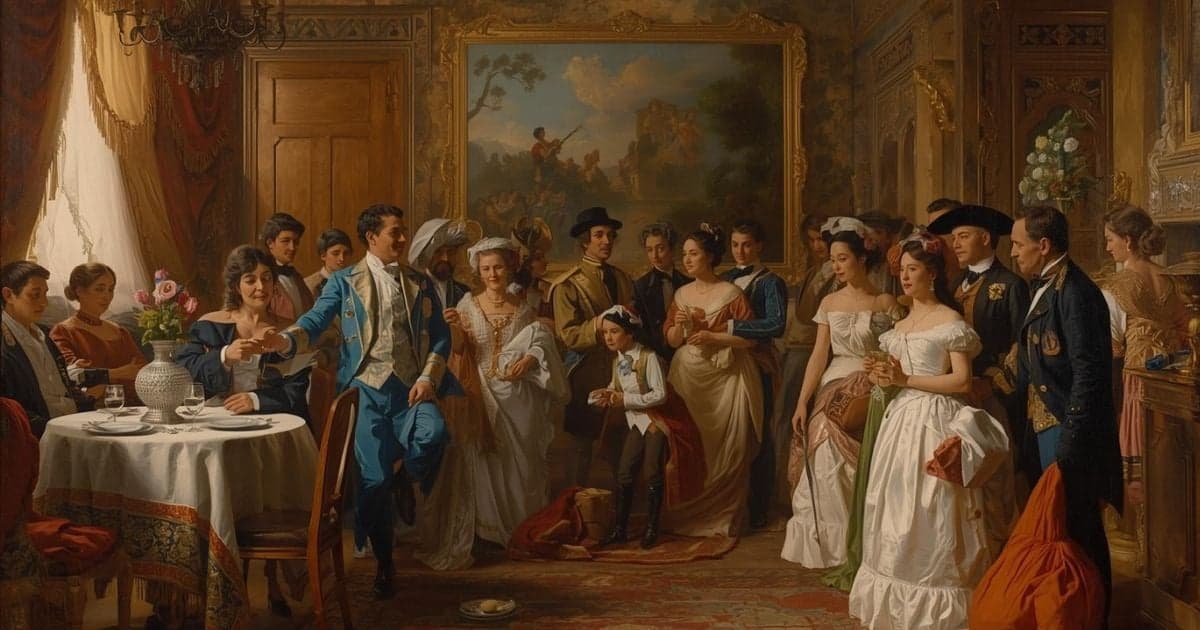
Nicholas becomes the romantic war hero at the party, playing a role for social approval
Development
Continues exploration of how people adapt their identity to social expectations
In Your Life:
You might find yourself performing a version of yourself that others want to see
Crisis Response
In This Chapter
During national emergency, ordinary self-interest often serves better than conscious heroism
Development
Deepens Tolstoy's examination of how people actually behave during historical events
In Your Life:
In family or workplace crises, focusing on your actual responsibilities might help more than grand gestures
Class Privilege
In This Chapter
Nicholas enjoys his status as dashing officer while others bear the war's real costs
Development
Ongoing theme of how class position shapes experience and responsibility
In Your Life:
Your advantages might blind you to others' struggles or your own real obligations
Self-Knowledge
In This Chapter
Nicholas's relief at avoiding battle represents honest self-assessment rather than cowardice
Development
Continues theme of characters discovering their true capacities and limitations
In Your Life:
Your honest assessment of what you can handle might be wisdom, not weakness
You now have the context. Time to form your own thoughts.
Discussion Questions
- 1
Why does Nicholas feel relieved to be sent away from the main army to buy horses, and what does this reveal about his character?
analysis • surface - 2
Tolstoy suggests that people trying hardest to be heroes often do more harm than good. What examples does he give, and why might this happen?
analysis • medium - 3
Think about your workplace or community. Who makes the most noise about helping, and who actually does the most work? What patterns do you notice?
application • medium - 4
When have you been assigned a task that seemed less important but turned out to be genuinely useful? How did you recognize its value?
application • deep - 5
What does this chapter suggest about the relationship between authentic contribution and visible performance? How might this change how you approach your own work?
reflection • deep
Critical Thinking Exercise
Map the Performers vs. the Contributors
Think of a situation in your life where there's a lot of talk about improvement or helping - maybe at work, in your family, or community. Make two columns: 'Loud Helpers' (people who talk most about the cause) and 'Quiet Workers' (people who actually do the daily tasks). Notice the patterns without judgment - just observe who does what.
Consider:
- •Look for people whose relief at avoiding spotlight tasks might signal they're positioned to do real work
- •Notice how the loudest voices about problems often create more meetings than solutions
- •Consider whether you're currently performing help or providing it - both have value, but serve different purposes
Journaling Prompt
Write about a time when you were assigned what seemed like an unglamorous task that turned out to be genuinely important. What did you learn about the difference between looking useful and being useful?
Coming Up Next...
Chapter 268: The Matchmaker's Gambit
Nicholas's romantic adventures in Voronezh are about to take an unexpected turn. His carefree flirtation with provincial society will soon collide with deeper emotions and more serious consequences than he anticipated.