Wide Reads
Literature MattersLife IndexEducators
Sign in
Where to Begin
War and Peace - The Weight of Command

Leo Tolstoy

War and Peace

The Weight of Command

Home›Books›War and Peace›Chapter 225
Previous
225 of 361
Next

Summary

At the Battle of Borodino, we see Kutúzov in his element as Russia's commander-in-chief. While others panic and demand orders, the old general understands something deeper: battles aren't won by micromanaging every detail, but by reading the spirit of your people. When the German officer Wolzogen arrives with dire reports of defeat and disorder, Kutúzov doesn't just disagree—he explodes with righteous anger. This isn't stubborn pride; it's strategic leadership. Kutúzov knows that what soldiers believe about their situation often matters more than the tactical reality. He's learned through decades of experience that you can't control everything in war, but you can influence the one thing that decides outcomes: morale. The chapter reveals Kutúzov's genius isn't in brilliant battle plans but in understanding human psychology. He sees past Wolzogen's technical assessment to recognize that his army still has fight left. When he announces plans to attack tomorrow, the news spreads through the ranks like wildfire—not because of perfect communication, but because it tells the soldiers what they need to hear to keep going. Tolstoy shows us that real leadership often means projecting confidence even when you're exhausted, making decisions with incomplete information, and understanding that sometimes what people believe matters more than what's technically true. Kutúzov embodies the kind of leader who succeeds not through flashy tactics but through deep wisdom about human nature.

Coming Up in Chapter 226

As night falls after the brutal day at Borodino, the true cost of battle becomes clear. Both armies must face what they've gained and lost in this pivotal confrontation.

Share it with friends

Previous ChapterNext Chapter
GO ADS FREE — JOIN US
Original text
complete·1,545 words
O

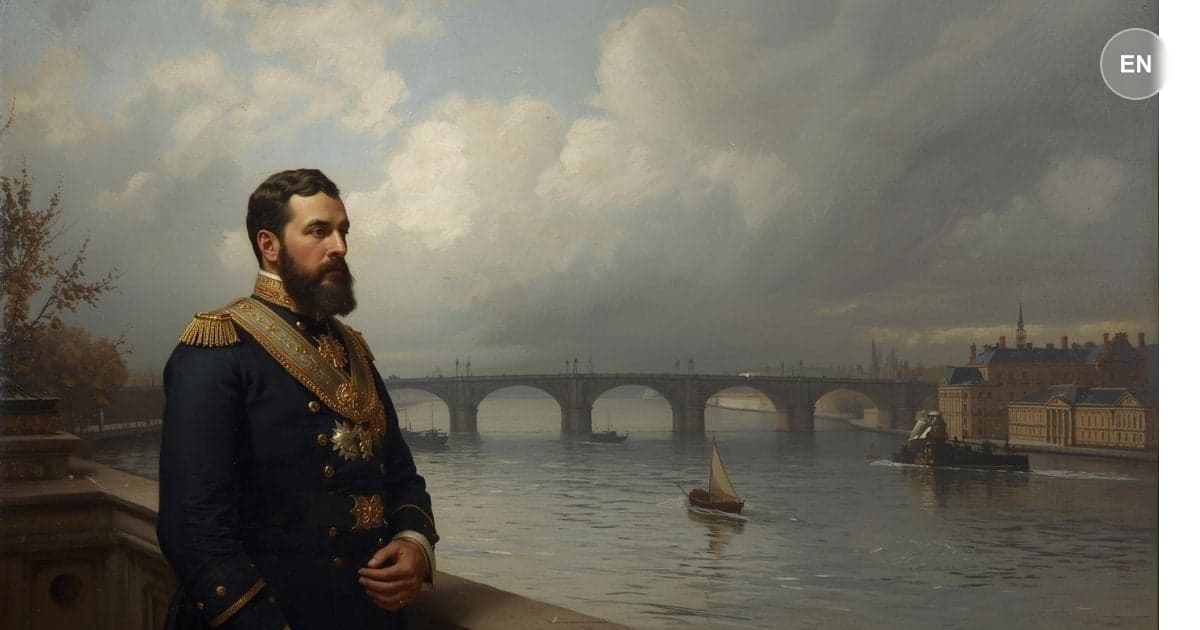
n the rug-covered bench where Pierre had seen him in the morning sat Kutúzov, his gray head hanging, his heavy body relaxed. He gave no orders, but only assented to or dissented from what others suggested.

1 / 10

Master this chapter. Complete your experience

Purchase the complete book to access all chapters and support classic literature

Read Free on GutenbergBuy at Powell'sBuy on Amazon

As an Amazon Associate, we earn a small commission from qualifying purchases at no additional cost to you.

Available in paperback, hardcover, and e-book formats

GO ADS FREE — JOIN US

Why This Matters

Connect literature to life

Skill: Reading Organizational Morale

This chapter teaches how to distinguish between surface-level problems and deeper questions of spirit and belief that actually determine outcomes.

Practice This Today

This week, notice when people around you are reporting problems versus when they're losing faith—the solutions are completely different.

GO ADS FREE — JOIN US

Now let's explore the literary elements.

Key Quotes & Analysis

"Yes, yes, do that... Yes, yes: go, dear boy, and have a look... No, don't, we'd better wait!"

— Kutúzov

Context: His typical responses to various proposals from his subordinates during the battle

This shows Kutúzov's leadership style - he's not micromanaging every detail but making quick judgments about what's worth pursuing. The repetitive 'yes, yes' suggests he's conserving his energy for the decisions that really matter.

In Today's Words:

Sure, go check that out... Actually, let's hold off on that for now.

"It is impossible for one man to direct hundreds of thousands of others struggling with death"

— Narrator

Context: Explaining Kutúzov's understanding of military command during the battle

This reveals the core wisdom that separates Kutúzov from other commanders - he knows the limits of control. You can't micromanage chaos, especially when people are fighting for their lives.

In Today's Words:

No single person can control every detail when thousands of people are in crisis mode.

"The result of a battle is decided not by the orders of a commander in chief, nor the place where the troops are stationed, nor by the number of cannon or of slaughtered men, but by that intangible force called the spirit of the army"

— Narrator

Context: Describing Kutúzov's philosophy of military leadership

This is Tolstoy's central insight about leadership and human nature - that morale and belief often matter more than resources or strategy. Kutúzov succeeds because he understands this psychological dimension.

In Today's Words:

Winning isn't about having the best plan or most resources - it's about whether your people still believe they can win.

Thematic Threads

Leadership

In This Chapter

Kutúzov leads through psychological insight rather than tactical brilliance, understanding that morale often decides battles

Development

Evolved from earlier portrayals of military commanders - here we see true strategic leadership

In Your Life:

You might recognize this when you realize your confidence at work affects your whole team's performance

Class

In This Chapter

The foreign officer Wolzogen represents technical expertise while Kutúzov embodies intuitive Russian wisdom

Development

Continues the theme of foreign vs. Russian approaches to warfare and leadership

In Your Life:

You might see this when outside experts don't understand your workplace culture like you do

Human Psychology

In This Chapter

Kutúzov grasps that soldiers' beliefs about their situation matter more than tactical assessments

Development

Builds on Tolstoy's exploration of how perception shapes reality in war and peace

In Your Life:

You might notice this when your attitude about a difficult situation influences how others respond to it

Communication

In This Chapter

News of the planned attack spreads through the army organically, lifting spirits without formal orders

Development

Shows how effective leadership communication works through inspiration rather than instruction

In Your Life:

You might experience this when your positive outlook at home helps your family face challenges together

Wisdom vs Knowledge

In This Chapter

Kutúzov's experience-based understanding trumps Wolzogen's technical military knowledge

Development

Reinforces Tolstoy's preference for practical wisdom over theoretical expertise

In Your Life:

You might see this when your years of experience give you insights that newer, more educated colleagues miss

GO ADS FREE — JOIN US

You now have the context. Time to form your own thoughts.

Discussion Questions

  1. 1

    Why does Kutúzov get angry at the German officer's report instead of just calmly disagreeing with his assessment?

    analysis • surface
  2. 2

    What does Kutúzov understand about his soldiers that the German officer doesn't see in his technical reports?

    analysis • medium
  3. 3

    Think of a time when someone's confidence (or lack of it) affected how you felt about a difficult situation. How did their emotional state influence the outcome?

    application • medium
  4. 4

    When you're in a position where others look to you for guidance—as a parent, team member, or friend—how do you balance being honest about problems while maintaining the confidence others need?

    application • deep
  5. 5

    What does Kutúzov's leadership style reveal about the difference between managing tasks and managing people's beliefs about what's possible?

    reflection • deep

Critical Thinking Exercise

10 minutes

Map Your Confidence Moments

Think of three situations where people looked to you for emotional cues—during a family crisis, work emergency, or friend's problem. Write down what you actually felt inside versus what you projected outwardly. Then identify one current situation where your confidence level is affecting others around you.

Consider:

  • •Consider times when your worry made others more anxious versus when your calm helped them cope
  • •Notice the difference between fake optimism and genuine confidence in your ability to handle whatever comes
  • •Think about how your emotional state right now might be influencing your family, coworkers, or friends

Journaling Prompt

Write about a time when you had to project confidence you didn't fully feel. What did you learn about the relationship between leadership and managing other people's beliefs about what's possible?

Coming Up Next...

Chapter 226: The Moment Before Everything Changes

As night falls after the brutal day at Borodino, the true cost of battle becomes clear. Both armies must face what they've gained and lost in this pivotal confrontation.

Continue to Chapter 226
Previous
When Victory Turns to Nightmare
Contents
Next
The Moment Before Everything Changes

Continue Exploring

War and Peace Study GuideTeaching ResourcesEssential Life IndexBrowse by ThemeAll Books
Power & CorruptionLove & RelationshipsIdentity & Self-Discovery

You Might Also Like

Anna Karenina cover

Anna Karenina

Leo Tolstoy

Also by Leo Tolstoy

The Idiot cover

The Idiot

Fyodor Dostoevsky

Explores love & romance

Moby-Dick cover

Moby-Dick

Herman Melville

Explores mortality & legacy

Dracula cover

Dracula

Bram Stoker

Explores love & romance

Browse all 47+ books

Share This Chapter

Know someone who'd enjoy this? Spread the wisdom!

TwitterFacebookLinkedInEmail

Read ad-free with Prestige

Get rid of ads, unlock study guides and downloads, and support free access for everyone.

Subscribe to PrestigeCreate free account
Intelligence Amplifier
Intelligence Amplifier™Powering Wide Reads

Exploring human-AI collaboration through books, essays, and philosophical dialogues. Classic literature transformed into navigational maps for modern life.

2025 Books

→ The Amplified Human Spirit→ The Alarming Rise of Stupidity Amplified→ San Francisco: The AI Capital of the World
Visit intelligenceamplifier.org
hello@widereads.com

WideReads Originals

→ You Are Not Lost→ The Last Chapter First→ The Lit of Love→ Wealth and Poverty→ 10 Paradoxes in the Classics · coming soon
Arvintech
arvintechAmplify your Mind
Visit at arvintech.com

Navigate

  • Home
  • Library
  • Essential Life Index
  • How It Works
  • Subscribe
  • Account
  • About
  • Contact
  • Authors
  • Suggest a Book
  • Landings

Made For You

  • Students
  • Educators
  • Families
  • Readers
  • Literary Analysis
  • Finding Purpose
  • Letting Go
  • Recovering from a Breakup
  • Corruption
  • Gaslighting in the Classics

Newsletter

Weekly insights from the classics. Amplify Your Mind.

Legal

  • Privacy Policy
  • Terms of Service
  • Cookie Policy
  • Accessibility

Why Public Domain?

We focus on public domain classics because these timeless works belong to everyone. No paywalls, no restrictions—just wisdom that has stood the test of centuries, freely accessible to all readers.

Public domain books have shaped humanity's understanding of love, justice, ambition, and the human condition. By amplifying these works, we help preserve and share literature that truly belongs to the world.

A Pilgrimage

Powell's City of Books

Portland, Oregon

If you ever find yourself in Portland, walk to the corner of Burnside and 10th. The building takes up an entire city block. Inside is over a million books, new and used on the same shelf, organized by color-coded rooms with names like the Rose Room and the Pearl Room. You can lose an afternoon. You can lose a weekend. You will find a book you have been looking for your whole life, and three you did not know existed.

It is a pilgrimage. We cannot find a bookstore like it anywhere on earth. If you read the classics, and you ever get the chance, go. It belongs on every reader's bucket list.

Visit powells.com

We are not in any way affiliated with Powell's. We are just a very big fan.

© 2026 Wide Reads™. All Rights Reserved.

Intelligence Amplifier™ and Wide Reads™ are proprietary trademarks of Arvin Lioanag.

Copyright Protection: All original content, analyses, discussion questions, pedagogical frameworks, and methodology are protected by U.S. and international copyright law. Unauthorized reproduction, distribution, web scraping, or use for AI training is strictly prohibited. See our Copyright Notice for details.

Disclaimer: The information provided on this website is for general informational and educational purposes only and does not constitute professional, legal, financial, or technical advice. While we strive to ensure accuracy and relevance, we make no warranties regarding completeness, reliability, or suitability. Any reliance on such information is at your own risk. We are not liable for any losses or damages arising from use of this site. By using this site, you agree to these terms.