Wide Reads
Literature MattersLife IndexEducators
Sign in
Where to Begin
War and Peace - When Perfect Plans Meet Reality

Leo Tolstoy

War and Peace

When Perfect Plans Meet Reality

Home›Books›War and Peace›Chapter 217
Previous
217 of 361
Next

Summary

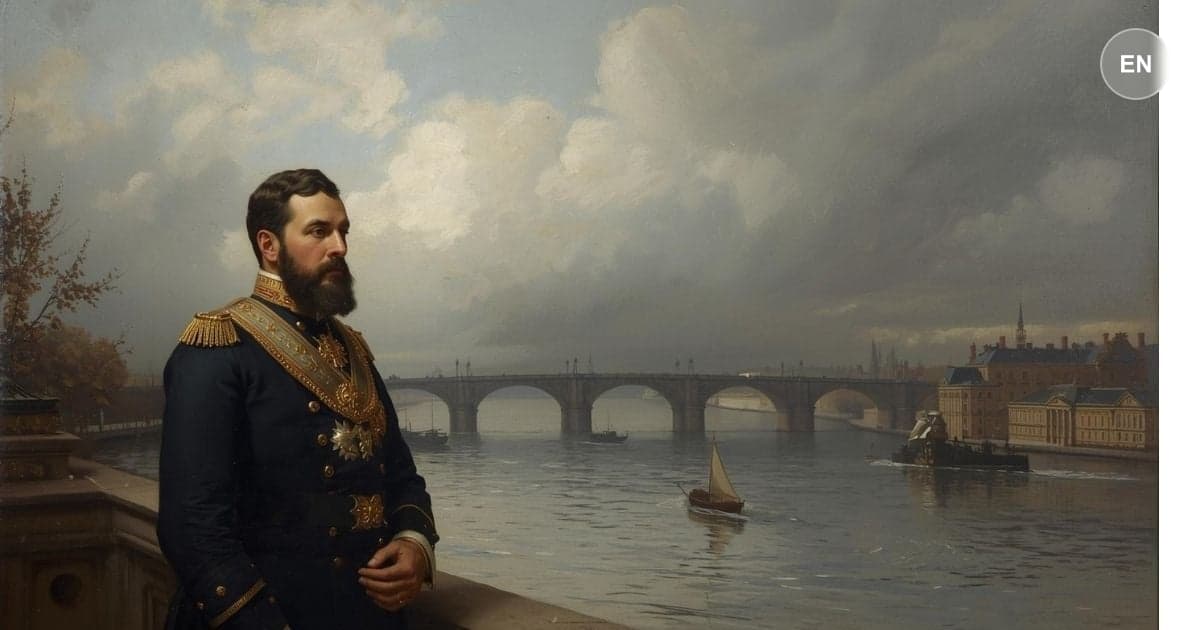
Napoleon spends an entire day crafting what seems like a masterful battle plan for the upcoming fight at Borodino. He rides around the battlefield looking important, nodding thoughtfully, and issuing commands that sound impressive on paper. His detailed orders specify exactly where batteries should be placed, which generals should attack where, and how the entire battle should unfold. The French historians later praise these dispositions as works of genius. But Tolstoy reveals the brutal truth: every single part of Napoleon's plan was fundamentally flawed and impossible to execute. The batteries couldn't reach their targets from where Napoleon placed them. The woods were impassable where he ordered troops to advance. The terrain didn't support the movements he commanded. Most damning of all, Napoleon positioned himself so far from the actual fighting that he couldn't see what was happening or adjust his orders when reality inevitably diverged from his plan. This chapter exposes the gap between Napoleon's legendary reputation and his actual performance as a military leader. Tolstoy shows how the emperor's distance from the ground truth, combined with everyone's reluctance to question his 'genius,' creates a perfect storm of failure. It's a masterclass in how leaders can become prisoners of their own mythology, making decisions based on how they think things should work rather than how they actually do work.

Coming Up in Chapter 218

The battle of Borodino is about to begin, and we'll see how Napoleon's flawed plans collide with the chaos of actual warfare. The real test isn't in the planning—it's in what happens when the shooting starts.

Share it with friends

Previous ChapterNext Chapter
GO ADS FREE — JOIN US
Original text
complete·1,251 words
O

n the twenty-fifth of August, so his historians tell us, Napoleon spent the whole day on horseback inspecting the locality, considering plans submitted to him by his marshals, and personally giving commands to his generals.

The original line of the Russian forces along the river Kolochá had been dislocated by the capture of the Shevárdino Redoubt on the twenty-fourth, and part of the line—the left flank—had been drawn back. That part of the line was not entrenched and in front of it the ground was more open and level than elsewhere. It was evident to anyone, military or not, that it was here the French should attack. It would seem that not much consideration was needed to reach this conclusion, nor any particular care or trouble on the part of the Emperor and his marshals, nor was there any need of that special and supreme quality called genius that people are so apt to ascribe to Napoleon; yet the historians who described the event later and the men who then surrounded Napoleon, and he himself, thought otherwise.

1 / 7

Master this chapter. Complete your experience

Purchase the complete book to access all chapters and support classic literature

Read Free on GutenbergBuy at Powell'sBuy on Amazon

As an Amazon Associate, we earn a small commission from qualifying purchases at no additional cost to you.

Available in paperback, hardcover, and e-book formats

GO ADS FREE — JOIN US

Why This Matters

Connect literature to life

Skill: Spotting Disconnected Leadership

This chapter teaches how to identify when leaders are making decisions based on theory rather than reality, and how that always ends in failure.

Practice This Today

This week, notice when someone in authority makes a rule or plan - ask yourself: when did they last do this job themselves, and does their plan account for how the work actually gets done?

GO ADS FREE — JOIN US

Now let's explore the literary elements.

Key Quotes & Analysis

"It was evident to anyone, military or not, that it was here the French should attack."

— Narrator

Context: Describing how obvious the Russian weak point was to everyone

Tolstoy is setting up the irony - if the strategy was so obvious, why does Napoleon get credit for genius? This reveals how we often praise leaders for stating the obvious while ignoring their real failures.

In Today's Words:

Even a kid could see this was the obvious move.

"Yet the historians who described the event later and the men who then surrounded Napoleon, and he himself, thought otherwise."

— Narrator

Context: After explaining how obvious Napoleon's strategy was

This exposes how reputation creates its own reality. People see genius where there's just common sense because they need to believe in the myth. It shows how history gets rewritten to protect powerful people's images.

In Today's Words:

But everyone pretended it was brilliant because that's what they needed to believe.

"Without communicating to the generals around him the profound course of ideas which guided his decisions merely gave them his final conclusions in the form of commands."

— Narrator

Context: Describing how Napoleon issued orders without explanation

This reveals the arrogance of power - Napoleon doesn't explain his reasoning because he believes his authority makes him right. It also shows how isolation from feedback creates bad decisions.

In Today's Words:

He just barked orders without explaining his thinking because he figured they should trust him.

Thematic Threads

Power

In This Chapter

Napoleon's elevated position physically and socially distances him from battlefield reality, making his power counterproductive

Development

Building on earlier themes of power corrupting judgment and creating blind spots

In Your Life:

You might see this when your boss makes decisions without understanding your actual job challenges

Pride

In This Chapter

Napoleon's legendary reputation prevents him from acknowledging he might not understand the terrain or conditions

Development

Continues the thread of pride blinding characters to their limitations and mistakes

In Your Life:

You might catch yourself sticking to a plan that isn't working just because you don't want to admit you were wrong

Class

In This Chapter

The social hierarchy prevents lower-ranking officers from questioning Napoleon's flawed orders, even when they see the problems

Development

Reinforces how class barriers prevent crucial information from flowing upward

In Your Life:

You might hesitate to speak up about problems you see because the person in charge seems too important to question

Reality

In This Chapter

There's a stark gap between Napoleon's paper plans and the actual physical terrain and military capabilities

Development

Continues exploring the tension between how things appear and how they actually are

In Your Life:

You might find yourself frustrated when carefully made plans fall apart because you didn't account for real-world complications

You now have the context. Time to form your own thoughts.

Discussion Questions

  1. 1

    What specific problems did Napoleon's battle plan have, and why couldn't it work in practice?

    analysis • surface
  2. 2

    Why didn't anyone tell Napoleon his plan was flawed? What does this reveal about power dynamics?

    analysis • medium
  3. 3

    Where have you seen leaders make detailed plans that fell apart because they were too removed from the actual work?

    application • medium
  4. 4

    How can you tell when someone in authority is making decisions based on theory rather than reality?

    application • deep
  5. 5

    What does Napoleon's distance from the battlefield teach us about the relationship between power and self-deception?

    reflection • deep

Critical Thinking Exercise

10 minutes

Map Your Own Ivory Tower

Think of an area where you make decisions for others - parenting, managing, teaching, or even planning family activities. List three assumptions you make about what the people affected actually need or want. Then identify when you last directly experienced what they're going through. This exercise reveals where your own 'distance from the battlefield' might be creating blind spots.

Consider:

  • •Consider how your position or role might filter the information you receive
  • •Think about whether people feel safe giving you honest feedback about your decisions
  • •Reflect on the difference between what you think works and what actually works for those affected

Journaling Prompt

Write about a time when you discovered your plan or assumption was completely wrong because you were too far removed from the situation. What did you learn about staying connected to ground-level reality?

Coming Up Next...

Chapter 218: The Myth of the Great Man

The battle of Borodino is about to begin, and we'll see how Napoleon's flawed plans collide with the chaos of actual warfare. The real test isn't in the planning—it's in what happens when the shooting starts.

Continue to Chapter 218
Previous
The Emperor's Morning Ritual
Contents
Next
The Myth of the Great Man

Continue Exploring

War and Peace Study GuideTeaching ResourcesEssential Life IndexBrowse by ThemeAll Books
Power & CorruptionLove & RelationshipsIdentity & Self-Discovery

You Might Also Like

Anna Karenina cover

Anna Karenina

Leo Tolstoy

Also by Leo Tolstoy

The Idiot cover

The Idiot

Fyodor Dostoevsky

Explores love & romance

Moby-Dick cover

Moby-Dick

Herman Melville

Explores mortality & legacy

Dracula cover

Dracula

Bram Stoker

Explores love & romance

Browse all 47+ books

Share This Chapter

Know someone who'd enjoy this? Spread the wisdom!

TwitterFacebookLinkedInEmail

Read ad-free with Prestige

Get rid of ads, unlock study guides and downloads, and support free access for everyone.

Subscribe to PrestigeCreate free account
Intelligence Amplifier
Intelligence Amplifier™Powering Wide Reads

Exploring human-AI collaboration through books, essays, and philosophical dialogues. Classic literature transformed into navigational maps for modern life.

2025 Books

→ The Amplified Human Spirit→ The Alarming Rise of Stupidity Amplified→ San Francisco: The AI Capital of the World
Visit intelligenceamplifier.org
hello@widereads.com

WideReads Originals

→ You Are Not Lost→ The Last Chapter First→ The Lit of Love→ Wealth and Poverty→ 10 Paradoxes in the Classics · coming soon
Arvintech
arvintechAmplify your Mind
Visit at arvintech.com

Navigate

  • Home
  • Library
  • Essential Life Index
  • How It Works
  • Subscribe
  • Account
  • About
  • Contact
  • Authors
  • Suggest a Book
  • Landings

Made For You

  • Students
  • Educators
  • Families
  • Readers
  • Literary Analysis
  • Finding Purpose
  • Letting Go
  • Recovering from a Breakup
  • Corruption
  • Gaslighting in the Classics

Newsletter

Weekly insights from the classics. Amplify Your Mind.

Legal

  • Privacy Policy
  • Terms of Service
  • Cookie Policy
  • Accessibility

Why Public Domain?

We focus on public domain classics because these timeless works belong to everyone. No paywalls, no restrictions—just wisdom that has stood the test of centuries, freely accessible to all readers.

Public domain books have shaped humanity's understanding of love, justice, ambition, and the human condition. By amplifying these works, we help preserve and share literature that truly belongs to the world.

A Pilgrimage

Powell's City of Books

Portland, Oregon

If you ever find yourself in Portland, walk to the corner of Burnside and 10th. The building takes up an entire city block. Inside is over a million books, new and used on the same shelf, organized by color-coded rooms with names like the Rose Room and the Pearl Room. You can lose an afternoon. You can lose a weekend. You will find a book you have been looking for your whole life, and three you did not know existed.

It is a pilgrimage. We cannot find a bookstore like it anywhere on earth. If you read the classics, and you ever get the chance, go. It belongs on every reader's bucket list.

Visit powells.com

We are not in any way affiliated with Powell's. We are just a very big fan.

© 2026 Wide Reads™. All Rights Reserved.

Intelligence Amplifier™ and Wide Reads™ are proprietary trademarks of Arvin Lioanag.

Copyright Protection: All original content, analyses, discussion questions, pedagogical frameworks, and methodology are protected by U.S. and international copyright law. Unauthorized reproduction, distribution, web scraping, or use for AI training is strictly prohibited. See our Copyright Notice for details.

Disclaimer: The information provided on this website is for general informational and educational purposes only and does not constitute professional, legal, financial, or technical advice. While we strive to ensure accuracy and relevance, we make no warranties regarding completeness, reliability, or suitability. Any reliance on such information is at your own risk. We are not liable for any losses or damages arising from use of this site. By using this site, you agree to these terms.