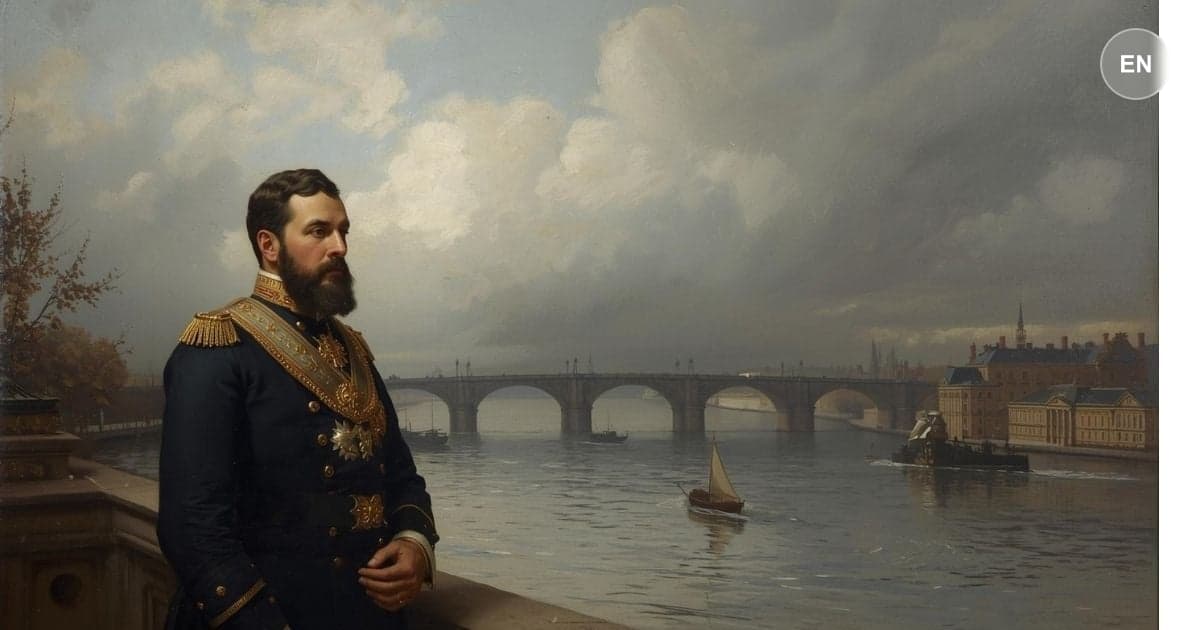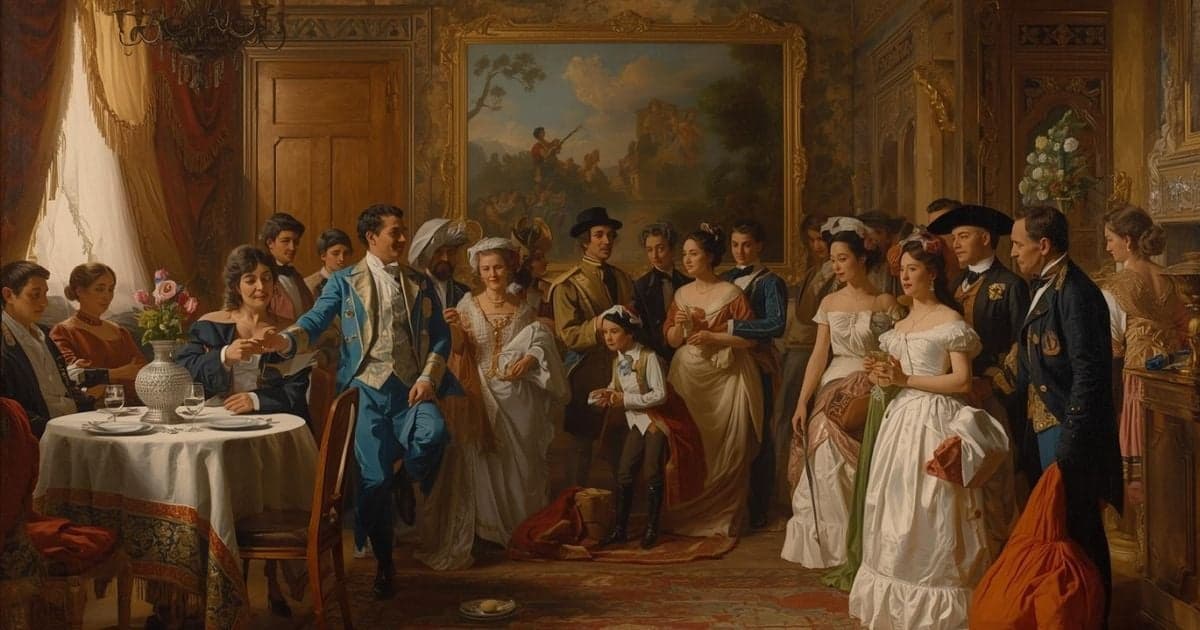
Master this chapter. Complete your experience
Purchase the complete book to access all chapters and support classic literature

As an Amazon Associate, we earn a small commission from qualifying purchases at no additional cost to you.
Available in paperback, hardcover, and e-book formats
Why This Matters
Connect literature to life
This chapter teaches how crisis situations and group pressure can bypass our rational decision-making, leading to commitments we can't sustain.
Practice This Today
This week, notice when someone creates urgency around a decision—'We need an answer today' or 'Everyone else has already committed'—and practice saying 'Let me sleep on it.'
Now let's explore the literary elements.
Key Quotes & Analysis
"Millions will pour forth from there, but our business is to supply men and not spare ourselves.... That is the least we can do!"
Context: Rallying the nobles to contribute soldiers while merchants contribute money
This reveals the class system at work - the wealthy contribute money while the poor contribute lives. Rostopchín frames sending other people's serfs to war as 'not sparing ourselves,' showing the disconnect between those who decide and those who suffer.
In Today's Words:
They'll handle the money, but we need to provide the manpower - it's the least we can do!
"I agree, or for variety, I too am of that opinion"
Context: Describing how the nobles mechanically agree to the military contribution
Tolstoy's ironic tone shows how these life-and-death decisions become routine bureaucracy. The phrase 'for variety' mocks how little real discussion happens when social pressure makes disagreement impossible.
In Today's Words:
Everyone just nodded along with slight variations of 'yeah, sure, whatever'
"The Emperor! The Emperor!"
Context: When the Emperor arrives at the assembly
This simple cry captures the electric excitement and reverence that transforms the entire gathering. The repetition shows how his presence creates an almost religious fervor that will drive all the emotional decisions that follow.
In Today's Words:
It's him! It's really him!
Thematic Threads
Social Pressure
In This Chapter
Nobles feel compelled to match each other's patriotic gestures, with Pierre and Rostóv making costly commitments they haven't fully considered
Development
Building from earlier chapters showing how social expectations drive behavior in aristocratic circles
In Your Life:
You might recognize this when you agree to volunteer for something at work just because everyone else is doing it
Class
In This Chapter
Different social classes respond to the Emperor's call—nobles pledge soldiers and money, merchants offer their lives and fortunes, each group performing their expected role
Development
Continues exploring how class determines both opportunities and obligations in Russian society
In Your Life:
You see this when different income levels at your workplace are expected to contribute differently to office collections or events
Identity
In This Chapter
Characters define themselves through their patriotic responses—Pierre becomes the generous benefactor, Rostóv the devoted father willing to sacrifice his son
Development
Extends the theme of how people construct identity through their actions and public commitments
In Your Life:
This appears when you find yourself taking on roles or commitments because they fit how you want to be seen by others
Reality vs. Emotion
In This Chapter
The gap between the nobles' emotional promises during the Emperor's visit and their practical concerns the next day reveals the disconnect between feeling and reality
Development
Introduced here as a new examination of how crisis situations distort judgment
In Your Life:
You experience this when you make promises during emotional conversations that feel impossible to keep in the cold light of day
You now have the context. Time to form your own thoughts.
Discussion Questions
- 1
What specific promises did Pierre and Count Rostóv make during the Emperor's visit, and how did their feelings change the next day?
analysis • surface - 2
Why did the nobles make such grand commitments in the moment but feel differently once the Emperor left Moscow?
analysis • medium - 3
Where have you seen this pattern of emotional decision-making in your own life or workplace - people making big promises during intense moments that they later struggle to keep?
application • medium - 4
What strategies could Pierre have used to make a more thoughtful decision about funding soldiers, even while caught up in the patriotic moment?
application • deep - 5
What does this chapter reveal about how group pressure and authority figures can override our individual judgment, even when we think we're acting from genuine conviction?
reflection • deep
Critical Thinking Exercise
Create Your Emotional Decision Checkpoint
Think of a situation where you might face pressure to make a quick commitment - at work, in your family, or in your community. Design a personal system for pausing before you commit. What questions would you ask yourself? What would you say to buy time without looking uncooperative?
Consider:
- •Consider both the immediate pressure you'll feel and the long-term consequences of overcommitting
- •Think about how to honor genuine emergencies while protecting yourself from emotional manipulation
- •Remember that saying 'let me think about it' is often more responsible than saying yes in the moment
Journaling Prompt
Write about a time when you made a commitment during an emotional high that you later regretted. What warning signs could you have noticed? How would you handle the same situation today?
Coming Up Next...
Chapter 191: The Invisible Hand of History
As Book Ten begins, we shift focus to the broader scope of 1812 - the year that will test every promise made in that emotional Moscow assembly. The real war is about to begin.