Wide Reads
Literature MattersLife IndexEducators
Sign in
Where to Begin
War and Peace - When Leaders Meet: Power and Doubt

Leo Tolstoy

War and Peace

When Leaders Meet: Power and Doubt

Home›Books›War and Peace›Chapter 105
Previous
105 of 361
Next

Summary

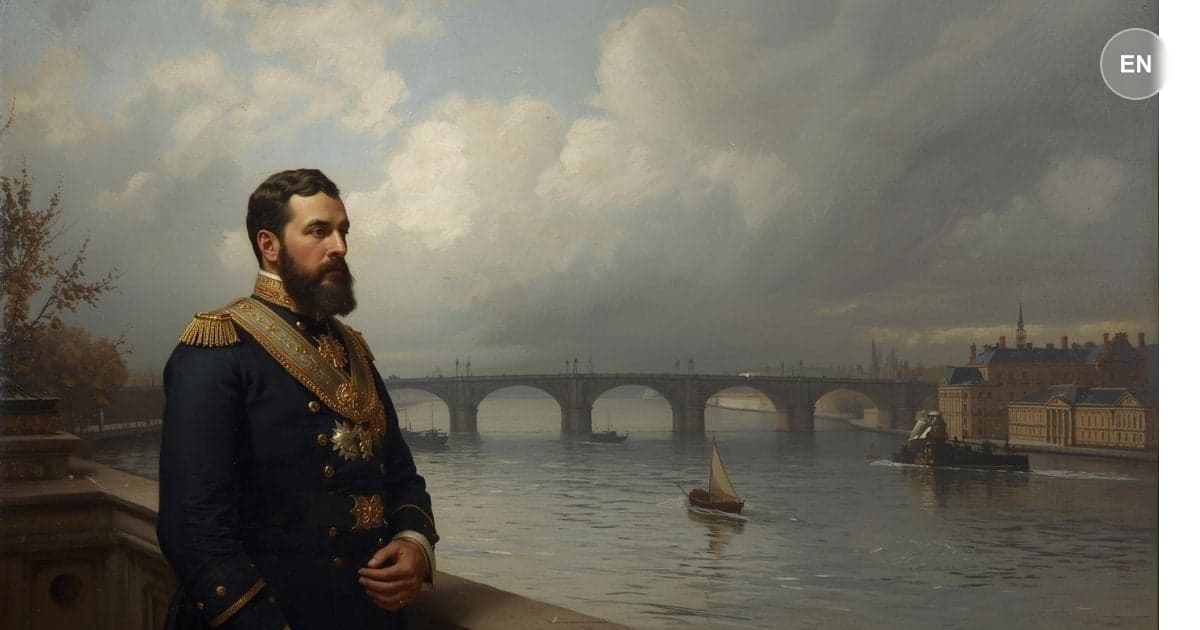
Rostóv witnesses a historic meeting between Emperor Alexander and Napoleon, watching as the two most powerful men in Europe exchange pleasantries and honors like old friends. Napoleon awards a medal to a Russian soldier named Lázarev in a carefully choreographed ceremony, while French and Russian officers celebrate together afterward. But Rostóv finds himself deeply disturbed by what he sees. The casual friendliness between the emperors—men whose armies have been killing each other—doesn't match his understanding of honor and loyalty. As he watches the pageantry, his mind keeps returning to the wounded soldiers he's seen, the hospital wards full of amputated limbs, and friends like Denísov who've been punished for doing what they thought was right. The contrast between the glittering ceremony and the brutal reality of war creates a crisis of faith. When fellow officers criticize the peace treaty, Rostóv explodes in an emotional outburst, defending the Emperor's right to make alliances even with former enemies. His reaction reveals his desperate need to believe that authority figures know what they're doing, because questioning them would mean questioning everything he's built his identity around. This chapter captures the moment when someone realizes that the world is more complicated and morally ambiguous than they were taught to believe—a painful but necessary step toward maturity.

Coming Up in Chapter 106

The story moves forward to 1808 and another imperial meeting at Erfurt, where the grand theater of diplomacy continues to play out while ordinary people grapple with its consequences.

Share it with friends

Previous ChapterNext Chapter
GO ADS FREE — JOIN US
Original text
complete·1,720 words
T

he Emperor rode to the square where, facing one another, a battalion of the Preobrazhénsk regiment stood on the right and a battalion of the French Guards in their bearskin caps on the left.

As the Tsar rode up to one flank of the battalions, which presented arms, another group of horsemen galloped up to the opposite flank, and at the head of them Rostóv recognized Napoleon. It could be no one else. He came at a gallop, wearing a small hat, a blue uniform open over a white vest, and the St. Andrew ribbon over his shoulder. He was riding a very fine thoroughbred gray Arab horse with a crimson gold-embroidered saddlecloth. On approaching Alexander he raised his hat, and as he did so, Rostóv, with his cavalryman’s eye, could not help noticing that Napoleon did not sit well or firmly in the saddle. The battalions shouted “Hurrah!” and “Vive l’Empereur!” Napoleon said something to Alexander, and both Emperors dismounted and took each other’s hands. Napoleon’s face wore an unpleasant and artificial smile. Alexander was saying something affable to him.

1 / 11

Master this chapter. Complete your experience

Purchase the complete book to access all chapters and support classic literature

Read Free on GutenbergBuy at Powell'sBuy on Amazon

As an Amazon Associate, we earn a small commission from qualifying purchases at no additional cost to you.

Available in paperback, hardcover, and e-book formats

GO ADS FREE — JOIN US

Why This Matters

Connect literature to life

Skill: Recognizing Cognitive Dissonance

This chapter teaches how to identify when your emotional reactions are protecting beliefs rather than seeking truth.

Practice This Today

This week, notice when you get angry at someone for pointing out problems you secretly already see—that's your mind protecting a belief that reality is threatening.

GO ADS FREE — JOIN US

Now let's explore the literary elements.

Key Quotes & Analysis

"It struck him as a surprise that Alexander treated Bonaparte as an equal and that the latter was quite at ease with the Tsar, as if such relations with an Emperor were an everyday matter to him."

— Narrator

Context: Rostóv observing the casual interaction between the two emperors

This moment captures Rostóv's shock at seeing political realities up close. He expected drama and tension between mortal enemies, but instead sees practiced diplomacy. It's his first glimpse into how power really works at the highest levels.

In Today's Words:

He couldn't believe how normal they acted together, like they hadn't been trying to destroy each other just months ago.

"Napoleon did not sit well or firmly in the saddle."

— Narrator

Context: Rostóv's cavalryman eye noticing Napoleon's poor horsemanship

This small detail humanizes the legendary Napoleon and shows how myths don't always match reality. It also demonstrates how professional expertise lets you see through public images to underlying truth.

In Today's Words:

Even the great Napoleon wasn't perfect at everything - he looked awkward on a horse.

"But what do we, what does Denísov, get for it? Disgrace! And this is called justice!"

— Rostóv

Context: His emotional outburst about the unfairness of military justice

Rostóv's anger reveals his struggle with a system that punishes good soldiers like Denísov while rewarding political maneuvering. He's discovering that fairness and institutional justice don't always align.

In Today's Words:

We do the right thing and get punished for it - how is that fair?

Thematic Threads

Authority

In This Chapter

Rostóv desperately defends the Emperor's decision to make peace with Napoleon, despite witnessing the moral contradictions firsthand

Development

Evolved from earlier blind faith in military hierarchy to this crisis moment where authority's fallibility becomes undeniable

In Your Life:

You might recognize this when you find yourself defending a boss, doctor, or leader even when you've seen them make questionable decisions

Identity

In This Chapter

Rostóv's entire sense of self is built on being a loyal soldier who serves noble causes, making this moral ambiguity an identity crisis

Development

Developed from his romantic notions of military glory to this harsh confrontation with war's political realities

In Your Life:

This appears when your job title, role as parent, or other core identity gets challenged by circumstances beyond your control

Disillusionment

In This Chapter

The pageantry of the peace ceremony contrasts sharply with Rostóv's memories of wounded soldiers and punished friends

Development

Built gradually through his exposure to war's brutalities, now crystallizing into a fundamental questioning of everything he believed

In Your Life:

You experience this when institutions you trusted - healthcare, education, religion - reveal themselves to be more flawed than you realized

Class

In This Chapter

The emperors and officers celebrate while common soldiers bear the physical and emotional costs of their political decisions

Development

Consistent theme showing how those with power make decisions that others must live with

In Your Life:

This plays out when executives make layoff decisions from boardrooms while workers lose their livelihoods and benefits

GO ADS FREE — JOIN US

You now have the context. Time to form your own thoughts.

Discussion Questions

  1. 1

    What specifically disturbs Rostóv about watching Napoleon and Alexander interact as friends?

    analysis • surface
  2. 2

    Why does Rostóv explode at his fellow officers when they criticize the peace treaty, even though he shares their doubts?

    analysis • medium
  3. 3

    When have you seen someone defend a leader or system they privately have doubts about? What was really at stake for them?

    application • medium
  4. 4

    How do you handle moments when what you're seeing contradicts what you've been taught to believe?

    application • deep
  5. 5

    What does Rostóv's crisis reveal about the difference between loyalty and blind faith?

    reflection • deep

Critical Thinking Exercise

10 minutes

Map Your Cognitive Dissonance

Think of a situation where you've defended something or someone despite having private doubts. Draw three columns: 'What I Saw,' 'What I Wanted to Believe,' and 'What I Was Really Protecting.' Fill in each column honestly. This isn't about judging yourself - it's about understanding how your mind works under pressure.

Consider:

  • •Consider what you had invested in the original belief (time, money, identity, relationships)
  • •Notice whether your defensive reaction was proportional to the actual criticism
  • •Think about what it would have cost you to admit the doubts were valid

Journaling Prompt

Write about a time when you changed your mind about something important despite it being uncomfortable. What helped you push through the discomfort? How did it feel afterward?

Coming Up Next...

Chapter 106: Real Life Goes On

The story moves forward to 1808 and another imperial meeting at Erfurt, where the grand theater of diplomacy continues to play out while ordinary people grapple with its consequences.

Continue to Chapter 106
Previous
When Power Says No
Contents
Next
Real Life Goes On

Continue Exploring

War and Peace Study GuideTeaching ResourcesEssential Life IndexBrowse by ThemeAll Books
Power & CorruptionLove & RelationshipsIdentity & Self-Discovery

You Might Also Like

Anna Karenina cover

Anna Karenina

Leo Tolstoy

Also by Leo Tolstoy

The Idiot cover

The Idiot

Fyodor Dostoevsky

Explores love & romance

Moby-Dick cover

Moby-Dick

Herman Melville

Explores mortality & legacy

Dracula cover

Dracula

Bram Stoker

Explores love & romance

Browse all 47+ books

Share This Chapter

Know someone who'd enjoy this? Spread the wisdom!

TwitterFacebookLinkedInEmail

Read ad-free with Prestige

Get rid of ads, unlock study guides and downloads, and support free access for everyone.

Subscribe to PrestigeCreate free account
Intelligence Amplifier
Intelligence Amplifier™Powering Wide Reads

Exploring human-AI collaboration through books, essays, and philosophical dialogues. Classic literature transformed into navigational maps for modern life.

2025 Books

→ The Amplified Human Spirit→ The Alarming Rise of Stupidity Amplified→ San Francisco: The AI Capital of the World
Visit intelligenceamplifier.org
hello@widereads.com

WideReads Originals

→ You Are Not Lost→ The Last Chapter First→ The Lit of Love→ Wealth and Poverty→ 10 Paradoxes in the Classics · coming soon
Arvintech
arvintechAmplify your Mind
Visit at arvintech.com

Navigate

  • Home
  • Library
  • Essential Life Index
  • How It Works
  • Subscribe
  • Account
  • About
  • Contact
  • Authors
  • Suggest a Book
  • Landings

Made For You

  • Students
  • Educators
  • Families
  • Readers
  • Literary Analysis
  • Finding Purpose
  • Letting Go
  • Recovering from a Breakup
  • Corruption
  • Gaslighting in the Classics

Newsletter

Weekly insights from the classics. Amplify Your Mind.

Legal

  • Privacy Policy
  • Terms of Service
  • Cookie Policy
  • Accessibility

Why Public Domain?

We focus on public domain classics because these timeless works belong to everyone. No paywalls, no restrictions—just wisdom that has stood the test of centuries, freely accessible to all readers.

Public domain books have shaped humanity's understanding of love, justice, ambition, and the human condition. By amplifying these works, we help preserve and share literature that truly belongs to the world.

A Pilgrimage

Powell's City of Books

Portland, Oregon

If you ever find yourself in Portland, walk to the corner of Burnside and 10th. The building takes up an entire city block. Inside is over a million books, new and used on the same shelf, organized by color-coded rooms with names like the Rose Room and the Pearl Room. You can lose an afternoon. You can lose a weekend. You will find a book you have been looking for your whole life, and three you did not know existed.

It is a pilgrimage. We cannot find a bookstore like it anywhere on earth. If you read the classics, and you ever get the chance, go. It belongs on every reader's bucket list.

Visit powells.com

We are not in any way affiliated with Powell's. We are just a very big fan.

© 2026 Wide Reads™. All Rights Reserved.

Intelligence Amplifier™ and Wide Reads™ are proprietary trademarks of Arvin Lioanag.

Copyright Protection: All original content, analyses, discussion questions, pedagogical frameworks, and methodology are protected by U.S. and international copyright law. Unauthorized reproduction, distribution, web scraping, or use for AI training is strictly prohibited. See our Copyright Notice for details.

Disclaimer: The information provided on this website is for general informational and educational purposes only and does not constitute professional, legal, financial, or technical advice. While we strive to ensure accuracy and relevance, we make no warranties regarding completeness, reliability, or suitability. Any reliance on such information is at your own risk. We are not liable for any losses or damages arising from use of this site. By using this site, you agree to these terms.