Master this chapter. Complete your experience
Purchase the complete book to access all chapters and support classic literature

As an Amazon Associate, we earn a small commission from qualifying purchases at no additional cost to you.
Available in paperback, hardcover, and e-book formats
Why This Matters
Connect literature to life
This chapter teaches how to recognize the difference between moral authority and institutional authority, and why good causes still need proper channels.
Practice This Today
Next time you feel outraged about unfairness at work or in your community, pause to map who actually has decision-making power and what the proper process is before acting on your anger.
Now let's explore the literary elements.
Key Quotes & Analysis
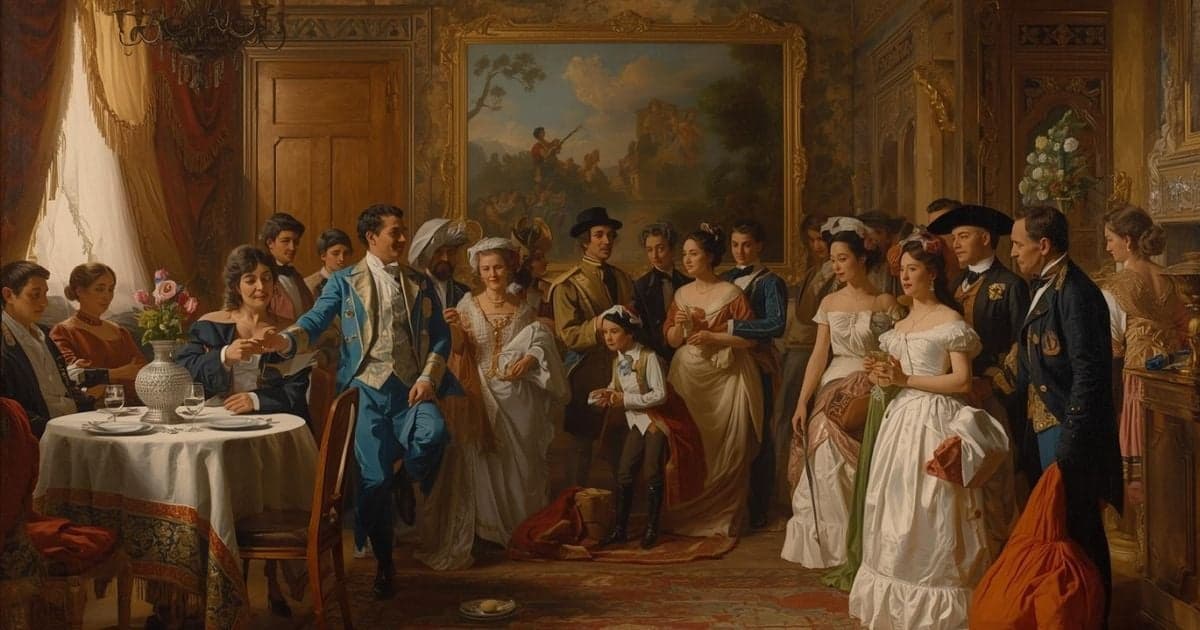
"I cannot do it, General. I cannot, because the law is stronger than I."
Context: When the general presents Denísov's case to the Emperor at the formal dinner
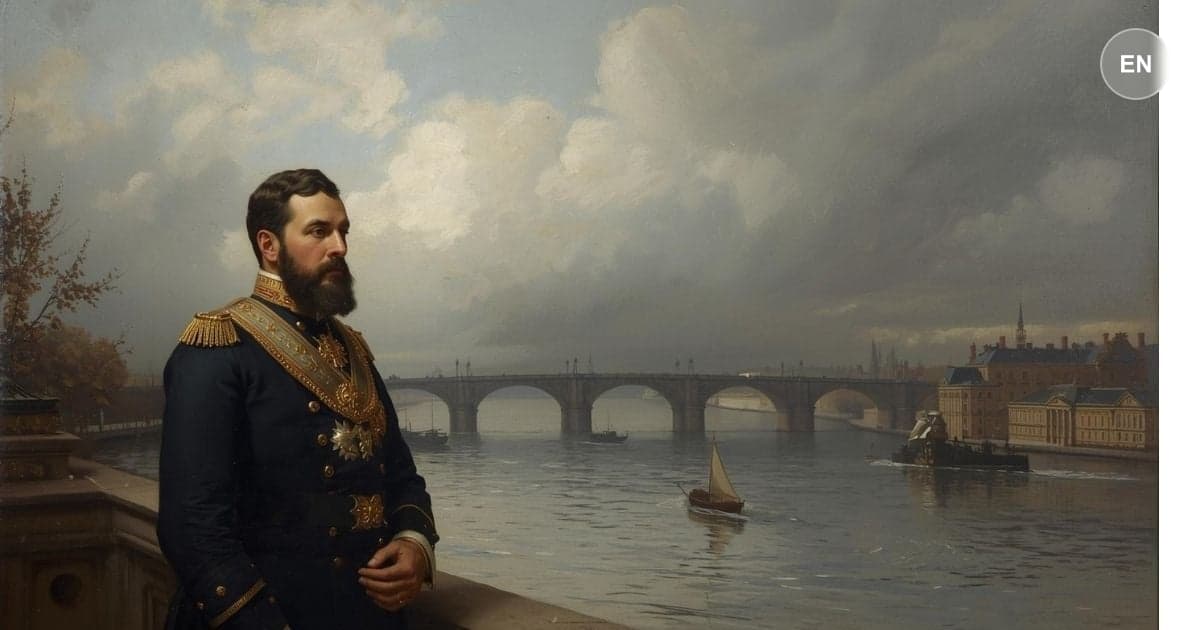
This moment shatters Rostóv's naive belief that good rulers can simply override injustice with personal judgment. Even emperors must work within legal frameworks, showing the limits of individual power against institutional systems.
In Today's Words:
I'd love to help, but my hands are tied by the rules - I can't just make exceptions, even when I want to.
"He understands everything, knows everything, what can one do if not tell him?"
Context: When he's trying to convince himself that approaching the Emperor directly will work
This shows Rostóv's dangerous idealism - he believes that good leaders automatically fix problems once they know about them. It's the fantasy that there's always someone higher up who will make everything right.
In Today's Words:
If I could just explain the situation to someone who actually gets it, they'd obviously fix this mess.
"That's settled! I'll give the letter to the Emperor myself."
Context: When he decides to bypass all official channels and approach the Emperor directly
This impulsive decision shows how frustration with bureaucracy can lead to poor judgment. Rostóv's determination blinds him to why proper procedures exist in the first place.
In Today's Words:
Forget all this red tape - I'm going straight to the top!
Thematic Threads
Class
In This Chapter
Rostóv's civilian clothes mark him as out of place in military/diplomatic circles, making his petition seem inappropriate
Development
Continuing theme of how class markers determine access and treatment
In Your Life:
Your appearance and credentials affect how seriously people take your requests, regardless of merit
Idealism
In This Chapter
Rostóv believes direct appeal to the Emperor will solve everything through pure justice
Development
His romantic notions about power and fairness clash with institutional reality
In Your Life:
You might expect bosses or authorities to care as much about fairness as you do
Timing
In This Chapter
Arriving during peace negotiations makes personal petitions seem trivial and inappropriate
Development
Introduced here as crucial factor in success or failure
In Your Life:
Bringing up personal issues during company crises or family emergencies rarely works well
Protocol
In This Chapter
Rostóv's ignorance of proper channels leads to humiliation and dismissal
Development
Shows how social systems protect themselves through established procedures
In Your Life:
Not knowing the right way to make requests can kill your chances before you start
Limits of Power
In This Chapter
Even the Emperor admits 'the law is stronger than I' when faced with individual appeals
Development
Reveals that absolute power is constrained by systems and precedent
In Your Life:
Even people in authority often can't help you the way you think they can
You now have the context. Time to form your own thoughts.
Discussion Questions
- 1
Why does Rostóv's attempt to help Denísov backfire so badly?
analysis • surface - 2
What does the Emperor mean when he says 'the law is stronger than I'? How does this challenge Rostóv's expectations?
analysis • medium - 3
Think about a time when you or someone you know tried to bypass normal procedures for a good cause. What happened and why?
application • medium - 4
How might Rostóv have achieved better results for Denísov? What would you have done differently?
application • deep - 5
Why do we sometimes believe that having a righteous cause gives us permission to ignore established processes? What does this reveal about human nature?
reflection • deep
Critical Thinking Exercise
Map the Power Structure
Think of a situation in your life where you need something changed - at work, school, in your community, or with a service provider. Draw or write out the actual chain of command and decision-making process. Who really has the power to make changes? What are the official procedures? What relationships and timing matter most?
Consider:
- •Consider both formal authority (job titles, official roles) and informal influence (who actually gets listened to)
- •Think about timing - when are decision-makers most and least receptive to requests
- •Identify allies who already understand the system and could guide your approach
Journaling Prompt
Write about a time when you felt frustrated by 'the system' or bureaucracy. Looking back, what did you misunderstand about how power actually worked in that situation? How might you approach a similar challenge differently now?
Coming Up Next...
Chapter 105: When Leaders Meet: Power and Doubt
With his mission failed and Denísov's fate seemingly sealed, Rostóv must face the consequences of his impulsive attempt to bypass the system. The Emperor's words about law being stronger than personal will echo as the story shifts focus to other characters navigating their own struggles with authority and justice.