
Family Dynamics in Classic Literature
Families in classic fiction are rarely neutral background. They are economies of loyalty, inheritance, silence, and old grievances that travel down generations.
From duty-bound sons to daughters carving space of their own, these books show how family roles form identity long before adulthood. They are maps for anyone navigating obligation, favouritism, reconciliation, or the choice to break pattern.
Books Exploring Family Dynamics
You can leave a household and still carry its rules in your body. These novels make those invisible contracts visible: who speaks, who sacrifices, who is believed. That clarity helps whether you are raising children, caring for parents, or setting boundaries with siblings.
Alice Adams
Booth Tarkington • 1921
Anna Karenina
Leo Tolstoy • 1877
A Russian aristocrat abandons her marriage for a forbidden passion and pays a price that reveals how society punishes women for what it forgives in men.
As I Lay Dying
William Faulkner • 1930
Fathers and Sons
Ivan Turgenev • 1862
Hamlet
William Shakespeare • 1601
King Lear
William Shakespeare • 1608
King Lear by Shakespeare: free 24-scene guide to flattery, a failed succession, and the heath. Summaries, quotes, and audio.
Little Women
Louisa May Alcott • 1868
Sense and Sensibility
Jane Austen • 1811
Sense and Sensibility by Jane Austen: free 50-chapter guide to heartbreak, reason vs feeling, and economic survival. Summaries, quotes, and audio.
The Brothers Karamazov
Fyodor Dostoevsky • 1880
The Brothers Karamazov is Dostoevsky's 96-chapter novel of three sons and a murdered father: faith, doubt, and who is guilty of the wish.
The Catcher in the Rye
J.D. Salinger • 1951
The Catcher in the Rye by J.D. Salinger: free 26-chapter guide to alienation, grief, phoniness, and growing up. Summaries, quotes, and audio.
The Grapes of Wrath
John Steinbeck • 1939
The Grapes of Wrath by John Steinbeck: free 30-chapter guide to migration, dignity, labour, and family under economic collapse. Summaries, quotes, and audio.
The Mill on the Floss
George Eliot • 1860
The Odyssey
Homer • -700
Ulysses
James Joyce • 1922
Life-skill deep dives
What classic books teach about family dynamics — chapter-by-chapter analysis.

Hamlet
A Ghost She Cannot SeeGertrude cannot see the ghost in her own closet. Shakespeare locates truth in who shares a room, not in one more test.Hamlet
A Patch of GroundFortinbras fights for a straw while Hamlet watches. Shakespeare makes delay look like intelligence until someone else can still march.
King Lear
According to My BondBurgundy recalculates when the dowry falls. Cordelia's bond looks like a snub. Shakespeare prices a toast against a person who will not bid.
The Mill on the Floss
An Odor Round HerThe bazaar already had a word for her face. Dr Kenn could not change the shape of bonnets. An odor did the rest.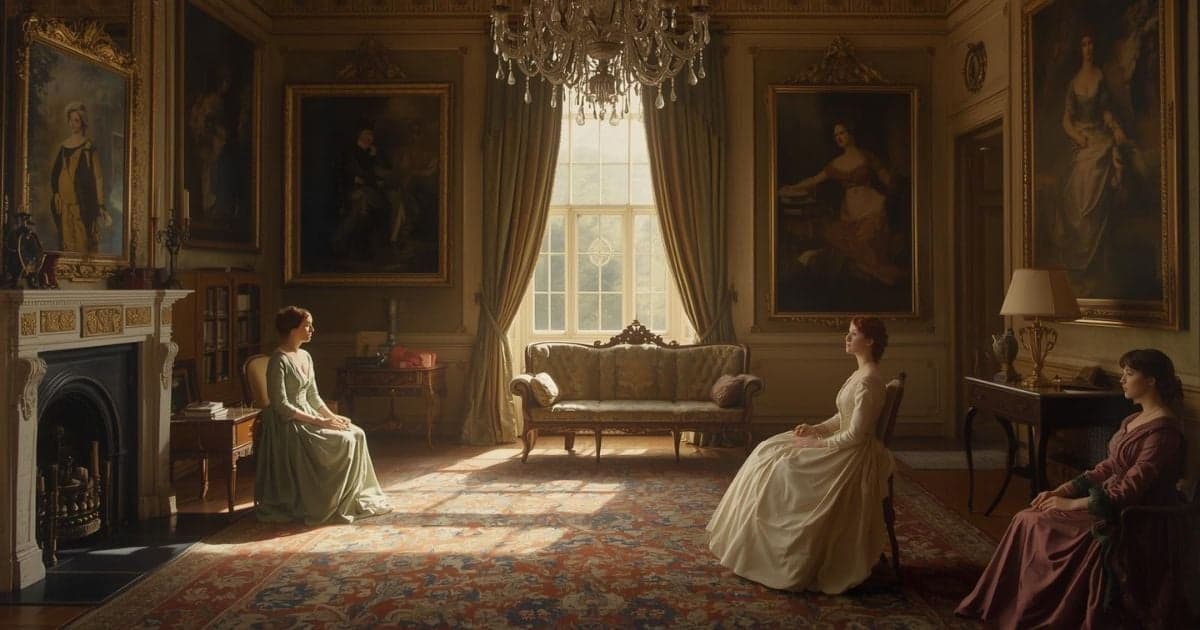
Sense and Sensibility
Balancing Emotion and ReasonEach Defense Has a CostElinor treats composure as loyalty. Marianne treats volume as truth. Eight chapters from Norland to Cleveland show what each defense costs.
Anna Karenina
Balancing Passion and ResponsibilitySeryozha's birthday, Karenin's public face, a divorce that never arrives. Desire spends people who did not choose it.The Mill on the Floss
Behind the TubFive dark minutes behind the tub. Pride loses. The adult novel is still that attic, asking to be loved again.
The Brothers Karamazov
Bread Instead of FreedomThe Inquisitor's offer is mercy with a lock on it: bread, miracle, and someone else to choose. Freedom is the gift people keep trying to give back.
Wuthering Heights
Breaking Cycles of Intergenerational TraumaYoung Cathy and Hareton refuse to perpetuate inherited hatred—how Wuthering Heights shows the courage required to break destructive family patterns.
The Grapes of Wrath
Building Solidarity When Power Divides YouWeedpatch elects a committee. A strike shares a risk. Power answers by calling both a riot.The Grapes of Wrath
Caring for the Vulnerable When Resources Run OutA stillborn birth, a flood, and a barn. Rose of Sharon gives the care the harvest refused to pay for.
Little Women
Castles in the AirThey name fame, Rome, and a house from a hill. Alcott measures each castle by years of work that never look like the sketch.
The Odyssey
Choosing Mortality Over ParadiseSmoke of His ChimneysCalypso offers immortality. Odysseus builds a raft for Ithaca instead. Why he chooses a mortal life over paradise in The Odyssey.
Alice Adams
Choosing Work Over the FantasyAlice puts on a plain dark suit and climbs Frincke's stairs. The fantasy is over. Work is what is left.Alice Adams
Class Anxiety in Small-Town LifeA walking stick, a guest list, and who nods on the street grade Alice before she speaks.
Ulysses
Compassion Toward Ordinary PeopleBloom feeds the cat, the gulls, and Stephen after Nighttown: eight episodes on noticing lives the city ranks as small.The Odyssey
Cunning Over ForceNomanNobody fools the Cyclops. The beggar inventories the hall. Odysseus wins with brains over brute strength in Homer's Odyssey.Wuthering Heights
Dealing with Unresolved GriefHeathcliff howls among the trees, opens the coffin, and walks the night for eighteen years. What ungrieved loss does to a house in Wuthering Heights.
Washington Square
Distinguishing Love from AppetiteThe dinner test, the delayed wedding, the vanished ring: seven chapters on appetite in love's clothes.
As I Lay Dying
Family Loyalty Without a LeaderEveryone Acts, Nobody Stops the WagonCash saws, Jewel rides, Dewey Dell schemes, and Vardaman drills while no one can say stop. See loyalty without leadership in a crisis caravan.Alice Adams
Family Shapes and Traps AmbitionMrs. Adams uses a sickbed to push Virgil out of Lamb and Company, then spends the house on a dinner.Anna Karenina
Finding Authentic MeaningLevin mows, marries, sits through a birth, and stands after a storm still asking what his life is for.Ulysses
Finding Meaning Without Grand NarrativeA kidney, a funeral, cocoa at midnight, Molly's yes: eight episodes on meaning after the big stories fail.Washington Square
Finding Self-Worth InternallyThe father's verdict, the red satin, the empty door: eight chapters on worth that no man assigns.