
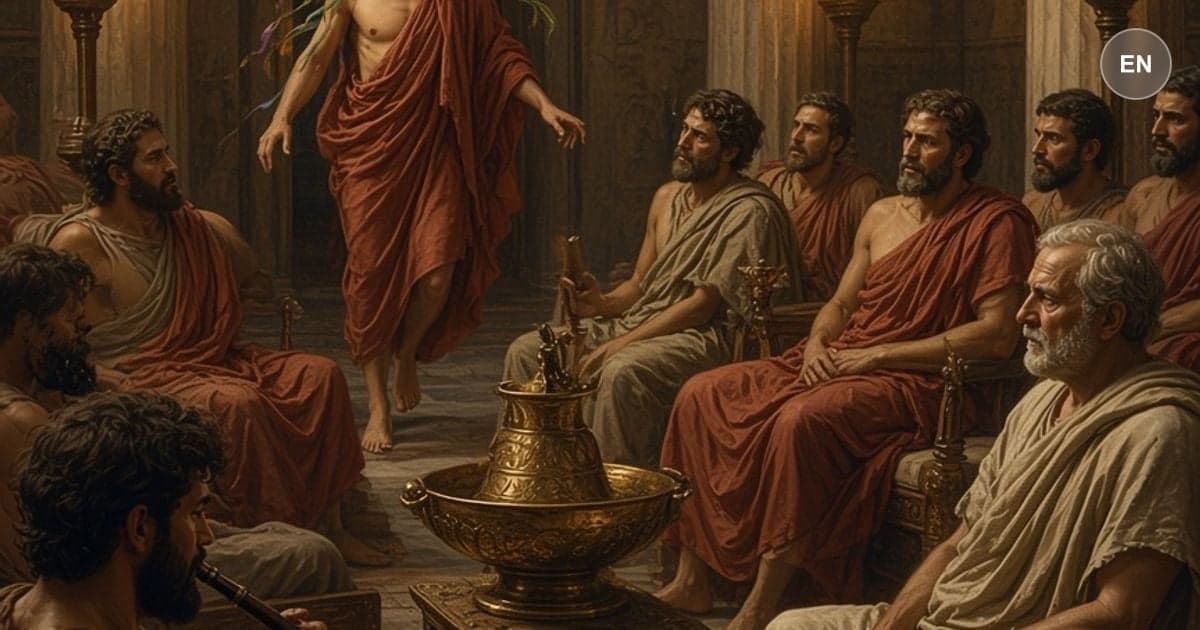
Aristophanes tells the speech people quote when they have not read the rest. Human beings were once round and double. They attacked the gods. Zeus cut them in two, like an egg divided with a hair, and left the navel as a memorial. Each of us is the indenture of a man, like a flat fish, always looking for the other half. The image is so clear that it feels like the book's answer.
It is not. Socrates then shows that love wants what it lacks. A half already found would not be desired in the same way. Diotima's ladder, in the later speech, will not stop at one body or one face. The vast sea of beauty is larger than the person the proverb was built to find. Plato lets Aristophanes charm the room. He does not let the charm close the night.
The missing half is a true picture of a kind of longing. It becomes a mistake when it is asked to be the whole account of love. Stay for the question that comes after the myth, not only for the cut.
The Central Lesson
Aristophanes makes the missing half unforgettable: round people cut in two, a navel left as a memorial, a flat fish always looking for the other side. Plato then spends the rest of the supper refusing to let that speech be the book. Socrates shows that love wants what it lacks, so a completed possession is not desire. The ladder moves past one face toward a sea of beauty. Remember the myth. Do not graduate from it early.
Applying This to Your Life
Hear the Cut Before You Quote It
Zeus cuts the round people because they threatened the gods, and he needs their sacrifices. The myth is a punishment story, not only a romance. If you keep the search and drop the cut, you have already edited Aristophanes.
Notice When the Half Does the Explaining
A flat fish looking for the other half makes every restlessness sound like a missing person. Ask whether the want would still be there if that person arrived. Socrates' question starts there.
Do Not Let the Proverb Finish
The later speeches will not leave the myth standing as the last word. If your summary of the night ends on the other half, you stopped where the popular account stops, not where Plato stops.
Other lessons in this book
More life-skill deep dives from the same classic.
Climbing Past Possession
The Vast Sea of Beauty
Follow birth in beauty and the ladder, then Alcibiades, who wanted Socrates and did not get him.
3 chapters·Explore AnalysisHearing a Story at Second Hand
What Seemed Worth Remembering
Follow Apollodorus on the road from Phalerum, and the half-asleep witness at dawn, and name who was in the room.
3 chapters·Explore AnalysisLove That Asks for Courage
Bare Feet on the Ice
Sit with Phaedrus on Alcestis, Orpheus, and Achilles, then with Alcibiades on the ice at Potidaea.
2 chapters·Explore AnalysisTwo Kinds of Desire
Two Goddesses, Two Loves
Hear Pausanias refuse a single Love, then watch Eryximachus carry the split into the body and the seasons.
2 chapters·Explore AnalysisWanting What You Lack
Socrates Is Easily Refuted
Watch Agathon's praise fail one question, then hear Diotima refuse to call Love a god.
3 chapters·Explore Analysis
Continue exploring
Explore this theme
The same lessons in other books
See how other books teach the same life skills.
The Idiot
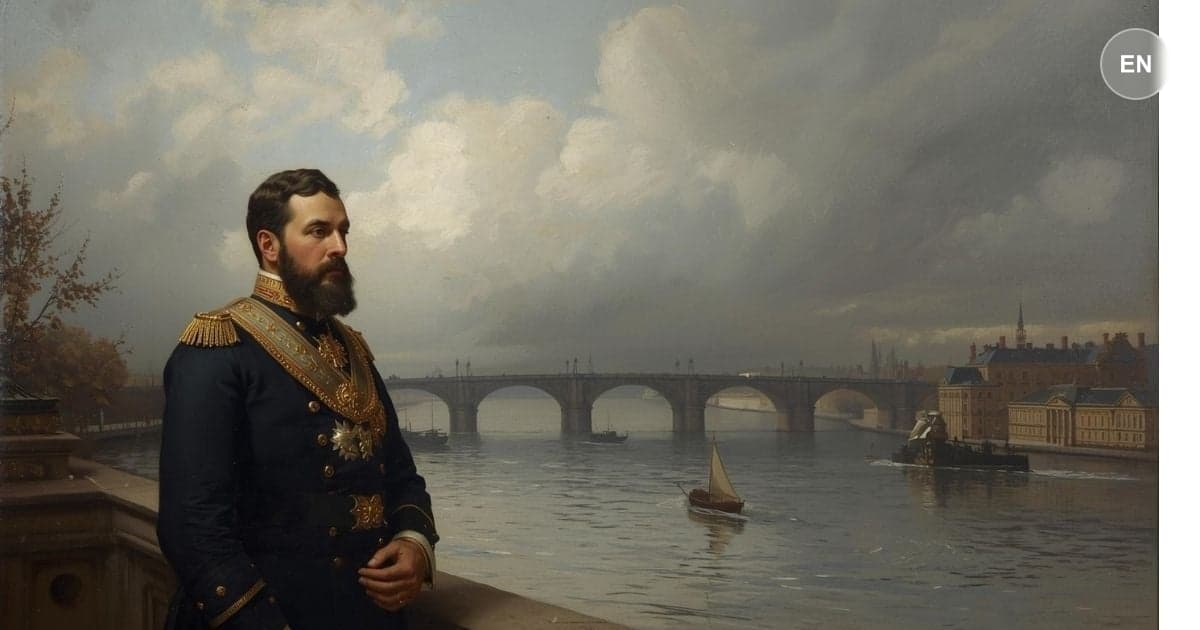
Maintaining Goodness Without NaivetySit with Myshkin on the train in chapter 1: honesty with no angle, and a city that can only call it idiocy.
Northanger Abbey
Separating Fiction from RealityStop letting Gothic plots supply the story: laundry bills become clues, an old abbey becomes a crime scene, and real cruelty arrives without a villain's mask.
The Blue Castle
Building a Life of Your OwnLeave Elm Street for Mistawis, lock a house that is yours, and keep the Blue Castle after the excuse to live is withdrawn.
Where the lesson lives in the book
Aristophanes and the Missing Half
Aristophanes praises Love in another way. The original human was round, four-armed, and able to roll like a wheel. They attacked the gods. Zeus would not destroy them, because the sacrifices would end, so he cut them in two. Apollo turned the faces toward the cut and left the navel as a memorial. Each of us, he says, is like a flat fish, always looking for the other half.
Key Insight:
The myth is memorable because it makes a want feel like a wound with one cure. That is also why the rest of the night has to answer it.
“Each of us when separated, having one side only, like a flat fish, is but the indenture of a man, and he is always looking for his other half.”
Socrates Shows Love Wants What It Lacks
Agathon has just praised Love as already beautiful and good. Socrates asks whether anyone desires what they already have. Agathon cannot refute the truth, and Socrates says he himself is easily refuted. The missing half, if it were already possessed, would no longer be an object of desire. Want lives in the lack.
Key Insight:
A found half would end the search Aristophanes described. Socrates will not let desire be the same thing as a completed possession.
“for Socrates is easily refuted.”
Diotima's Ladder
The lesser mysteries are named here, not in the previous speech. The climb does not stop at one body, or at one person treated as the whole of beauty. The lover is drawn toward the vast sea of beauty. A single other half cannot be the last step if beauty itself is larger than one face.
Key Insight:
The proverb ends when the half is found. The ladder treats that stopping place as a lesser mystery. One person is not the sea.
“contemplating the vast sea of beauty”