
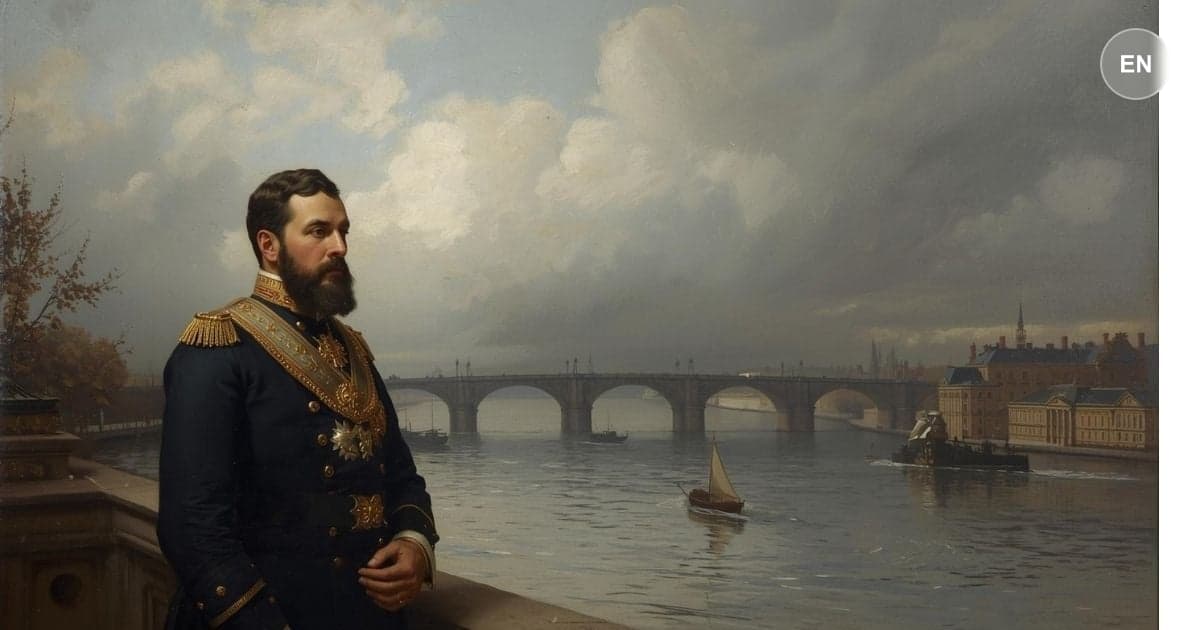
The Epanchin drawing-room had the part already cast. A poor relation, a Swiss invalid, a man to be kind to and then dismissed. Lizaveta Prokofievna had the line ready: a child, a pathetic-looking creature. Then he sat down and answered. No special business. He wanted to make the General's acquaintance. He told the scaffold story without converting it into a plea. He said he had not been in love, quietly, as if the question deserved an actual reply. The condescension had nowhere to land. What they named childhood was the absence of the irony this house requires of every adult in the room.
Marie's village is the same refusal, moved outdoors. A pregnant girl comes home and the street throws mud. Myshkin walks beside her in daylight. He does not argue the village into mercy. He simply will not join the performance of disgust, and that performance needs unanimity. The children, who had been the chorus, become the ones who hold her hand while she dies. Later a fortune arrives mid-conversation and the chairs wait for him to become a different animal. He does not. Lebedeff helps write a newspaper libel and the company waits for a score to be kept. He forgives as if loyalty had never been a ledger. Cynical rooms experience that as either stupidity or a moral trap.
The last chapter does not reward him. Rogozhin goes to Siberia. Nastasya is not brought into the proceedings as a person. Aglaya is gone. The clinic takes back the man Petersburg called an idiot. Dostoevsky is not proving that goodness was a mistake. He is proving that a city organized around angles will keep that name ready, and that undefended sincerity can still be real while it fails to survive the rooms it entered. The skill is not becoming harder so the room will respect you. It is refusing the costume without pretending the street will clap.
The Central Lesson
A cynical room will call the person without a costume a child, then a fool, then a problem. Myshkin's answers, Marie's street, the fortune that does not rewrite him, and the pardon that keeps no score are the same fact: goodness here is not a strategy that forgot to be clever. It is the refusal to join. The clinic at the end is not a verdict that the refusal was fake. It is the bill the city sends. Keep the refusal. Build a door the prince never learned to close.
Applying This to Your Life
Watch What They Name Childhood
When a room calls someone naive, ask whether the person lacked a costume or lacked a mind. Irony is often armor, not wisdom. If your own honesty is being filed under cute, the file is protecting the house, not describing you.
Refuse the Chorus Without a Speech
Marie's street needed every voice. One person who will not join can break a cruelty that argument cannot. You do not have to convert the village. You have to stop feeding the performance of disgust.
Do Not Confuse Survival With Selling Out
The clinic at the end is a real cost, not a joke about being too nice. Remaining good is not the same as remaining undefended. Keep the refusal. Learn the door Myshkin never built.
Other lessons in this book
More life-skill deep dives from the same classic.
Reading Authenticity vs Performance
Hear the Poor Knight, the truth game, and the dinner for Belokonskaya, and tell a person from a scene.
5 chapters·Explore AnalysisDistinguishing Intensity from Depth
Set Rogozhin's knife and packet against Myshkin's offer: heat is not the same thing as a life.
6 chapters·Explore AnalysisSetting Boundaries With Compassion
Name the yes that cannot become a no, from Marie's village to the vigil that cannot stop the knife.
5 chapters·Explore AnalysisKnowing Compassion's Limits
Stay with the choice that wrecks Aglaya: he will not abandon Nastasya, and the kindness has a cost.
5 chapters·Explore AnalysisRecognizing Destructive Love
Watch Nastasya and Rogozhin from the hundred thousand in the fire to the house police open in the morning.
6 chapters·Explore Analysis
Continue exploring
Explore this theme
The same lessons in other books
See how other books teach the same life skills.

Les Misérables: Essential Edition
Navigating Poverty and Social ClassTrace Fantine from 1817 hope to factory gossip, and the class that treats need as indictment.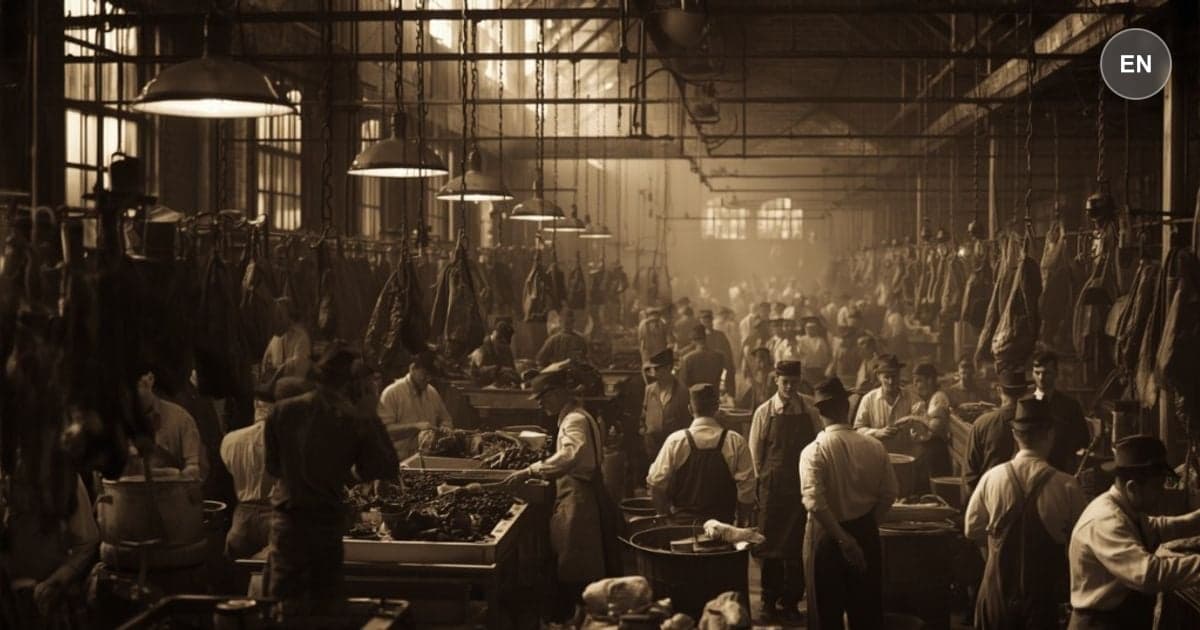
The Jungle
Reading Graft as Everyday GovernmentStay with Duane's cell and chapter 25: votes, inspectors, and a city that prices justice.
The Essays of Montaigne
Choosing Real FriendshipHear essay 27 answer La Boétie: because it was he, because it was I.
Where the lesson lives in the book
No Special Business
Myshkin arrives at General Epanchin's office and admits the visit has no errand. He wants to make the man's acquaintance. The General hears a beggar performing innocence. Then the performance fails to appear. The prince names his poverty, his illness, and his letter without converting any of it into a request. Help starts to happen because the usual bargaining never starts.
Key Insight:
In a house that reads every visit as an angle, a person with none looks like a trick. The first test of goodness is not whether it is useful. It is whether you can sit still while the room searches you for a motive.
“Oh, I have no special business; my principal object was to make your acquaintance.”
The Line They Had Ready
The Epanchin women come downstairs already cast. A poor relation. A Swiss invalid. Someone to be kind to and then dismissed. Lizaveta Prokofievna has the verdict prepared: a child, a pathetic-looking creature. He answers their questions as if the questions were real. He tells the scaffold story without ornament. He says he has not been in love, quietly. The condescension has nowhere to land.
Key Insight:
Sophisticated rooms use irony as armor. A person who meets the armor without putting any on will be named naive, then dangerous. The name is a defense of the costume, not a reading of the guest.
“He is quite a child, not to say a pathetic-looking creature.”
The Street That Needed Unanimity
He tells them about Marie, the girl who came home pregnant and found the village already rehearsed. Children threw mud. Myshkin walked beside her in daylight. He did not argue the street into mercy. He refused to join the performance of disgust, and the performance needed every voice. The children changed sides. She died with a hand in hers.
Key Insight:
Cruelty is often a chorus, not a conviction. One person who will not sing can break the spell without a speech. Example is slower than argument and harder to refute, because it does not ask the chorus to admit it was wrong. It only stops feeding it.
“Thanks to them, I assure you, the girl died almost perfectly happy.”
The Fortune That Waits for a New Animal
Mid-conversation he inherits a fortune large enough to rewrite the room. Faces rearrange. The company waits for strategy to arrive, for the poor guest to become a calculator now that he can afford one. He receives the news as news. He is uncertain what to do with the money and unchanged toward the people who were already in the chairs. The test was never the inheritance. It was whether the inheritance would finally give him an angle.
Key Insight:
Most goodness is a circumstance wearing a moral. Change the purse and watch whether the person remains. Myshkin's directness survives the will. That is rarer than kindness while broke, and it is also how a fortune makes him a larger target.
“You will receive, without the slightest trouble, by the last will and testament of your aunt, a very large sum of money indeed.”
Forgiveness With No Invoice
Ippolit names Lebedeff as a hand behind the newspaper libel. The room waits for withdrawal, a scene, a price. Myshkin forgives at once, without extracting repayment. Lizaveta Prokofievna is more disturbed by the pardon than by the betrayal. Scorekeeping is the local language. A man who will not speak it makes everyone else's grievances look small, which is not a social service they requested.
Key Insight:
Unconditional pardon reads as stupidity or as a trap to people trained to keep books. It can be neither. It can also teach the room that hurting this person costs nothing. The virtue and the vulnerability arrive in the same sentence.
“I am base—base!”
The Name the City Kept Ready
Rogozhin is sentenced to Siberia. Nastasya is barely a person in the proceedings. Aglaya is gone. Myshkin is returned to Schneider's clinic, speech gone, the Swiss verdict restored. Petersburg does not convert. It files him back under the word it used on the first day. Dostoevsky will not give you the comfort that sincerity was a costume all along. He will also not give you a city that makes room for it.
Key Insight:
The last chapter is not a proof that goodness was fake. It is a bill. A room organized around angles will keep the word idiot loaded. Remaining good is not the same as remaining intact. The novel leaves you with both facts and no slogan to cancel either.
“condemned to hard labour in Siberia for fifteen years”