Wide Reads
Literature MattersLife IndexEducators
Sign in
Where to Begin
Proverbs - Leadership, Parenting, and Personal Boundaries

King Solomon (attributed)

Proverbs

Leadership, Parenting, and Personal Boundaries

Home›Books›Proverbs›Chapter 29
Previous
29 of 31
Next

Summary

Leadership, Parenting, and Personal Boundaries

Proverbs by King Solomon (attributed)

0:000:00
Listen to Next Chapter

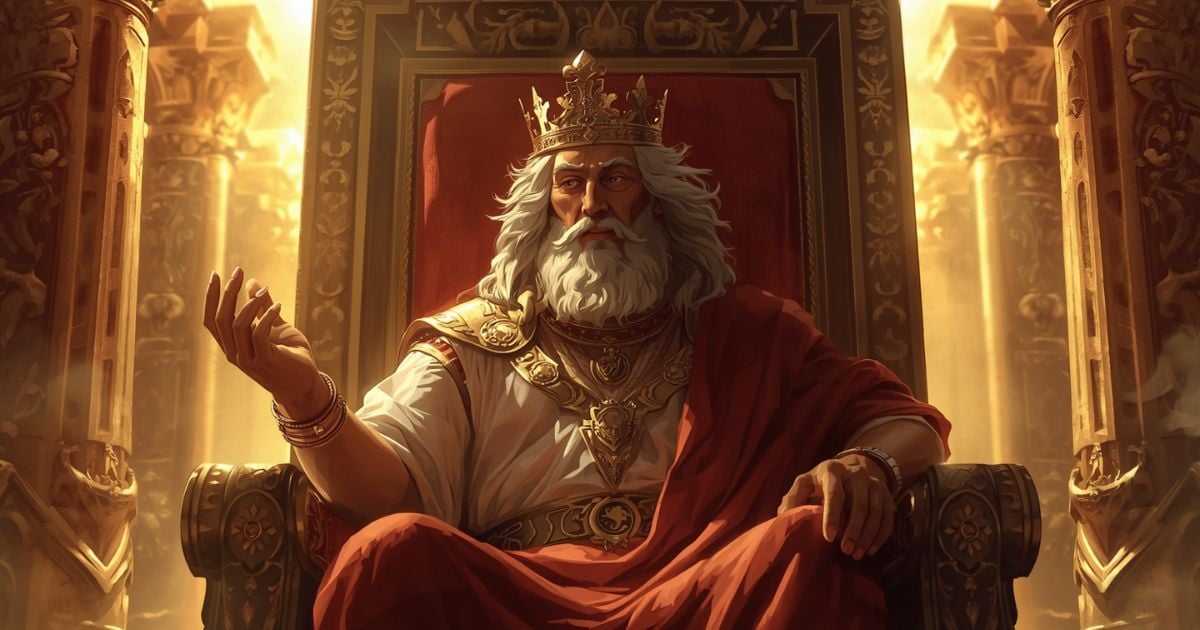
Chapter 29 closes the Hezekian collection with twenty-seven couplets spanning correction, governance, the poor, parenting, anger, pride, and ultimate judgment. The opening is severe: he who being often reproved hardens his neck shall suddenly be destroyed, and that without remedy. Repetition of correction without response is not a neutral state — it is a trajectory toward irreversible destruction. On governance: when the righteous are in authority, the people rejoice; when the wicked bear rule, the people mourn. The king by judgment establishes the land, but he that receives gifts overthrows it. If a ruler listens to lies, all his servants become wicked. The righteous considers the cause of the poor, but the wicked regards not to know it. Where there is no vision, the people perish — one of the most quoted lines in the entire Bible. The original word translated "vision" carries the sense of prophetic direction, not merely organizational mission. Without revelation or moral direction, people become ungovernable. On parenting: the rod and reproof give wisdom, but a child left to himself brings his mother to shame. Correct your son and he shall give you rest; he shall give delight to your soul. On anger and pride: an angry man stirs up strife, and a furious man abounds in transgression. A man's pride shall bring him low, but honor shall uphold the humble in spirit. The fear of man brings a snare, but whoever puts his trust in the LORD shall be safe. Many seek the ruler's favor, but every man's judgment comes from the LORD — the ultimate source of justice is not political but divine. The chapter ends with its starkest observation: an unjust man is an abomination to the just, and he that is upright in the way is an abomination to the wicked. Righteousness and wickedness do not merely compete — they are mutually repellent.

Coming Up in Chapter 30

The final section introduces us to Agur, a mysterious wisdom teacher whose perspective brings fresh insights to complement Solomon's teachings. His approach to wisdom takes an unexpectedly humble turn that might surprise you.

Share it with friends

Previous ChapterNext Chapter
GO ADS FREE — JOIN US
Original text
complete·425 words
H

e, that being often reproved hardeneth his neck, shall suddenly be destroyed, and that without remedy.

When the righteous are in authority, the people rejoice: but when the wicked beareth rule, the people mourn.

Whoso loveth wisdom rejoiceth his father: but he that keepeth company with harlots spendeth his substance.

The king by judgment establisheth the land: but he that receiveth gifts overthroweth it.

A man that flattereth his neighbour spreadeth a net for his feet.

In the transgression of an evil man there is a snare: but the righteous doth sing and rejoice.

The righteous considereth the cause of the poor: but the wicked regardeth not to know it.

Scornful men bring a city into a snare: but wise men turn away wrath.

If a wise man contendeth with a foolish man, whether he rage or laugh, there is no rest.

The bloodthirsty hate the upright: but the just seek his soul.

A fool uttereth all his mind: but a wise man keepeth it in till afterwards.

If a ruler hearken to lies, all his servants are wicked.

The poor and the deceitful man meet together: the LORD lighteneth both their eyes.

1 / 3

Master this chapter. Complete your experience

Purchase the complete book to access all chapters and support classic literature

Read Free on GutenbergBuy at Powell'sBuy on Amazon

As an Amazon Associate, we earn a small commission from qualifying purchases at no additional cost to you.

Available in paperback, hardcover, and e-book formats

GO ADS FREE — JOIN US

Why This Matters

Connect literature to life

Skill: Reading Power Dynamics

This chapter teaches how to identify when authority figures are becoming dangerous through their relationship with feedback and criticism.

Practice This Today

This week, notice how supervisors, managers, or family leaders respond when someone disagrees with them or offers suggestions—their reaction tells you everything about future stability.

Now let's explore the literary elements.

Key Quotes & Analysis

"He, that being often reproved hardeneth his neck, shall suddenly be destroyed, and that without remedy."

— Solomon

Context: Opening warning about people who refuse correction

This sets the tone for the entire chapter about consequences of pride and stubbornness. Solomon warns that people who consistently reject feedback are heading for a crash that can't be prevented or fixed.

In Today's Words:

Someone who keeps ignoring good advice will eventually face consequences that can't be undone.

"When the righteous are in authority, the people rejoice: but when the wicked beareth rule, the people mourn."

— Solomon

Context: Describing the impact of different types of leadership

This captures how leadership affects everyone under it. Good leaders create hope and positive energy, while corrupt leaders drain morale and create suffering for those they're supposed to serve.

In Today's Words:

Good bosses make everyone happier; bad bosses make everyone miserable.

"Where there is no vision, the people perish."

— Solomon

Context: Warning about lack of direction and purpose

One of the most famous verses in Proverbs, emphasizing that groups need clear direction and shared purpose to thrive. Without guidance, people become lost and communities fall apart.

In Today's Words:

When there's no clear direction or purpose, everything falls apart.

"A fool uttereth all his mind: but a wise man keepeth it in till afterwards."

— Solomon

Context: Contrasting wise and foolish communication

This highlights the importance of restraint and timing in communication. Wise people think before they speak and choose their moments, while fools say everything immediately without consideration.

In Today's Words:

Smart people think before they speak; foolish people say whatever pops into their head.

Thematic Threads

Power Dynamics

In This Chapter

Solomon contrasts righteous and wicked leadership, showing how authority affects everyone under it

Development

Building on earlier warnings about corrupt officials, now showing the ripple effects of leadership choices

In Your Life:

You experience this with every boss, supervisor, or authority figure who shapes your daily reality

Personal Boundaries

In This Chapter

Warnings against flattery, dishonest partnerships, and fear of others controlling your decisions

Development

Expanding relationship wisdom to include recognizing manipulation and maintaining independence

In Your Life:

You face this every time someone tries to influence you through compliments, pressure, or fear tactics

Delayed Consequences

In This Chapter

Pride leads to downfall, anger creates ongoing conflict, refusing correction leads to destruction

Development

Reinforcing the long-term thinking theme that runs throughout Proverbs

In Your Life:

Your daily choices in relationships and work create outcomes you'll live with for years

Vision and Direction

In This Chapter

Where there is no vision, people perish—groups need purpose and leadership to thrive

Development

New theme connecting individual wisdom to collective success

In Your Life:

You need clear goals and direction in your own life, and you suffer in groups that lack them

Social Environment

In This Chapter

Your companions and influences shape your destiny—choose wisely who you surround yourself with

Development

Deepening the friendship and association warnings from earlier chapters

In Your Life:

The people you spend time with at work, home, and socially are actively shaping who you become

You now have the context. Time to form your own thoughts.

Discussion Questions

  1. 1

    Solomon warns that someone who refuses correction will be 'suddenly destroyed without remedy.' What does this pattern look like in real life situations you've observed?

    analysis • surface
  2. 2

    Why does Solomon connect good leadership with people 'rejoicing' and bad leadership with people 'mourning'? What creates these emotional responses to authority?

    analysis • medium
  3. 3

    The chapter mentions that 'a man's pride will bring him low, but honor will uphold the humble in spirit.' Where do you see this pride-to-downfall pattern playing out in workplaces, families, or communities today?

    application • medium
  4. 4

    Solomon says 'the fear of man brings a snare, but whoever trusts in the Lord shall be safe.' How do you navigate situations where pleasing people conflicts with doing what you know is right?

    application • deep
  5. 5

    This chapter repeatedly shows how our choices about feedback, relationships, and authority shape our outcomes. What does this reveal about how much control we actually have over our life trajectory?

    reflection • deep

Critical Thinking Exercise

10 minutes

Map Your Feedback Resistance Points

Think of an area where you've been getting repeated feedback or criticism - from a boss, family member, or friend. Write down what the feedback is, why you resist it, and what you're afraid would happen if you actually followed it. Then honestly assess: is your resistance protecting you or isolating you from reality?

Consider:

  • •Notice the difference between feedback that threatens your safety versus feedback that threatens your ego
  • •Consider whether the person giving feedback has your best interests at heart or their own agenda
  • •Ask yourself: what would someone who cares about my success want me to hear right now?

Journaling Prompt

Write about a time when you ignored good advice and later wished you had listened. What made the advice hard to hear at the time, and what would help you be more open to difficult feedback in the future?

Coming Up Next...

Chapter 30: Agur's Honest Questions and Life Patterns

The final section introduces us to Agur, a mysterious wisdom teacher whose perspective brings fresh insights to complement Solomon's teachings. His approach to wisdom takes an unexpectedly humble turn that might surprise you.

Continue to Chapter 30
Previous
When Power Corrupts and Conscience Guides
Contents
Next
Agur's Honest Questions and Life Patterns

Continue Exploring

Proverbs Study GuideTeaching ResourcesEssential Life IndexBrowse by ThemeAll Books

You Might Also Like

The Dhammapada cover

The Dhammapada

Buddha

Explores morality & ethics

Nicomachean Ethics cover

Nicomachean Ethics

Aristotle

Explores morality & ethics

The Bhagavad Gita cover

The Bhagavad Gita

Vyasa

Explores morality & ethics

The Book of Job cover

The Book of Job

Anonymous

Explores morality & ethics

Browse all 47+ books

Share This Chapter

Know someone who'd enjoy this? Spread the wisdom!

TwitterFacebookLinkedInEmail

Read ad-free with Prestige

Get rid of ads, unlock study guides and downloads, and support free access for everyone.

Subscribe to PrestigeCreate free account
Intelligence Amplifier
Intelligence Amplifier™Powering Wide Reads

Exploring human-AI collaboration through books, essays, and philosophical dialogues. Classic literature transformed into navigational maps for modern life.

2025 Books

→ The Amplified Human Spirit→ The Alarming Rise of Stupidity Amplified→ San Francisco: The AI Capital of the World
Visit intelligenceamplifier.org
hello@widereads.com

WideReads Originals

→ You Are Not Lost→ The Last Chapter First→ The Lit of Love→ Wealth and Poverty→ 10 Paradoxes in the Classics · coming soon
Arvintech
arvintechAmplify your Mind
Visit at arvintech.com

Navigate

  • Home
  • Library
  • Essential Life Index
  • How It Works
  • Subscribe
  • Account
  • About
  • Contact
  • Authors
  • Suggest a Book
  • Landings

Made For You

  • Students
  • Educators
  • Families
  • Readers
  • Literary Analysis
  • Finding Purpose
  • Letting Go
  • Recovering from a Breakup
  • Corruption
  • Gaslighting in the Classics

Newsletter

Weekly insights from the classics. Amplify Your Mind.

Legal

  • Privacy Policy
  • Terms of Service
  • Cookie Policy
  • Accessibility

Why Public Domain?

We focus on public domain classics because these timeless works belong to everyone. No paywalls, no restrictions—just wisdom that has stood the test of centuries, freely accessible to all readers.

Public domain books have shaped humanity's understanding of love, justice, ambition, and the human condition. By amplifying these works, we help preserve and share literature that truly belongs to the world.

A Pilgrimage

Powell's City of Books

Portland, Oregon

If you ever find yourself in Portland, walk to the corner of Burnside and 10th. The building takes up an entire city block. Inside is over a million books, new and used on the same shelf, organized by color-coded rooms with names like the Rose Room and the Pearl Room. You can lose an afternoon. You can lose a weekend. You will find a book you have been looking for your whole life, and three you did not know existed.

It is a pilgrimage. We cannot find a bookstore like it anywhere on earth. If you read the classics, and you ever get the chance, go. It belongs on every reader's bucket list.

Visit powells.com

We are not in any way affiliated with Powell's. We are just a very big fan.

© 2026 Wide Reads™. All Rights Reserved.

Intelligence Amplifier™ and Wide Reads™ are proprietary trademarks of Arvin Lioanag.

Copyright Protection: All original content, analyses, discussion questions, pedagogical frameworks, and methodology are protected by U.S. and international copyright law. Unauthorized reproduction, distribution, web scraping, or use for AI training is strictly prohibited. See our Copyright Notice for details.

Disclaimer: The information provided on this website is for general informational and educational purposes only and does not constitute professional, legal, financial, or technical advice. While we strive to ensure accuracy and relevance, we make no warranties regarding completeness, reliability, or suitability. Any reliance on such information is at your own risk. We are not liable for any losses or damages arising from use of this site. By using this site, you agree to these terms.