Chapter 28 contains twenty-eight couplets with a strong emphasis on justice, integrity in commerce and governance, and the relationship between law and righteousness.
The opening image is immediately striking: the wicked flee when no man pursues them, but the righteous are bold as a lion. Guilt creates its own terror; integrity creates its own fearlessness.
For the transgression of a land, its princes are many , political instability is connected to moral disorder. A poor man who oppresses other poor people is like a sweeping rain that leaves no food , the cruelest oppressor is sometimes the one who has recently risen from poverty and turns on those still in it.
He that turns away his ear from hearing the law , even his prayer is an abomination. This is a severe statement: rejecting the law does not just corrupt behavior, it corrupts worship itself.
He that by usury and unjust gain increases his wealth shall gather it for someone who will show pity to the poor , ill-gotten wealth does not ultimately stay with the one who gathered it.
He that covers his sins shall not prosper, but whoever confesses and forsakes them shall have mercy. He that makes haste to be rich shall not be innocent. A faithful man shall abound with blessings, but he that makes haste to be rich considers not that poverty shall come upon him.
He that giveth unto the poor shall not lack, but he that hides his eyes shall have many a curse.
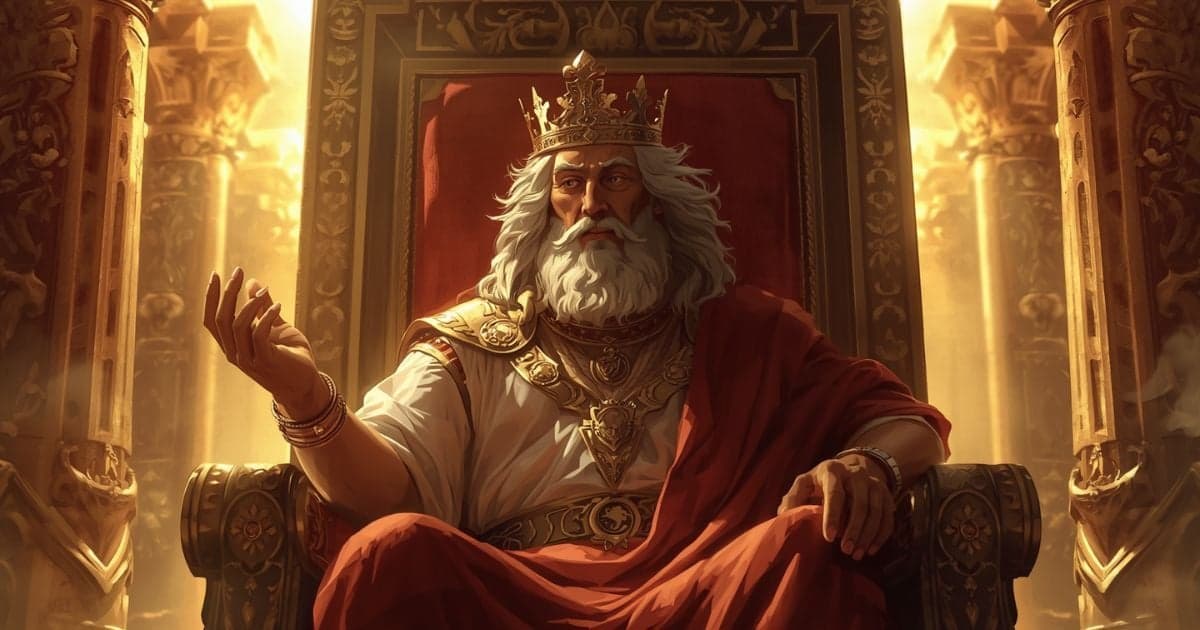
When the righteous are in authority the people rejoice; when the wicked rise men hide themselves. As a roaring lion and a ranging bear, so is a wicked ruler over the poor people.
He that trusts in his own heart is a fool, but whoever walks wisely shall be delivered. He that is of a proud heart stirs up strife, but he that puts his trust in the LORD shall be made fat.
Coming Up in Chapter 29
Next, Solomon warns that repeated reproof ignored hardens the neck until sudden destruction, and that people rejoice or mourn depending on whether the righteous or wicked bear rule Chapter 29 closes the Hezekian collection with twenty-seven couplets spanning correction, governance, the poor, parenting, anger, pride, and ultimate judgment. The opening is severe: he who being often reproved hardens his neck shall suddenly be destroyed.