Chapter 30
Agur's Honest Questions and Life Patterns
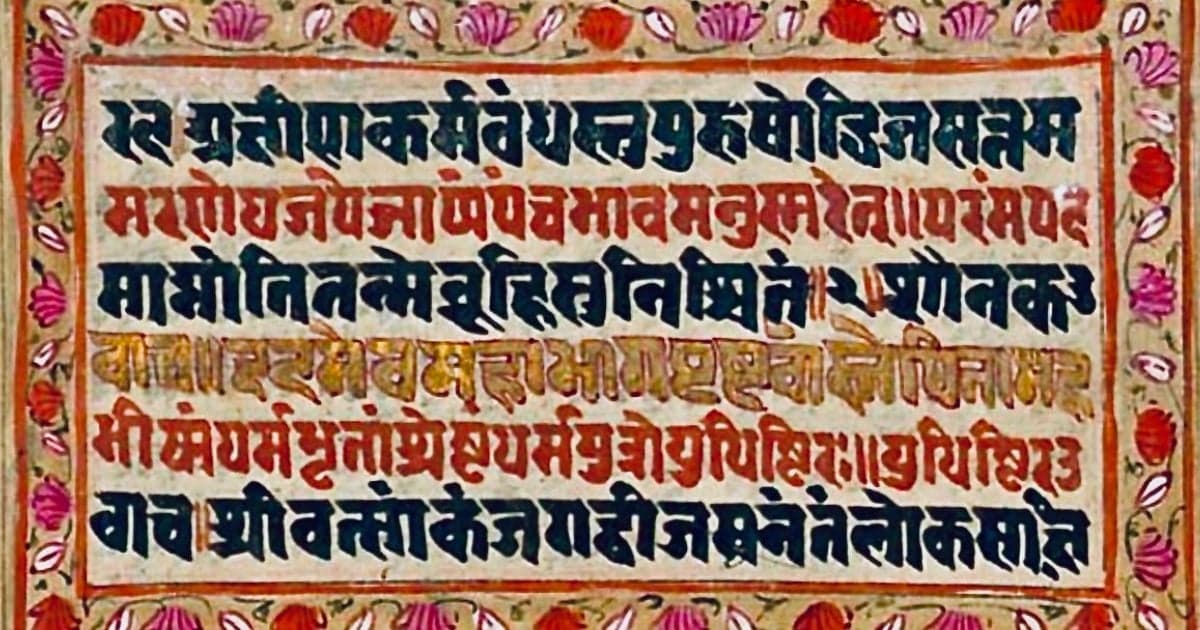
The words of Agur the son of Jakeh, even the prophecy: the man spake unto Ithiel, even unto Ithiel and Ucal, Surely I am more brutish than any man, and have not the understanding of a man. I neither learned wisdom, nor have the knowledge of the holy. Who hath ascended up into heaven, or descended? who hath gathered the wind in his fists? who hath bound the waters in a garment? who hath established all the ends of the earth? what is his name, and what is his son's name, if thou canst tell? Every word of God is…
Public-domain chapter text, formatted for reading.
Master this chapter. Complete your experience
Purchase the complete book to access all chapters and support classic literature
Available in paperback, hardcover, and e-book formats
Now let's explore the literary elements.
Key Quotes & Analysis
"Surely I am more brutish than any man, and have not the understanding of a man."
Context: Opening confession of limits
Wisdom can start with humility.
In Today's Words:
Agur opens by calling himself more brutish than any man and lacking human understanding. Credibility sometimes grows when experts admit the edge of their knowledge. Try saying I do not know yet in one meeting and notice whether trust rises instead of falling. Notice the same pattern this week before you commit to a choice
"Remove far from me vanity and lies: give me neither poverty nor riches; feed me with food convenient for me: Lest I be full, and deny thee, and say, Who is the LORD? or lest I be poor, and steal, and take the name of my God in vain."
Context: Prayer for moral distance
Falsehood and emptiness are active threats.
In Today's Words:
Agur prays to remove vanity and lies far from him. Self-flattery and convenient falsehoods corrode judgment faster than obvious villains do. Audit one story you tell about yourself that sounds heroic but hides the part you are ashamed to admit. Notice the same pattern this week before you commit to a choice that will be
"give me neither poverty nor riches; feed me with food convenient for me: Lest I be full, and deny thee, and say, Who is the LORD? or lest I be poor, and steal, and take the name of my God in vain."
Context: Prayer for moderate provision
Extremes tempt betrayal.
In Today's Words:
Agur asks for neither poverty nor riches but food convenient for him. Desperation steals; abundance forgets dependence. If your lifestyle requires constant hustle or constant display, ask what virtue you are trading to maintain the edge. Notice the same pattern this week before you commit to a choice that will be hard to reverse.
"There be four things which are little upon the earth, but they are exceeding wise: The ants are a people not strong, yet they prepare their meat in the summer; The conies are but a feeble folk, yet make they their houses in the rocks; The locusts have no king, yet go they forth all of them by bands; The spider taketh hold with her hands, and is in kings' palaces."
Context: Small creatures as teachers
Size is not wisdom's measure.
In Today's Words:
Agur lists four small things on earth that are exceedingly wise. Ants, coneys, locusts, and spiders succeed through instinct and cooperation, not bulk. Look for efficient models in your work instead of assuming bigger budgets solve every problem automatically. Notice the same pattern this week before you commit to a choice that will be hard
Thematic Threads
Humility
In This Chapter
Agur's radical honesty about his own limitations becomes the foundation for genuine wisdom
Development
Contrasts sharply with Solomon's confident pronouncements, showing wisdom can come from admitting ignorance
In Your Life:
You gain more respect at work by saying 'I don't know but I'll find out' than by pretending to have answers you don't have.
Class
In This Chapter
Agur's prayer for neither poverty nor riches reveals how both extremes corrupt character and judgment
Development
Develops earlier themes about wealth's dangers while adding insight about poverty's temptations
In Your Life:
You might notice how financial stress makes you consider shortcuts you'd normally reject, or how windfalls make you forget what really matters.
Pattern Recognition
In This Chapter
Agur identifies recurring generational types and natural mysteries through careful observation
Development
Shifts from prescriptive wisdom to descriptive pattern-mapping of human behavior
In Your Life:
You can predict workplace drama by recognizing the 'four generations' of problematic people in any organization.
Power Dynamics
In This Chapter
Warning about servants who become kings and how unprepared people handle sudden authority
Development
Builds on earlier warnings about power while focusing on preparation and readiness
In Your Life:
You've seen coworkers get promoted too fast and become impossible to work with because they weren't ready for the responsibility.
Practical Wisdom
In This Chapter
Small creatures succeed through strategy rather than strength—ants prepare, locusts organize, spiders persist
Development
Continues theme of wisdom over force while emphasizing collective action and persistence
In Your Life:
You can accomplish more through consistent small actions and smart alliances than through dramatic gestures or working alone.
You now have the context. Time to form your own thoughts.
Discussion Questions
This is not a test. Five prompts guide you through the chapter, from how it opens to how it closes, so you notice context and rhythm rather than facts to memorize. Sit with each question in your own words. When you see "One way to read it," treat it as a starting point, not the only answer.
- 1
Why does Agur open by confessing brutish ignorance?
analysis • surfaceOne way to read it
Honest limits create room for real learning instead of performed expertise.
- 2
Why ask for neither poverty nor riches?
analysis • mediumOne way to read it
Extremes tempt denial of God or theft; moderate provision supports faithfulness.
- 3
What warning sits in adding to God's words?
application • mediumOne way to read it
Inflating revelation invites reproof and being found a liar.
- 4
What do the small yet wise creatures teach about strength?
application • deepOne way to read it
Efficiency and instinct can outperform size when applied consistently.
- 5
Where are you faking certainty to avoid looking ignorant?
reflection • deepOne way to read it
Admit one limit publicly this week and ask a question that could actually improve your judgment.
Critical Thinking Exercise
Practice Strategic Humility
Think of a current situation where you've been trying to appear confident or knowledgeable but actually feel uncertain. Write down three honest questions you could ask instead of pretending to know the answers. Then identify one area of your life where you might be pursuing 'too much' (like Agur's concern about riches) or settling for 'too little' (like his concern about poverty).
Consider:
- •Notice the difference between productive questions and defensive statements
- •Consider how asking for help might actually increase others' respect for you
- •Think about what 'just enough' looks like in your specific circumstances
Journaling Prompt
Write about a time when admitting you didn't know something led to better outcomes than if you had pretended to have all the answers. What did you learn about the power of strategic humility?
Coming Up Next...
Chapter 31: The Mother's Final Wisdom
Next, King Lemuel's mother charges him to open his mouth for the voiceless and judge righteously for the poor. She closes the book with the virtuous woman whose competence, generosity, and fear of the LORD let her own works praise her in the gates..