Chapter 18
One crowded evening can lock in a false story when absence reads as...
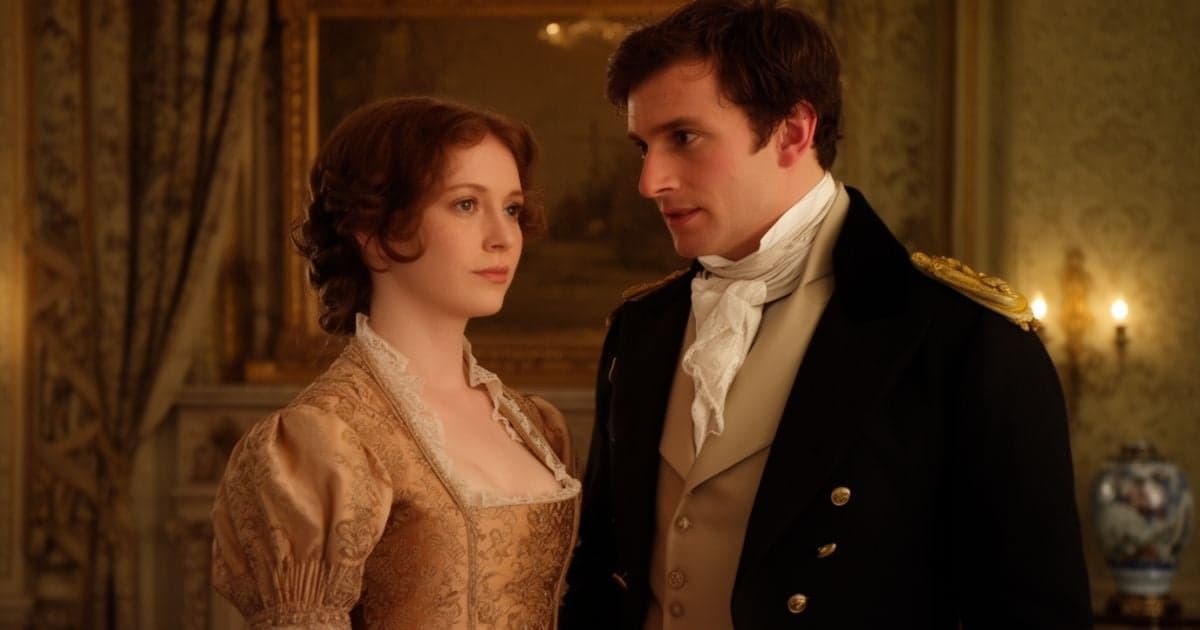
[Illustration] Till Elizabeth entered the drawing-room at Netherfield, and looked in vain for Mr. Wickham among the cluster of red coats there assembled, a doubt of his being present had never occurred to her. The certainty of meeting him had not been checked by any of those recollections that might not unreasonably have alarmed her. She had dressed with more than usual care, and prepared in the highest spirits for the conquest of all that remained unsubdued of his heart, trusting that it was not more than might be won in the course of the evening. But in an instant…
Public-domain chapter text, formatted for reading.
Master this chapter. Complete your experience
Purchase the complete book to access all chapters and support classic literature
Available in paperback, hardcover, and e-book formats
Now let's explore the literary elements.
Key Quotes & Analysis
"Heaven forbid! _That_ would be the greatest misfortune of all! To find a man agreeable whom one is determined to hate"
Context: After Charlotte says she may find Darcy agreeable when he asks her to dance
Elizabeth names her conscious prejudice before the conversation complicates it.
In Today's Words:
Oh god, that would be the worst possible outcome! Imagine actually liking someone you've already decided to dislike! Elizabeth knows she's being stubborn about Darcy, but admitting you might be wrong about someone feels like losing control. It's like when you've complained about a difficult client so much that finding common ground becomes personally threatening.
"ith-- “It is _your_ turn to say something now, Mr. Darcy. _I_ talked about the dance, and _you_ ought to make some kind of remark on the size of the room, or the number of couples"
Context: During their dance together at Netherfield
Wit that forces engagement; their chemistry appears in antagonism before attraction is admitted.
In Today's Words:
Your move, Darcy. I handled the weather talk, so now you can comment on the crowd or decorations. Elizabeth won't tolerate uncomfortable quiet, particularly with someone who irritates her. It's like being trapped in polite conversation with that coworker who gets under your skin but you refuse to give them the satisfaction of walking away.
"Mr. Wickham is blessed with such happy manners as may insure his _making_ friends; whether he may be equally capable of _retaining_ them, is less certain"
Context: After Elizabeth mentions forming a new acquaintance at Meryton
Darcy's guarded warning; Elizabeth reads guilt while readers may hear truth.
In Today's Words:
Wickham has that natural charm that helps him network effortlessly and make great first impressions. Whether he can actually maintain those professional relationships long term is another question entirely. Darcy's giving Elizabeth a subtle heads up about someone's character, but she's too defensive to hear the warning. Classic workplace politics where good advice gets dismissed.
"You are not going to introduce yourself to Mr. Darcy?"
Context: From the second half of the chapter
This line anchors the chapter's closing movement and shows how social pressure and private feeling collide in the scene.
In Today's Words:
In today's language, the passage says: You are not going to introduce yourself to Mr. Darcy? Readers still recognize the same dynamic when pride, strategy, or family pressure turns a private moment into public consequence. The pattern still shows up in offices, families, and neighborhoods today, where the same pressure narrows what people can see
Thematic Threads
Prejudice and proximity
In This Chapter
Elizabeth hates Darcy yet dances and talks with him at length
Development
Attraction and antagonism entwined
In Your Life:
When have you been most sharp with someone you could not ignore?
Family as social risk
In This Chapter
Mrs. Bennet, Mary, Collins embarrass Elizabeth before Darcy
Development
Her shame foreshadows his first proposal insult
In Your Life:
When has a relative's public behaviour changed how others saw you?
Competing narratives
In This Chapter
Wickham's tale versus Caroline and Bingley on Darcy's behalf
Development
Elizabeth chooses the story that fits her dislike
In Your Life:
At a gathering, whose version of a conflict did you accept without cross-check?
Jane and Bingley
In This Chapter
Sir William's hint, Mrs. Bennet's loud hopes, Jane's happiness
Development
Parallel romance track peaks before interference
In Your Life:
When has a friend's romance made you overlook warnings about someone else?
Class and performance
In This Chapter
Collins on clerical dignity equal to rank; Caroline on Wickham's descent
Development
Status language everywhere at the ball
In Your Life:
Where do people rank others by parentage or job title at a social event?
You now have the context. Time to form your own thoughts.
Discussion Questions
This is not a test. Five prompts guide you through the chapter, from how it opens to how it closes, so you notice context and rhythm rather than facts to memorize. Sit with each question in your own words. When you see "One way to read it," treat it as a starting point, not the only answer.
- 1
Why is Mr. Wickham absent from the Netherfield ball, and how does Elizabeth interpret his absence?
analysis • surfaceOne way to read it
Denny says Wickham went to town on business and suggests he wished to avoid a certain gentleman there. Elizabeth takes this as proof that Darcy is answerable for Wickham's absence and her disappointment sharpens her anger.
- 2
What do Elizabeth and Mr. Darcy discuss during their dance, and how does the subject of Mr. Wickham arise?
analysis • mediumOne way to read it
Their conversation mixes wit and hostility. Elizabeth probes his unappeasable resentment, mentions Meryton, and trades barbs until he warns that Wickham makes friends more easily than he keeps them.
- 3
When have you interpreted someone's absence at an important event as proof of a story you already wanted to believe?
application • mediumOne way to read it
Think of reading no-show as guilt, silence as agreement, or avoidance as confirmation of your side before learning whether logistics, fear, or another person caused the absence.
- 4
Mr. Collins introduces himself to Mr. Darcy as Lady Catherine's nephew despite Elizabeth's protest. What social damage does that moment do?
application • deepOne way to read it
Collins's presumptuous bow embarrasses Elizabeth by linking her to his obsequiousness in front of the man she already despises. It also shows how family performance can undermine your own standing in a room.
- 5
What does the ball reveal about how public humiliation, family behavior, and missing witnesses can harden a prejudice all at once?
reflection • deepOne way to read it
Elizabeth loses Wickham, dances with Collins in mortification, hears rival accounts of Darcy, suffers Mrs. Bennet's loud matchmaking, and leaves with her anger confirmed rather than tested. One evening stacks reasons to hate him before she hears his full story.
Critical Thinking Exercise
The Night That Fixed Your View
Recall a major social event where someone you disliked was absent, a rival told you their side, and family behaviour embarrassed you. What did you conclude that night without verification?
Consider:
- •Did absence count as guilt for you?
- •Did conversation with the disliked person change anything or harden you?
- •Whose account did you reject because of who told it, not what evidence they had?
Coming Up Next...
Chapter 19: Chapter XIX
The morning after the ball, Mr. Collins will make his formal offer, and Elizabeth's refusal will throw Longbourn into an uproar. One crowded evening can lock in a false story when absence reads as guilt, rivals tell you what you want to hear, and your family performs every mistake in public.