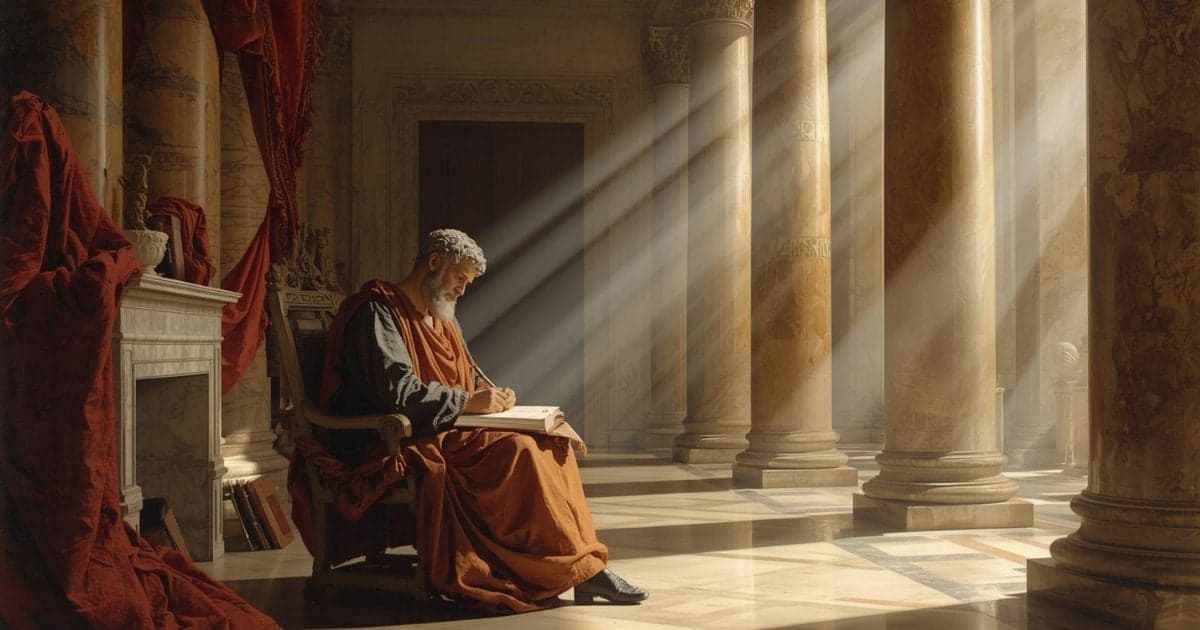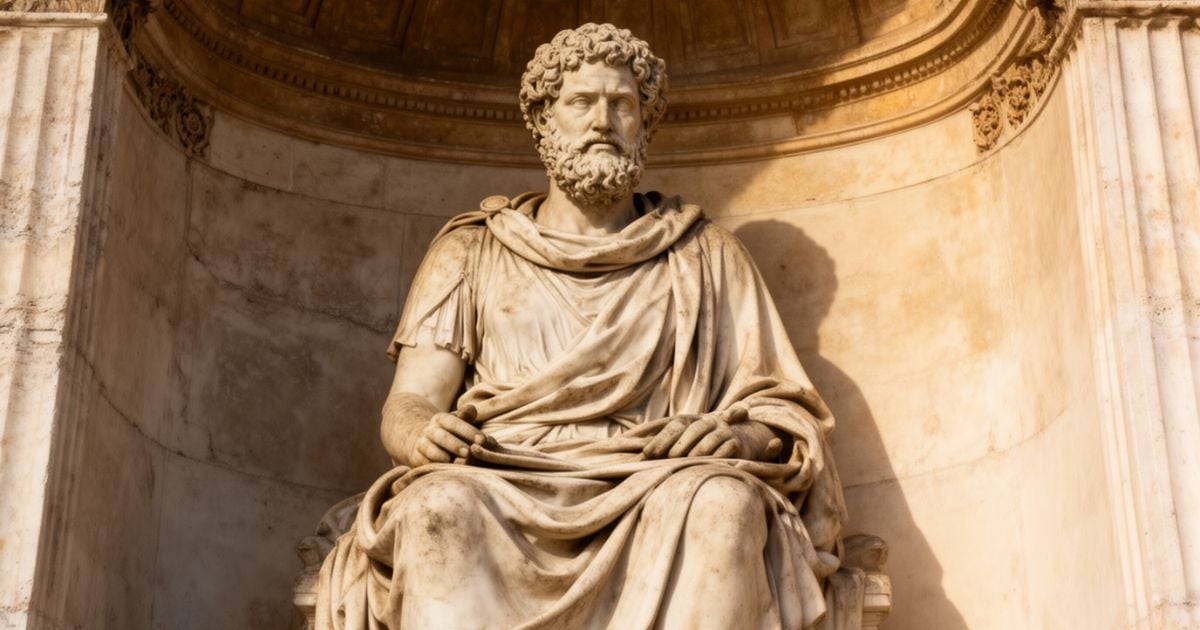
Chapter 10
The Soul's Journey to Simplicity
THE TENTH BOOK I. O my soul, the time I trust will be, when thou shalt be good, simple, single, more open and visible, than that body by which it is enclosed. Thou wilt one day be sensible of their happiness, whose end is love, and their affections dead to all worldly things. Thou shalt one day be full, and in want of no external thing: not seeking pleasure from anything, either living or insensible, that this world can afford; neither wanting time for the continuation of thy pleasure, nor place and opportunity, nor the favour either of the weather…
Public-domain chapter text, formatted for reading.
Master this chapter. Complete your experience
Purchase the complete book to access all chapters and support classic literature
Available in paperback, hardcover, and e-book formats
Now let's explore the literary elements.
Key Quotes & Analysis
"O my soul, the time I trust will be, when thou shalt be good, simple, single, more open and visible, than that body by which it is enclosed."
Context: Section I opening address to the soul
Marcus names the destination: inner simplicity clearer than the body that hides it.
In Today's Words:
Marcus opens by speaking straight to his soul, trusting that one day it will be good, simple, and more openly visible than the body hiding it. The destination is freedom from worldly craving and conversation fit for both gods and men without complaint or condemnable act.
"Whatsoever it be that happens unto thee, it is that which from all time was appointed unto thee."
Context: Section V on fate and coherence of causes
Marcus locates each event inside the same chain that made the person receiving it.
In Today's Words:
Marcus says whatever happens to you belonged to your allotment from the beginning, woven into the same chain of causes that made you who you are. Fighting the event is fighting your place in the whole; acceptance or endurance aligns you with nature's appointment instead.
"Make it not any longer a matter of dispute or discourse, what are the signs and proprieties of a good man, but really and actually to be such."
Context: Section XVIII call to action
Marcus ends debate and demands embodiment: virtue is shown, not defined in talk.
In Today's Words:
Marcus stops the endless seminar on virtue in daily life. Stop disputing the signs and proprieties of a good man and actually become one. Character is not won in debate; it is shown in conduct when nobody is grading your definitions or applauding your intentions.
"So is the generation of men; some come into the world, and others go out of it."
Context: Section XXXIV on leaves and generations
Marcus uses the poet's tree image to shrink fame, children, and applause to passing leaves.
In Today's Words:
Marcus quotes the poet: people are like leaves on the tree, some coming in and others going out over time. Children, admirers, and detractors pass the same way. Clinging to their applause or fearing their curses treats seasonal leaves as if they were permanent timber.
Thematic Threads
Personal Growth
In This Chapter
Marcus maps the transformation from external dependency to inner sovereignty, showing how to become truly self-possessed
Development
Deepened from earlier chapters - now providing a complete roadmap for psychological independence
In Your Life:
You might recognize this when you realize your happiness depends more on other people's moods than your own choices
Identity
In This Chapter
True identity emerges from alignment with rational nature and community role, not from external validation or circumstances
Development
Evolved to show identity as something you actively create through choices rather than something that happens to you
In Your Life:
You see this when you catch yourself defining your worth by your job title, relationship status, or what others think of you
Human Relationships
In This Chapter
Relationships work best when you focus on teaching gently rather than controlling outcomes, accepting that all connections are temporary
Development
Built on earlier themes to show how acceptance of impermanence actually improves relationships
In Your Life:
This appears when you're frustrated trying to change someone or devastated by the natural end of a relationship
Social Expectations
In This Chapter
Freedom from social pressure comes through focusing on being good rather than appearing good or meeting others' definitions of success
Development
Culminated into a complete rejection of external validation as a guide for living
In Your Life:
You experience this when you're exhausted from trying to meet everyone else's expectations instead of your own values
Class
In This Chapter
True nobility comes from character and virtue, not from circumstances or social position—anyone can achieve inner sovereignty
Development
Reinforced throughout as the ultimate equalizer - wisdom and virtue are available to all regardless of station
In Your Life:
This shows up when you feel 'less than' because of your background, education, or economic situation
You now have the context. Time to form your own thoughts.
Discussion Questions
This is not a test. Five prompts guide you through the chapter, from how it opens to how it closes, so you notice context and rhythm rather than facts to memorize. Sit with each question in your own words. When you see "One way to read it," treat it as a starting point, not the only answer.
- 1
Marcus opens Book X by telling his soul that one day it may be simple, free of worldly craving, and content with providence. What is he asking the soul to become that the body currently hides?
analysis • surfaceOne way to read it
Open, single, and visible in goodness rather than buried under appetite, fear, and performance. Marcus wants a soul fit for gods and men alike, needing no external thing for content.
- 2
Marcus says whatever happens to you was appointed from all time by the same coherence of causes that made you. How does that differ from saying every event is good or that you should never grieve?
analysis • mediumOne way to read it
He is not denying pain. He locates the event inside a chain you cannot reverse and asks you to bear it, teach the offender if you can, and act sociably without treating fate as a personal insult.
- 3
Marcus says stop disputing what a good man is and actually be one, and that hunters, spiders, and generals alike hunt prey. Where do you still perform goodness in talk while avoiding it in conduct?
application • mediumOne way to read it
Meetings, posts, and family arguments often substitute definition for embodiment. Marcus says see the sameness in ambition beneath different costumes, then choose just action over the comfort of moral vocabulary.
- 4
Marcus calls men who rage at fate fugitives from the law because sorrow, anger, and fear rebel against what the governor of the universe appoints. When have you treated an unavoidable event as if rebellion could undo it?
application • deepOne way to read it
Budget cuts, illness, betrayal, and death tempt us to rage at what is already in motion. Marcus says reasonable creatures may submit to providence; fugitive passion changes nothing except your character.
- 5
Marcus compares applause, children, and enemies to leaves on a tree, and says the mind alone can pass straight through obstacles. What would change if you measured a hard day by clarity of mind rather than by who praised or blamed you?
reflection • deepOne way to read it
Leaves fall and regrow; opinion is seasonal. The mind's jurisdiction is action, truth, and citizenship in the whole. Success becomes whether understanding stayed sound, not whether the crowd noticed.
Critical Thinking Exercise
Map Your Control Territory
Think of a current situation that's causing you stress or frustration. Draw two columns: 'I Can Control' and 'I Cannot Control.' Be ruthlessly honest about what actually belongs in each column. Then look at where you've been spending your mental energy - is it mostly in the 'Cannot Control' column? For everything in your 'Can Control' column, write one specific action you could take this week.
Consider:
- •Most of our stress comes from trying to control things that aren't actually in our power
- •People often put things in 'I Can Control' that they can only influence, not control
- •Your responses and character are always in your control, even when outcomes aren't
Journaling Prompt
Write about a time when you found peace by letting go of something you couldn't control. What did that teach you about where your real power lies?
Coming Up Next...
Chapter 11: The Soul's True Powers
Book Eleven lists the soul's privileges for every man: she sees and orders herself, reaps her own fruit, and can make any action complete if surprised mid-course. Justice and sound reason come to one shared end..