

Sue and Jude do not drift into scandal. They choose a life the training school, the parish, and the neighbours have no category for, then discover that category is enforced through lodging, wages, and a child at school. Hardy is not writing a pamphlet for free love. He is writing the invoice. Gravitation and germination will still apply. Rent will too.
The divorces become absolute and they still will not marry. That refusal is the book's most contemporary nerve: legal cover is on the table, and Sue treats the cover as the original trap. The registry they cannot enter is not only fear. It is a principle that will later sit beside a corpse and fail. Until then, the cost is ordinary. A platform. A town that does not know the story yet. A clerk who sees a child's face like Melpomene. Then Aldbrickham learns the story, and the story becomes the rent.
For two and a half years they take work wherever stone appears. Happiness between sadnesses is the most the unsanctioned life will grant. If you have ever tried to live a relationship the landlord, the school, or the HR file will not recognise, you already know this ledger. The skill is not to rush back to the form. It is to name the concrete supports a principle still needs, and to stop calling eviction a philosophy.
The Central Lesson
Living without social sanction is possible. It is not free. Hardy lets Sue and Jude have the divorces, refuse the registry, and still lose Aldbrickham. Principle that cannot survive a lost lodging is not a principle yet. It is a weekend. Name the floor you still need: a room, an income, a school, a friend who will visit. Then decide whether refusing the form is worth that invoice. The town will not debate your manifesto. It will stop leasing to you, and call that morality.
Applying This to Your Life
Sanction Is Housing
A relationship the landlord, the school, or the workplace file will not recognise is not only private. Map who can evict you, who can cut a wage, and who walks the child to the gate, before you call the arrangement freedom.
Children Did Not Sign
Adults can live on principle. Children live on the story the playground tells. If your experiment requires a child to wear the town's verdict in a face the clerk will remember, the experiment has already changed shape.
Paper Is Not the Same Problem as Neighbours
Sue and Jude could have married after the divorces and still been hated. Compliance does not buy belonging. Know which problem you are solving: the law, or the street. They are not one institution.
Other lessons in this book
More life-skill deep dives from the same classic.
When Desire Becomes a Trap
Track the pig, the dimple, the false pregnancy, and the second marriage arranged over gin.
7 chapters·Explore AnalysisWhen Conviction Collapses Under Grief
See Sue's window jump become a return to Phillotson after Little Father Time writes that they are too many.
6 chapters·Explore AnalysisRecognizing Class Barriers
Watch Phillotson's cart, the unanswered college letters, and the Remembrance Day speech show a gate that looks open from a distance.
6 chapters·Explore AnalysisQuestioning Institutions
Name marriage paperwork, the training school river, and Phillotson's dismissal as systems that punish the people they claim to form.
6 chapters·Explore AnalysisSurviving Crushed Dreams
Sit with the thrown books, the tavern after rejection, and the coffin while Christminster confers degrees.
5 chapters·Explore Analysis
Continue exploring
Explore this theme
The same lessons in other books
See how other books teach the same life skills.

Les Misérables: Essential Edition
Navigating Poverty and Social ClassTrace Fantine from 1817 hope to factory gossip, and the class that treats need as indictment.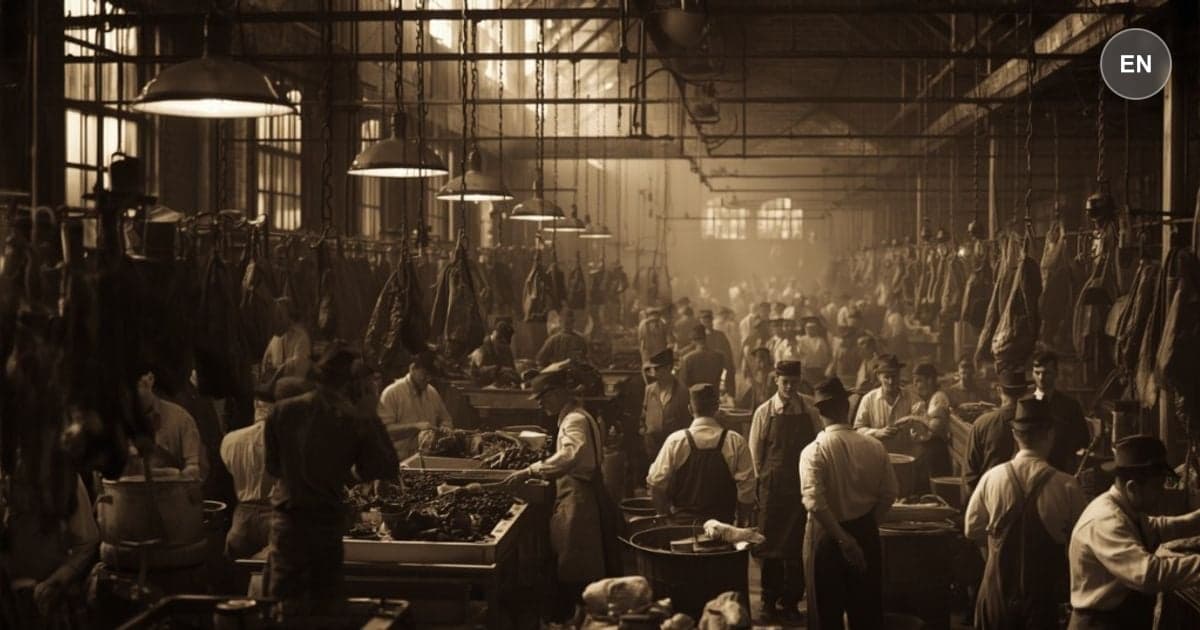
The Jungle
Reading Graft as Everyday GovernmentStay with Duane's cell and chapter 25: votes, inspectors, and a city that prices justice.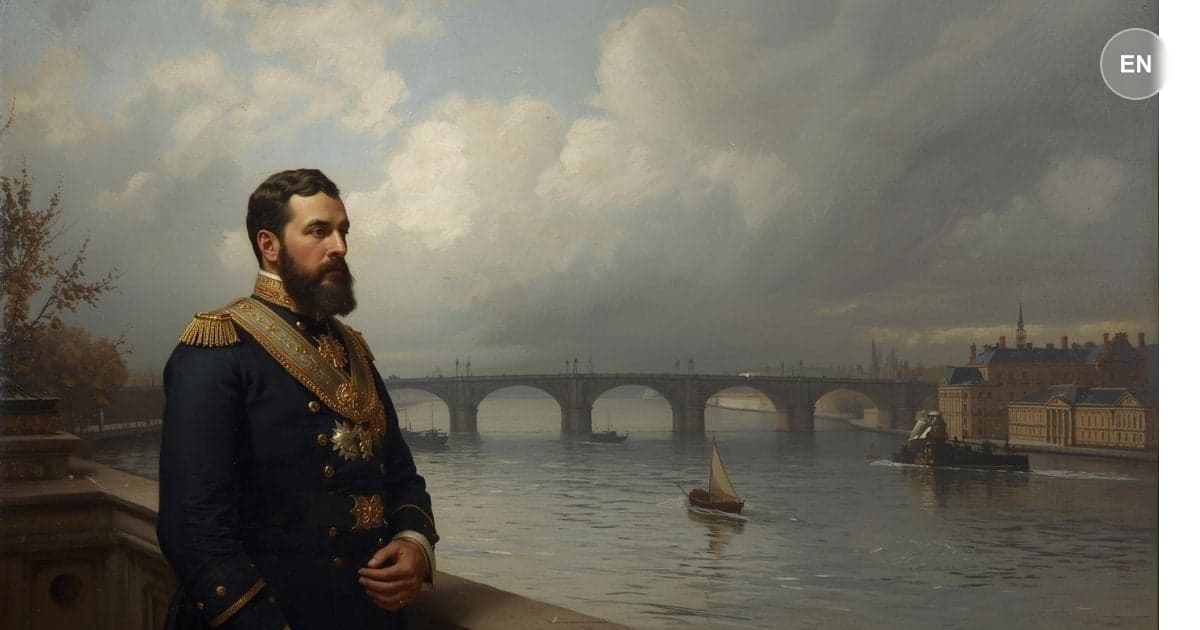
The Idiot
Maintaining Goodness Without NaivetySit with Myshkin on the train in chapter 1: honesty with no angle, and a city that can only call it idiocy.
Where the lesson lives in the book
Gravitation and Germination
Sue plans a grand day. Jude chooses Wardour Castle for classical art rather than Gothic ruins. The excursion already knows what it is: two people stepping off the script the training school and the cousin story were supposed to keep intact. Hardy names the jurisdiction they are trying to live in: outside all laws except gravitation and germination.
Key Insight:
Sanction often fails quietly, as a day that looks like culture. The later scandal is only the town catching up to a line they had already crossed in private. A manifesto can begin as an afternoon.
“Outside all laws except gravitation and germination.”
A Platform, Then a Town
Sue writes Jude to meet her evening train from Shaston. He quits cathedral work, boards with a bag, and books them onward to Aldbrickham. They leave a marriage without yet having a name for what they are starting. Living without blessing begins as logistics: a ticket, a platform, a place nobody knows the story yet.
Key Insight:
The moral argument comes later. The first requirement is a room. If your principle cannot name where you will sleep tonight, it is still a speech. Principle that can buy a ticket is already a life, and a life can be evicted.
“I feel rather frightened, and therefore ask you to be sure you are on the Melchester platform to meet me.”
Permission They Will Not Spend
A year on, both divorces become absolute in papers nobody reads. Jude wants the legal cover. Sue still treats marriage as a trap that could kill the freedom they have. They have permission and will not use it. That is the novel's most modern beat: the form is available, and she bets the form is the original cage.
Key Insight:
Paper can make you respectable without making you safe. Refusal here is not coyness. It is a wager that the contract which already ruined two lives will ruin this one if they put their names on it. The wager will later meet a corpse.
“That the decree nisi in the case of Phillotson versus Phillotson and Fawley, pronounced six months ago, has just been made absolute.”
The Mask in the Registry
They try the registrar because a church feels more exposed. Little Father Time's face is the tragic mask of Melpomene in the room. They leave without marrying. The form they do not want still has the power to shame them for not taking it. Walking out does not return them to privacy. It returns them to gossip with a new fact.
Key Insight:
Refusal is not invisibility. The institution you will not join can still set the terms of how you are seen. A child who did not sign your manifesto becomes the face the clerk and the neighbours will remember.
“His face is like the tragic mask of Melpomene.”
When the Town Translates You
Neighbours turn private history into one vulgar story. Little Time brings home school cruelty. Work and housing disappear. Jude promises lodgings wherever they go, which is another way of saying they will not be allowed to stay. Social sanction is not an opinion. It is rent, wages, and a child's walk to school.
Key Insight:
You can be right about marriage law and still lose the rooms in which that rightness was supposed to be lived. A street that will not lease to you is enforcing a second statute. Map that statute before you call the arrangement freedom.
“We'll get nice lodgings, wherever we go. I shall be moving about probably getting a job here and a job there.”
Happiness Between Sadnesses
From that week they walk no more in Aldbrickham. For two and a half years Jude takes stonework wherever it appears. Arabella still hears him harping on Christminster, even in cakes. Hardy does not pretend the wandering was liberty. He shows how expensive the rent on principle becomes, and how real the companionship can still be between the evictions.
Key Insight:
Living outside the town's blessing can be genuine love. It can also become motion as a substitute for a home. If happiness only fits between sadnesses, the floor is already gone. Build the floor, or admit you are paying in miles.
“From that week Jude Fawley and Sue walked no more in the town of Aldbrickham.”