Master this chapter. Complete your experience
Purchase the complete book to access all chapters and support classic literature
As an Amazon Associate, we earn a small commission from qualifying purchases at no additional cost to you.
Available in paperback, hardcover, and e-book formats
Why This Matters
Connect literature to life
This chapter teaches how to recognize when you're choosing familiar surface activities to avoid deeper self-exploration.
Practice This Today
This week, notice when you automatically reach for your phone or turn on the TV—ask yourself what you might be avoiding exploring about yourself in that moment.
Now let's explore the literary elements.
Key Quotes & Analysis
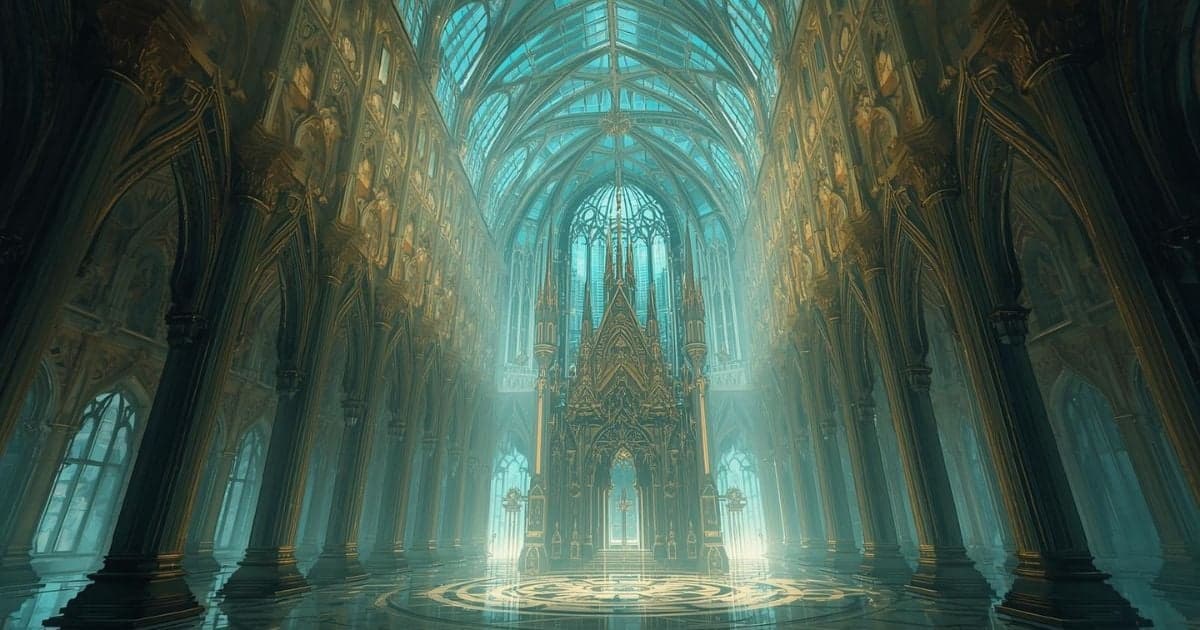
"I thought of the soul as resembling a castle, formed of a single diamond or a very transparent crystal, and containing many rooms"
Context: She's explaining the central metaphor that will guide the entire book
This image suggests that souls are both precious and transparent - valuable but also able to let light pass through. The many rooms imply there's always more to discover about ourselves.
In Today's Words:
Think of your inner self like a beautiful house with lots of rooms you've never explored
"It seems to me that many souls are like this: they live in the courtyard of the castle and never think of entering it"
Context: She's describing people who never turn inward for self-reflection
Teresa suggests most people live on the surface of their own lives, never exploring their deeper potential or connecting with their spiritual center.
In Today's Words:
Most people are strangers to themselves - they never take time to really figure out who they are inside
"The door of entry into this castle is prayer and meditation"
Context: She's explaining how to begin the spiritual journey
Prayer isn't just religious ritual for Teresa - it's the practical method for self-discovery and inner exploration. It's how you start the journey inward.
In Today's Words:
If you want to understand yourself better, you need to spend quiet time in reflection
Thematic Threads
Self-Knowledge
In This Chapter
Teresa argues most people know their bodies but remain strangers to their souls, living in the outer courtyard of their own potential
Development
Introduced here
In Your Life:
You might recognize this in how you know your daily routine but couldn't name what actually fulfills you.
Class
In This Chapter
Teresa democratizes spiritual wealth—everyone possesses an inner castle regardless of external circumstances
Development
Introduced here
In Your Life:
You might see this in assuming that deep reflection or personal growth is only for people with more education or money.
Distraction
In This Chapter
The 'reptiles' of worldly concerns keep souls circling the outer courtyard instead of venturing deeper
Development
Introduced here
In Your Life:
You might notice this in how you fill every quiet moment with screens or noise rather than sitting with your own thoughts.
Prayer
In This Chapter
Teresa distinguishes between mindless repetition and genuine conversation with the divine as the key to inner exploration
Development
Introduced here
In Your Life:
You might recognize this in the difference between going through motions versus having honest conversations with yourself about what matters.
Potential
In This Chapter
The crystal castle metaphor suggests everyone contains vast, unexplored richness within themselves
Development
Introduced here
In Your Life:
You might see this in talents or interests you've never pursued because they seemed impractical or impossible.
You now have the context. Time to form your own thoughts.
Discussion Questions
- 1
Teresa says most people live like strangers in their own homes, knowing they have souls but never exploring them. What does she mean by this, and how does she suggest we start exploring our inner 'castle'?
analysis • surface - 2
Why does Teresa compare souls without prayer to paralyzed bodies? What's the connection between self-reflection and being able to 'move' through life effectively?
analysis • medium - 3
Teresa describes 'reptiles' of worldly concerns that keep us in the outer courtyard. What are the modern 'reptiles' that prevent people from exploring their own potential and capabilities?
application • medium - 4
Think about someone you know who seems to really understand themselves versus someone who seems lost or reactive. What practical differences do you notice in how they handle challenges or make decisions?
application • deep - 5
Teresa suggests we possess vast inner resources but camp in the front yard of ourselves. What does this reveal about human nature and our tendency to settle for surface-level living?
reflection • deep
Critical Thinking Exercise
Map Your Inner Territory
Draw or list the 'rooms' of yourself that you know well versus those you've never explored. For example, you might know your work skills and family role, but never examined your creative abilities or what truly energizes you. Identify one unexplored 'room' and brainstorm three small ways you could investigate it this week.
Consider:
- •Consider both strengths and interests you've never developed
- •Notice which areas you avoid thinking about and why
- •Think about feedback others have given you that you've dismissed
Journaling Prompt
Write about a time when you discovered something unexpected about yourself. What prompted that discovery, and how did it change how you saw your capabilities or options?
Coming Up Next...
Chapter 2: The Soul's Journey from Darkness to Light
Having established the castle metaphor, Teresa will guide us into the first mansion, where souls begin their spiritual journey but still struggle with prayer and worldly attachments. She'll reveal what obstacles await newcomers to the spiritual life.