Wide Reads
Literature MattersLife IndexEducators
Sign in
Where to Begin

Two Fountains of Inner Peace — The Interior Castle

The Interior Castle - Two Fountains of Inner Peace

Saint Teresa of Ávila

The Interior Castle

Two Fountains of Inner Peace

Home›Books›The Interior Castle›Chapter 6: Two Fountains of Inner Peace
Previous
6 of 27
Next

Analysis by the Wide Reads editorial team·Reviewed against the source text·Updated December 1, 2025

Summary

Two Fountains of Inner Peace

The Interior Castle by Saint Teresa of Ávila

0:000:00
Listen to Next Chapter

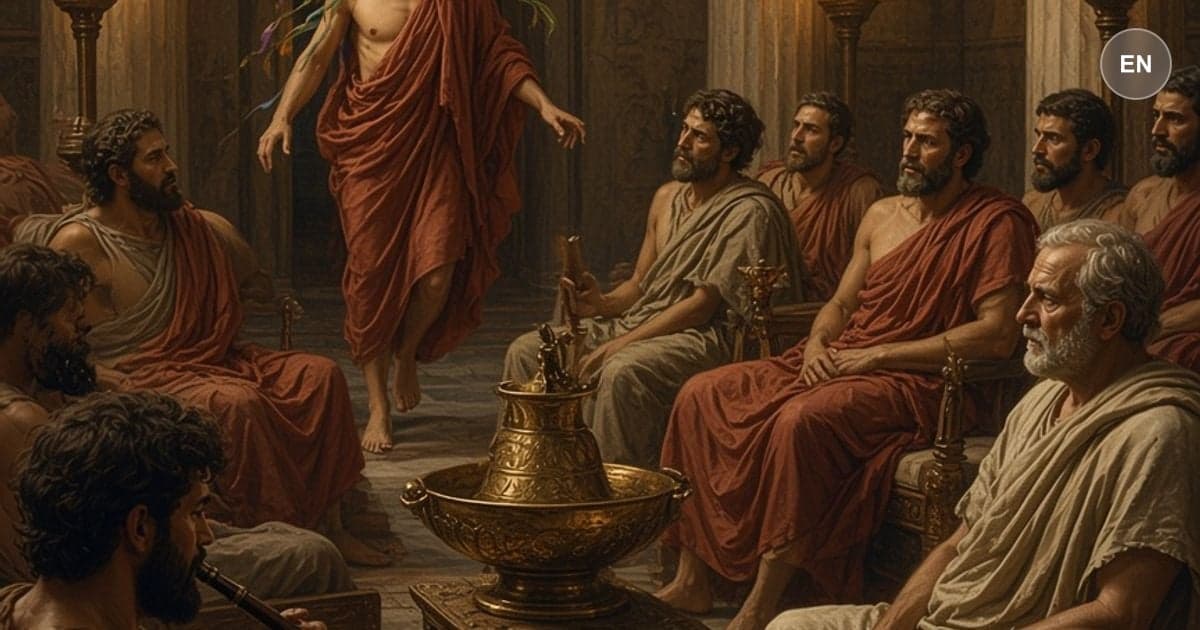
Still in the fourth mansions, Teresa apologizes for scattered writing, then distinguishes sensible devotion from divine consolations or the prayer of quiet. She compares two fountains: one filled through distant pipes and aqueducts, the other rising directly from the spring. Aqueduct water resembles devotion gained by meditation, labor, and our own effort, producing commotion yet profiting the soul.

Spring water signifies God granting supernatural peace, calm, and sweetness in inmost depths we cannot locate or explain. This joy does not strike the heart like earthly happiness; it begins deeper, dilates the soul, and gradually overflows through mansions, faculties, and even the body. Teresa pictures an interior brazier releasing fragrance the soul senses more than words can tell.

She believes the will unites with God's will here, and subsequent conduct proves authenticity. Daughters long to enter this state, yet Teresa warns against chasing consolations: love God without self-interest, accept that wretched services cannot earn so great a reward, prepare by desiring suffering and imitating Christ, remember God promised salvation through commandments not special favors, and know that some saints beg Him to withhold consolation. We labor in vain if the spring does not flow; humility, humility, for God lets Himself be vanquished by this and grants what we ask when we make no efforts to acquire them.

In this chapter: Terms Characters Key Quotes Themes Modern Story

Why This Matters

Connect literature to life

Skill: Distinguishing Effort from Gift

Peak peace often arrives when you stop manufacturing it through sheer willpower. Teresa's two fountains show that meditation can nourish the soul while divine consolation flows only when God opens the spring, not when you crank the aqueduct harder. This week, notice one moment you chased a feeling and one moment grace arrived unbidden.

Coming Up in Chapter 7

Next Teresa describes the prayer of recollection, where God gathers the scattered faculties inward like a shepherd calling lost sheep home before deeper consolations arrive.

Share it with friends

PreviousPrevious ChapterNextNext Chapter
Original text
1,951 wordscomplete

Chapter 06

Two Fountains of Inner Peace

CONTINUES THE SAME SUBJECT, EXPLAINING BY A COMPARISON IN WHAT DIVINE CONSOLATIONS CONSIST: AND HOW WE OUGHT TO TRY TO PREPARE OURSELVES TO RECEIVE THEM, WITHOUT ENDEAVOURING TO OBTAIN THEM. 1. Physical results of sensible devotion. 2. Effects of divine consolations. 3. The two fountains. 4. They symbolize two kinds of prayer. 5. Divine consolations shared by body and soul. 6. The incense within the soul. 7. Graces received in this prayer. 8. Such favours not to be sought after. 1. GOD help me! how I have wandered from my subject! I forget what I was speaking about, for my…

Public-domain chapter text, formatted for reading.

Master this chapter. Complete your experience

Purchase the complete book to access all chapters and support classic literature

Buy at Powell'sBuy on Amazon

Available in paperback, hardcover, and e-book formats

Now let's explore the literary elements.

Key Quotes & Analysis

"let us imagine we see two fountains with basins which fill with water."

— Teresa

Context: Introducing the central metaphor for two kinds of prayer

Visual comparison makes supernatural and natural devotion distinguishable.

In Today's Words:

Teresa asks us to picture two fountains filling basins in different ways. One needs pipes and machinery; one rises straight from the source. Use the image when you wonder whether peace came from effort or gift. Carry that insight into one concrete choice before the day ends.

"The water running through the aqueducts resembles sensible devotion, which is obtained by meditation."

— Teresa

Context: Explaining prayer earned through meditation

Effort-based devotion is valid but not identical to infused consolation.

In Today's Words:

Teresa says aqueduct water resembles sensible devotion gained by thinking, working, and meditating on created things. It helps the soul yet still depends on your labor. Honor the effort without calling it the spring. Carry that insight into one concrete choice before the day ends.

"This joy is not, like earthly happiness, at once felt by the heart; after gradually filling it to the brim, the delight overflows throughout all the mansions and faculties, until at last it reaches the body."

— Teresa

Context: Describing how divine consolation spreads through the soul

God's joy begins deeper than ordinary emotion and gradually overflows.

In Today's Words:

Teresa says this joy does not hit the heart immediately like earthly happiness. It starts in deeper ground and slowly fills faculties and even the body. Do not dismiss an experience because it was subtle at first. Carry that insight into one concrete choice before the day ends.

"humility, humility! for God lets Himself be vanquished by this and grants us all we ask."

— Teresa

Context: Counsel on receiving consolations without chasing them

Humility opens the soul; pride blocks the spring.

In Today's Words:

Teresa repeats humility because God yields to it and grants what we ask when pride would choke the spring. Make no efforts to acquire consolations; prepare by loving without self-interest. Let God decide when water flows. Carry that insight into one concrete choice before the day ends.

Thematic Threads

Effort vs Grace

In This Chapter

Teresa contrasts mechanical effort (the piped fountain) with effortless abundance (the natural spring)

Development

Introduced here as central teaching method

In Your Life:

You might recognize this in relationships where trying too hard pushes people away, while genuine care draws them closer.

Humility

In This Chapter

She advocates not thinking we deserve special treatment and focusing on serving others rather than seeking consolation

Development

Introduced here as key to receiving gifts

In Your Life:

You might see this when expecting praise for good work backfires, but helping without expectation brings unexpected recognition.

Class

In This Chapter

Teresa admits her poor memory and disconnected thoughts, making wisdom accessible rather than elite

Development

Introduced here through vulnerable self-disclosure

In Your Life:

You might feel your own 'imperfect' communication style disqualifies you from sharing valuable insights with others.

Acceptance

In This Chapter

She emphasizes we can live meaningful lives without extraordinary experiences, but they transform us when they come

Development

Introduced here as foundation for spiritual growth

In Your Life:

You might struggle with feeling like your ordinary life isn't enough compared to others' highlight reels on social media.

Inner Authority

In This Chapter

Teresa describes profound peace and solutions that come from within rather than external sources

Development

Introduced here as alternative to external validation

In Your Life:

You might notice your best decisions come during quiet moments rather than when you're frantically researching options.

You now have the context. Time to form your own thoughts.

Discussion Questions

This is not a test. Five prompts guide you through the chapter, from how it opens to how it closes, so you notice context and rhythm rather than facts to memorize. Sit with each question in your own words. When you see "One way to read it," treat it as a starting point, not the only answer.

  1. 1

    How do Teresa's two fountains clarify the difference between sensible devotion and divine consolations?

    ▶One way to read it

    Aqueduct water comes through our meditation and labor; spring water flows directly from God with quiet peace that dilates the whole soul.

    analysis • surface
  2. 2

    Why does Teresa say we should make no efforts to acquire consolations?

    ▶One way to read it

    Chasing them breeds self-interest and pride; God gives this water when He chooses, often when the soul is least striving to obtain it.

    analysis • medium
  3. 3

    When have you treated an inner experience like a score you had to repeat?

    ▶One way to read it

    Name the practice, the feeling you wanted back, and what you did when it did not return on demand.

    application • medium
  4. 4

    What does Teresa mean by the interior brazier releasing fragrance?

    ▶One way to read it

    The soul senses God's nearness as subtle warmth and sweetness deeper than physical sensation, beginning in the center and spreading outward.

    analysis • deep
  5. 5

    How could humility change your response when prayer feels dry this week?

    ▶One way to read it

    Stop grading the session; continue love and obedience, trusting dryness is not proof God has withdrawn.

    reflection • deep

Critical Thinking Exercise

10 minutes

Map Your Two Fountains

Draw two columns on paper. In the left column, list times when you've tried to force or chase something you wanted - a relationship, job opportunity, feeling better, or solving a problem. In the right column, list times when good things came naturally while you were focused on something else. Look for patterns in both columns.

Consider:

  • •Notice what your energy felt like in each situation - desperate and grasping versus calm and focused
  • •Consider what you were actually doing when the 'natural' good things happened
  • •Think about which approach led to more sustainable, lasting results

Journaling Prompt

Write about one area of your life where you've been using 'pipes and machinery' (forcing, strategizing, pushing) when you might benefit from the 'direct source' approach (focusing on process, serving others, letting results emerge). What would it look like to shift your approach?

Coming Up Next...

Chapter 7: The Shepherd's Call Within

Next Teresa describes the prayer of recollection, where God gathers the scattered faculties inward like a shepherd calling lost sheep home before deeper consolations arrive.

Continue to Chapter 7
Previous
When Your Mind Wanders During Prayer
Contents
Next
The Shepherd's Call Within
Keep exploring

Continue Exploring

Study guides, teaching tools, themes, and the full library.More ways to read The Interior Castle: study guides, teaching tools, and the wider library.

  • The Interior Castle Study Guide
  • Teaching Resources
  • Essential Life Index
  • Browse by Theme
  • All Books

What this chapter teaches

Theme analyses that draw on this chapter and apply it to modern life.

  • Maintaining Contemplative PracticeKey chapters in The Interior Castle on sustaining prayer and inner attention through distraction, dryness, and long spiritual plateaus.
  • Moving Beyond Surface Self-HelpKey chapters in The Interior Castle on why shallow fixes fail and how Teresa maps the inward work that reaches your deepest patterns.
  • Navigating Stages of GrowthExplore the key chapters in The Interior Castle that teach us to understand that personal development happens in stages, each with its own...
Identity & Self-DiscoveryMoral Dilemmas & Ethics

You Might Also Like

Dark Night of the Soul cover

Dark Night of the Soul

Saint John of the Cross

Explores personal growth

Jane Eyre cover

Jane Eyre

Charlotte Brontë

Explores personal growth

The Book of Job cover

The Book of Job

Anonymous

Explores personal growth

Ecclesiastes cover

Ecclesiastes

Qoheleth

Explores personal growth

Browse all 106+ books

Share This Chapter

Know someone who'd enjoy this? Spread the wisdom!

TwitterFacebookLinkedInEmail

Go further with Prestige

Unlock study guides and downloads, early access, and exclusive content — and support free access for everyone.

Subscribe to PrestigeCreate free account
Intelligence Amplifier
Intelligence Amplifier™Powering Wide Reads

Exploring human-AI collaboration through books, essays, and philosophical dialogues. Classic literature transformed into navigational maps for modern life.

2025 Books

→ The Amplified Human Spirit→ The Alarming Rise of Stupidity Amplified→ San Francisco: The AI Capital of the World
Visit intelligenceamplifier.org
hello@widereads.com

WideReads Originals

→ You Are Not Lost→ The Last Chapter First→ The Lit of Love→ Wealth and Poverty→ Wisdom for the Wounded
Arvintech
arvintechAmplify your Mind
Visit at arvintech.com

Navigate

  • Home
  • Library
  • Essential Life Index
  • How It Works
  • Subscribe
  • Account
  • About
  • Contact
  • Authors
  • Suggest a Book
  • Landings

Made For You

  • Trending
  • Students
  • Educators
  • Families
  • Readers
  • Literary Analysis
  • Finding Purpose
  • Letting Go
  • Recovering from a Breakup
  • Corruption
  • Gaslighting in the Classics

Newsletter

Weekly insights from the classics. Amplify Your Mind.

Legal

  • Privacy Policy
  • Terms of Service
  • Editorial Standards
  • Cookie Policy
  • Accessibility

Why Public Domain?

We focus on public domain classics because these timeless works belong to everyone. No paywalls, no restrictions—just wisdom that has stood the test of centuries, freely accessible to all readers.

Public domain books have shaped humanity's understanding of love, justice, ambition, and the human condition. By amplifying these works, we help preserve and share literature that truly belongs to the world.

A Pilgrimage

Powell's City of Books

Portland, Oregon

If you ever find yourself in Portland, walk to the corner of Burnside and 10th. The building takes up an entire city block. Inside is over a million books, new and used on the same shelf, organized by color-coded rooms with names like the Rose Room and the Pearl Room. You can lose an afternoon. You can lose a weekend. You will find a book you have been looking for your whole life, and three you did not know existed.

It is a pilgrimage. We cannot find a bookstore like it anywhere on earth. If you read the classics, and you ever get the chance, go. It belongs on every reader's bucket list.

Visit powells.com

We are not in any way affiliated with Powell's. We are just a very big fan.

© 2026 Wide Reads™. All Rights Reserved.

Intelligence Amplifier™ and Wide Reads™ are proprietary trademarks of Arvin Lioanag.

Copyright Protection: All original content, analyses, discussion questions, pedagogical frameworks, and methodology are protected by U.S. and international copyright law. Unauthorized reproduction, distribution, web scraping, or use for AI training is strictly prohibited. See our Copyright Notice for details.

Disclaimer: The information provided on this website is for general informational and educational purposes only and does not constitute professional, legal, financial, or technical advice. While we strive to ensure accuracy and relevance, we make no warranties regarding completeness, reliability, or suitability. Any reliance on such information is at your own risk. We are not liable for any losses or damages arising from use of this site. By using this site, you agree to these terms.