

Pavel's cuffs, Anna's rails, and Bazarov's sneer are not three different characters. They are one piece of furniture: a room arranged so that feeling cannot get a chair. Each of them has a reason. A princess taught Pavel that passion is an axe. Ruin taught Anna that chaos has a bill. Bazarov was trained to treat emotion as a costume other people wear. The protections are intelligent. They also work too well.
Turgenev is careful not to punish the armor as a moral failing. He lets you feel why it was built. Then he shows the bill. Pavel will never be reached that way again, and will never quite live. Anna will keep her timetable and remain intact. Bazarov will mock sentiment in the same weeks he cannot sleep. The cruelest fact is that the armor can sit on top of real feeling. You can be moved and still choose the closed door.
The book also shows the rare hours when the coat slips. Fenichka does not trigger the category system, so kindness happens without a theory. Katya does not require Arkady's borrowed certainty, so the performance goes quiet. Those scenes are not sermons about vulnerability. They are measurements. They tell you what the rest of the novel is costing by briefly removing the cost.
The Central Lesson
Armor is usually intelligence with a scar. Turgenev will not let you sneer at Pavel's coat, Anna's rails, or Bazarov's contempt until you have seen what they were built to survive. He also will not let you call the protection a life. A closed door works. It also keeps out the hours in which you might be simply human: a kindness that needs no theory, a bench that needs no doctrine, a feeling that will not sit still for a category. The question is not whether you need a coat. It is whether you still know how to take it off in one room, with one person, before the furniture becomes the only occupant.
Applying This to Your Life
Name the Furniture
Pick one habit that looks like taste, discipline, or humor and ask what it keeps out. A schedule, a sarcasm, a perfect appearance. If the answer is a feeling you do not want witnessed, you have found the coat.
Do Not Confuse Intact with Open
You can be composed, kind, and still unavailable. Anna is the portrait. After a hard closeness, notice whether you return to rails because you are wise or because you are unwilling to let a day be rewritten.
Use the Unguarded Hour as Evidence
Notice who you are with the person who does not trigger your defenses. That is data about the self the armor is hiding. You do not have to disarm everywhere. You do have to stop calling the fortress your entire personality.
Other lessons in this book
More life-skill deep dives from the same classic.
When Love Refuses Your Terms
Stay for the morning after the confession, when Anna will not leave her régime for a man who calls love a disease.
6 chapters·Explore AnalysisNavigating the Generation Gap
Watch Nikolai wait at the posting-house, then hear that his song has been sung, and stay in the room anyway.
7 chapters·Explore AnalysisOutgrowing Your Teacher
Sit under the ash tree with Arkady and Katya, and watch a borrowed voice finally go quiet.
6 chapters·Explore AnalysisDisagreeing Without Contempt
Follow the breakfast fight to the duel, and notice the one talk that is not a score.
6 chapters·Explore AnalysisWhen Your Certainties Aren't Enough
Name the night in Anna's boudoir when science has no instrument for what Bazarov wants.
7 chapters·Explore Analysis
Continue exploring
The same lessons in other books
See how other books teach the same life skills.
Hamlet
Distinguishing Truth from DeceptionTest a ghost, a play within a play, and a story that only Horatio will carry out.Hamlet
Paralysis in Decision-MakingWatch the ghost's charge, the play that proves the king, and the prayer Hamlet will not interrupt.
King Lear
Recognizing Flattery vs LoyaltyWatch the love test, Kent's exile, and the Fool's crab line show a speech that buys land and a silence that tells the truth.
Where the lesson lives in the book
The Wound the Elegance Is For
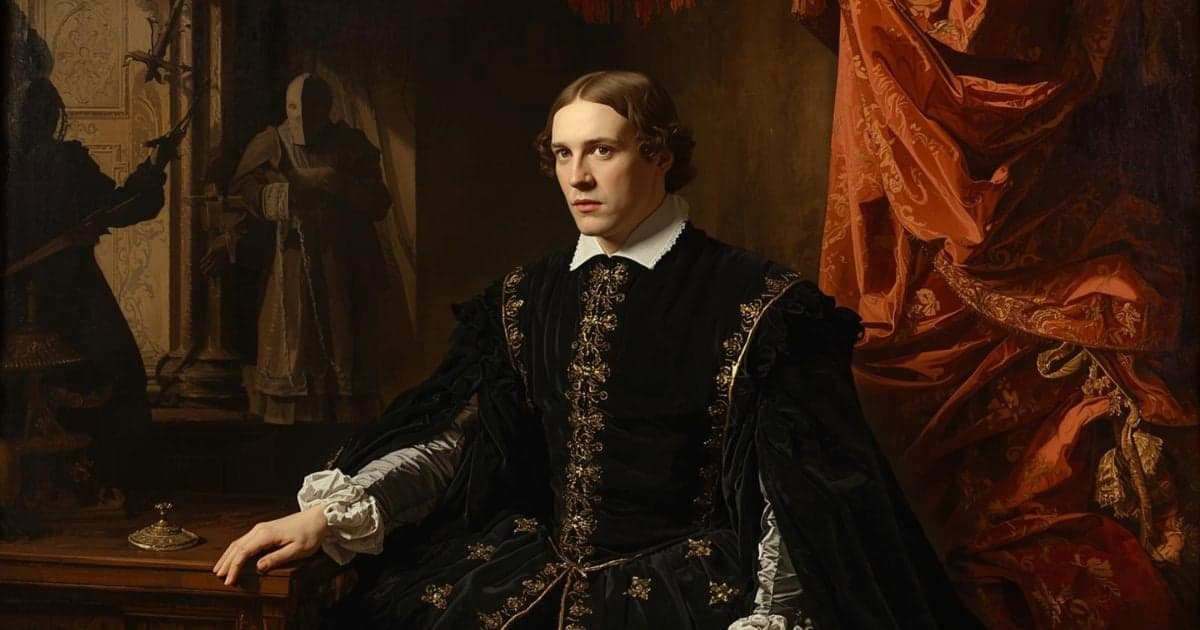
Arkady tells Bazarov the story. Pavel was Fate in a uniform until a married princess made a riddle of him. He followed her across Europe. When the oscillation ended, something closed. He came home immaculate, principled, and unavailable. The coat is not taste. It is a door that learned to stay shut.
Key Insight:
Complete self-protection works. Pavel is not hurt that way again. He is also not fully alive again. If you meet someone whose style is a fortress, do not argue with the wallpaper. Ask what the fortress was built to keep out.
“Women went nearly mad over him, while men called him Fate, and secretly detested him.”
Order as a Chosen Climate
Anna has organised a widowhood around composure. The estate runs like a clock. She is intelligent enough to know what she is doing. After a marriage of calculation and the chaos of ruin, she has priced vulnerability and declined it. She is not cold. She is defended.
Key Insight:
Composure can be a strategy, not an absence. Anna is drawn to Bazarov because he disturbs the timetable, and she retreats because the disturbance would rewrite the day. The armor holds. She remains intact. Intact is not the same as open.
“Now let us see to what category of mortals to assign this young person.”
Cynicism Built in Real Time
On her estate Bazarov talks rot about romance while the thing he is mocking is already in him. The remarks are for Arkady and for himself. He is constructing, line by line, the argument that will let him dismiss what he cannot stop. The sneer is not a conclusion. It is a shield still being riveted.
Key Insight:
A highly developed case against feeling is usually autobiographical. Watch for the person who is most disdainful of a thing. That is often where they are most exposed. Contempt here is not insight. It is a request that the feeling not be counted.
“Somehow it reminds one of running on a pair of rails.”
The Night She Chooses Safety
After the confession Anna is moved and frightened. By morning the disturbance has been priced again. She gives him nothing to argue with and nowhere to put the feeling. Graciousness reasserts itself. He is left holding an experience that the house will not acknowledge happened.
Key Insight:
Armor can coexist with genuine feeling. Anna is not faking indifference. She has decided that comfort matters more than whatever might follow if she let the feeling through. Turgenev does not sermonize. He shows the face of the choice, and what both people pay.
“Somehow her face looked pale, and it was not long before she returned to her boudoir.”
The One Room the Armor Misses
With Fenichka, who asks nothing of his mind, Bazarov is simply kind. He talks without a theory to defend. He is fond of children and would never confess to it. The defenses were calibrated against intellectuals, aristocrats, and romance. She fits none of the triggers. The unguarded hour shows the cost of the rest.
Key Insight:
Everyone has someone with whom the armor does not quite engage, usually a person who is not in the category you decided to be defended against. Those hours are evidence. They show who you are when there is nothing to win and nothing to hide.
“It is clear that we shall never understand one another.”
Disarmament Without a Fight
Under the ash tree Arkady's face is staider. Katya is less retiring. Fifi lies in the hare's crouch. No doctrine is required. The bravado that Bazarov's friendship kept in costume simply becomes unnecessary. She does not defeat his ideas. She does not need them.
Key Insight:
Armor rarely comes down under challenge. Challenge often thickens it. It comes down in a relationship where there is nothing to defend. If you have been armed for years, look for the room that does not require a performance. That is usually the door, not the debate.
“In the shade of a tall ash tree in the garden at Nikolsköe Katia and Arkady were seated on a bench.”